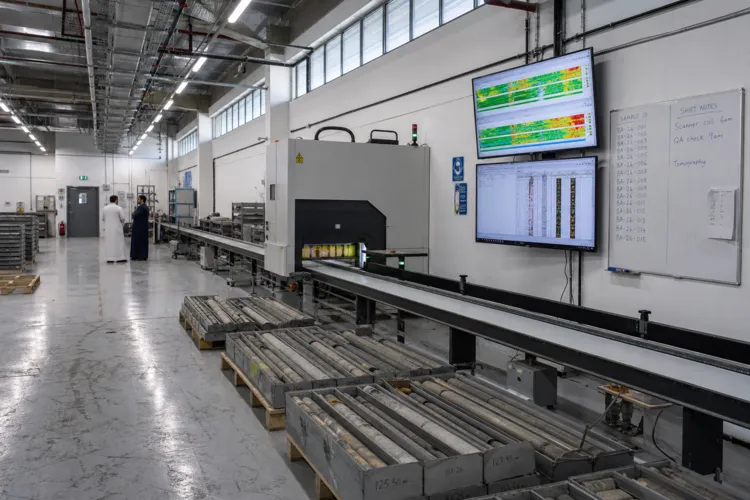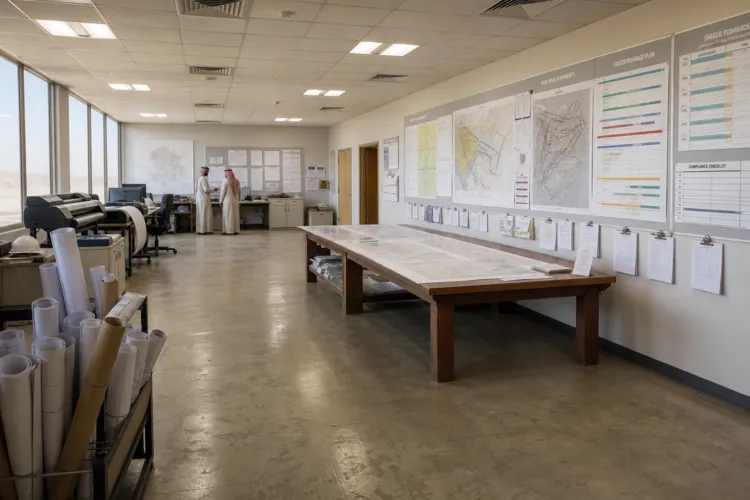
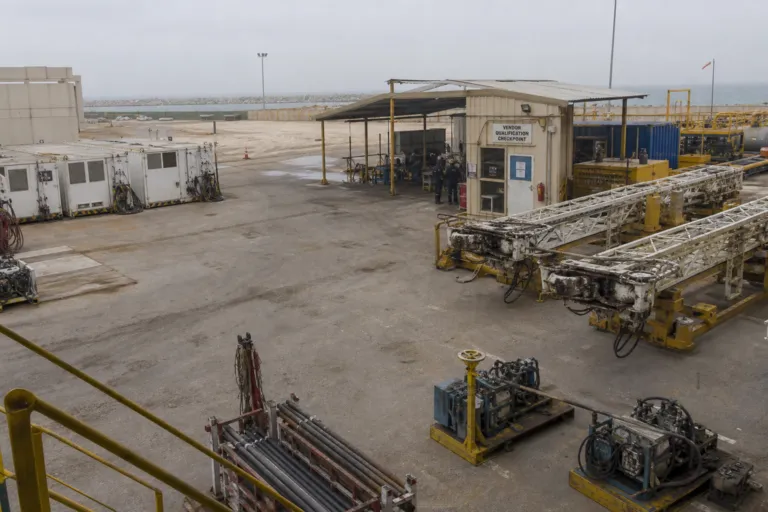
Saudi Arabia’s exploration and drilling push is not just about adding more wells. It is also about having the right rigs, the right specifications, and the right contractors ready to mobilize. Mordor Intelligence expects the Saudi Arabia drilling rigs market to grow from USD 4.72 billion in 2025 to USD 4.94 billion in 2026, and it forecasts USD 6.23 billion by 2031 at a 4.74% CAGR over 2026–2031. That kind of trajectory increases the operational need for rigs that can deliver consistent data and efficient drilling execution. In practice, that elevates the role of core-drilling contractors in Saudi Arabia, especially as operators balance new activity with tighter qualification requirements.
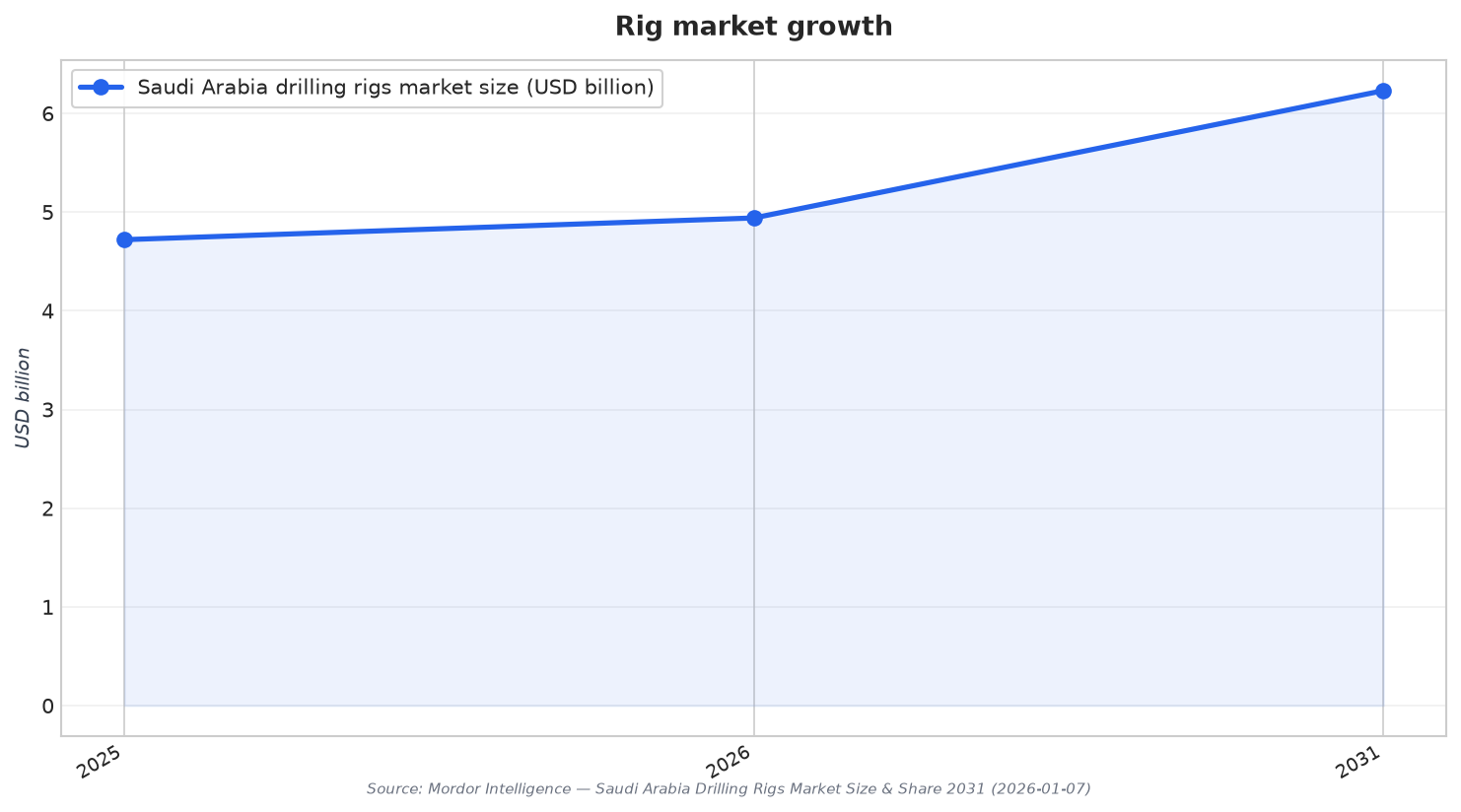
Fleet composition and modernization also shape how fast drilling programs can scale. Mordor Intelligence notes that as of 2024, approximately 40% of Saudi Arabia’s drilling rig fleet consists of high-speed 2,000 hp–3,000 hp rigs, highlighting the emphasis on high-performance equipment. At the same time, the market is shifting toward multi-well pad drilling and efficiency measures, with modern rigs adding automation and real-time monitoring. ARO Drilling’s deployment of IFS Applications software across its fleet of 16 drilling rigs in 2023 is one example of the operational focus on asset lifecycle management and business intelligence. These upgrades matter because core data collection and drilling performance both depend on uptime, repeatability, and control systems that can handle demanding conditions.
Localization Rules and High-Spec Drilling Raise the Bar
Scaling capacity is also a procurement and compliance challenge. MarkWide Research describes procurement channels fragmenting as localization mandates reshape vendor qualification, while Saudi Aramco’s in-kingdom total value add requirements influence sourcing and local workforce ratios for drilling contractors. It also highlights a technical baseline for drilling services, including rotary table or top-drive systems generating torque exceeding 50,000 ft-lbs, and downhole pressures in formations exceeding 300°F, with typical depth ranges from 5,000 to 20,000 feet. Directional drilling and managed pressure drilling become more valuable in complex zones, including high-pressure sour gas areas and extended-reach laterals in the Jafurah unconventional field. For contractors, that means scaling is not only adding rigs; it is ensuring rigs, crews, and digital tooling meet these tighter operational thresholds.
Offshore expansion adds another layer of urgency, and it can pull equipment and talent away from other drilling needs. Bonafide Research forecasts Saudi Arabia’s offshore drilling market is expected to reach more than USD 6.41 billion by 2029, with the Red Sea positioned as a key frontier for offshore development. Mordor Intelligence points to domestic manufacturing progress, citing International Maritime Industries’ contracts to construct two LETOURNEAU Super 116E Class offshore jack-up drilling rigs. It also notes ongoing operations at Safaniya, described as the world’s largest offshore conventional oil field, with a production capacity of 1–1.5 million barrels of heavy crude oil per day. As offshore schedules evolve, contractors that can localize supply chains and maintain reliable delivery at scale become more critical, even when activity cycles shift.
Rig demand in Saudi Arabia is also influenced by non-oil drivers that still require drilling and subsurface characterization. A 2025 drilling rigs market forecast summary notes that megaprojects such as NEOM, the Red Sea Project, and Qiddiya require extensive geotechnical studies, which drives demand for drilling rigs under Vision 2030. In parallel, Mordor Intelligence emphasizes that many Saudi onshore rigs continue to use SCR (Silicon Controlled Rectifier) systems, described as well-suited to hot and dry climate conditions, while automation and real-time monitoring gain traction. Put together, these forces make scaling a discipline: capacity growth must align with technology upgrades, local compliance, and rapid mobilization—exactly where specialized contractors can differentiate.
Why does Saudi Arabia’s exploration push increase pressure on drilling capacity?
What does the current rig fleet mix suggest about the equipment Saudi programs prefer?
How are localization requirements changing contractor selection in Saudi Arabia?
What offshore developments are linked to fleet scaling in Saudi Arabia?
What should buyers look for when choosing core-drilling contractors in Saudi Arabia?