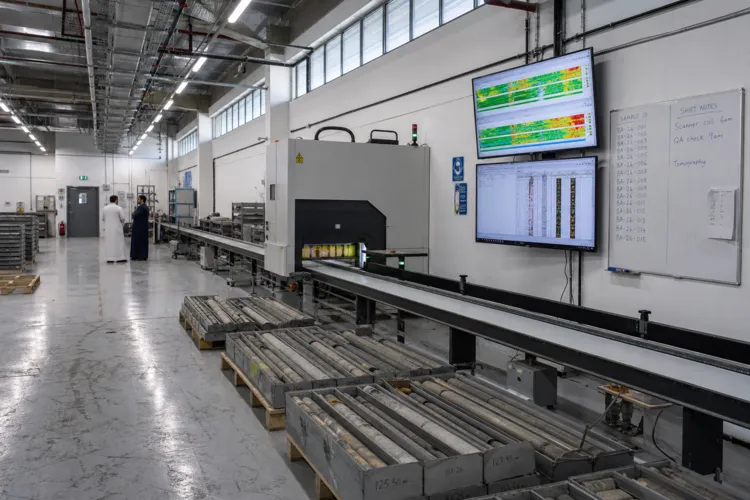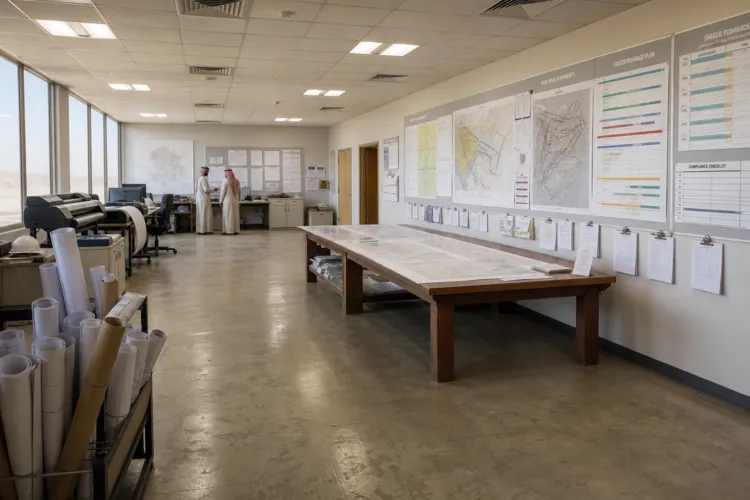
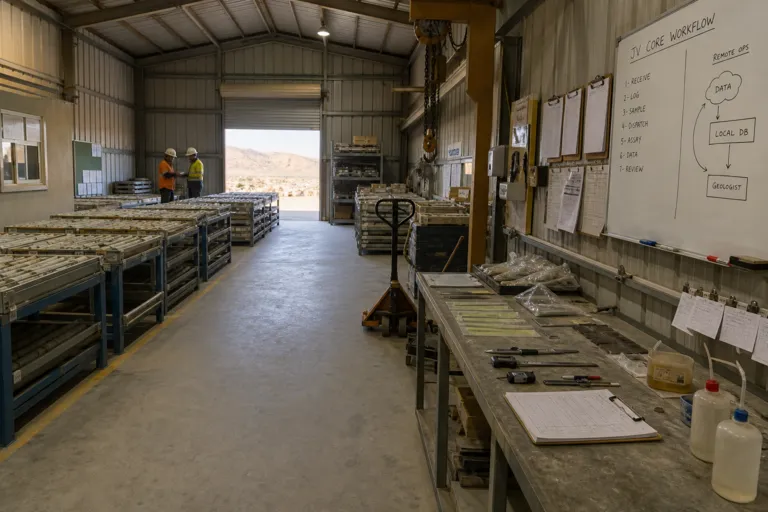
Talk of a “mining bridge” between Saudi Arabia and Australia is increasingly framed as a collaboration model built on capability transfer, not a simple one-way flow of raw materials. Commentary on the Saudi-Australia mining partnership highlights exploration licenses in Saudi Arabia that aim to bring in foreign expertise and investment, alongside Australian strengths in operational excellence and mine-planning technology. The emphasis is repeatedly described as knowledge transfer, sustainable mining practices, and long-term capacity building. For Australian participants, the narrative is also tied to reducing market dependency risks, including Australia’s heavy reliance on iron ore exports primarily to China.
In practice, the deal structures most often discussed map well to how junior mining works. A junior-mining whitepaper describes common pathways such as arrangements with major miners that trade partial ownership for capital and technical de-risking, as well as corporate-level takeovers that crystallize value through M&A. The same source frames Canada and Australia as the most favorable jurisdictions, citing stable regulation, deep capital markets, and high geological prospectivity. When that deal logic is applied to Saudi opportunities, it suggests a playbook where juniors can contribute early-stage upside and technical focus, while larger partners contribute balance-sheet strength, operating systems, and execution discipline.
Junior-Miner Deals, Technology Transfer, and Talent Pipelines
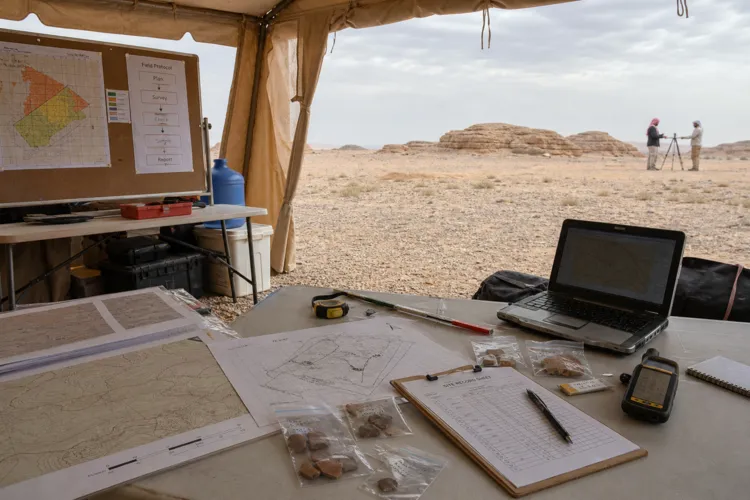
Several collaboration formats are explicitly put forward for Saudi-focused engagement. These include exploration joint ventures with shared geological risk and development costs, technology transfer agreements with licensing and training components, equipment supply contracts with maintenance and operational support, workforce development programs combining Australian expertise with Saudi talent, and research and development collaborations between universities and industry. The strategic rationale is framed as complementarity: Saudi Arabia seeks to build new industries as part of a broader economic transformation, while Australian mining participants bring systems, planning methods, and execution experience that can be adapted through structured training and on-the-ground support.
Technology is a central link in this bridge, especially for juniors trying to do more with less. The junior-mining whitepaper notes that today’s mining sector employs sophisticated techniques including remote operations, AI, and sustainable practices, with particular emphasis on advanced exploration methods. It also states that junior miners increasingly have adopted AI and analytics to address constraints such as limited budgets, data scarcity, and elevated risk profiles, aiming to maximize exploration efficiency and improve discovery success rates with constrained resources. These themes align with the partnership narrative that stresses implementation of technology transfer programs as a major success factor.
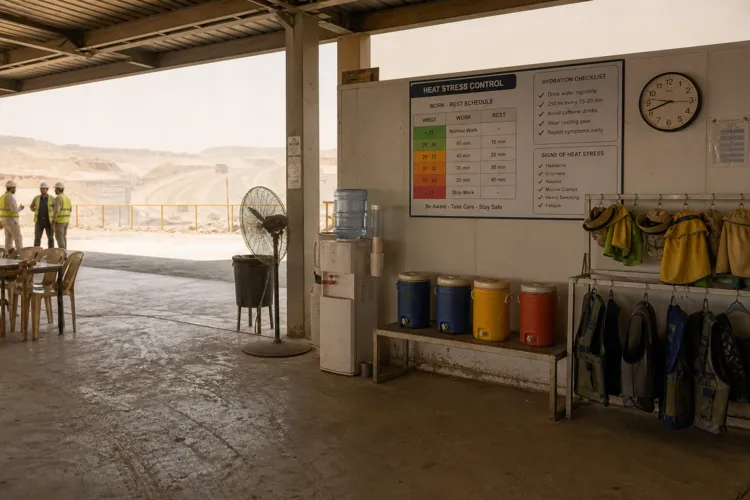
Broader market context helps explain why both sides keep returning to “critical minerals” and the energy transition, even when the immediate work is exploration, services, and skills. A global mining market report projects the mining market will grow to $2760.12 billion in 2030 at a CAGR of 6.3%, and attributes forecast growth drivers to factors including increasing demand for critical minerals, rising adoption of low-emission mining practices, and growing focus on worker safety technologies. Within that backdrop, the Saudi Arabia Australia mining partnership is frequently positioned as a model for long-term cooperation—where deal-making, technology, and talent transfer are designed to build durable operating capability rather than a short-term export channel.
What is the Saudi Arabia Australia mining partnership trying to achieve beyond resource extraction?
What types of deals are commonly discussed for Saudi-focused mining collaboration?
How do junior-miner deal pathways fit into cross-border mining bridges?
What technologies are highlighted as important for juniors and modern mining operations?
What global mining growth outlook is cited in the sources?