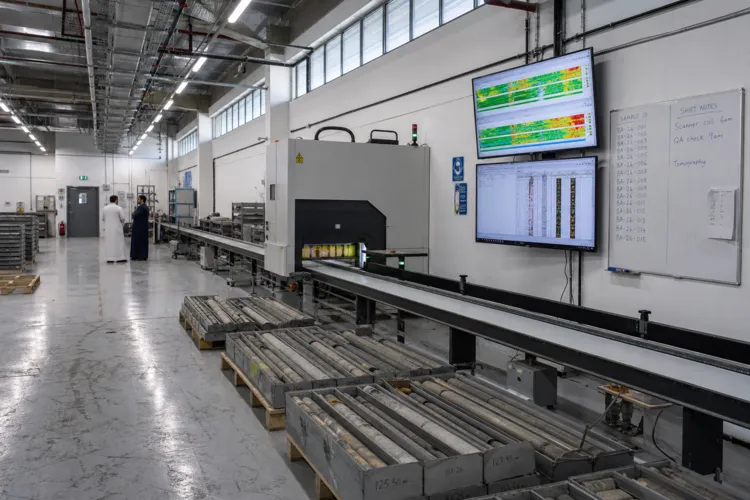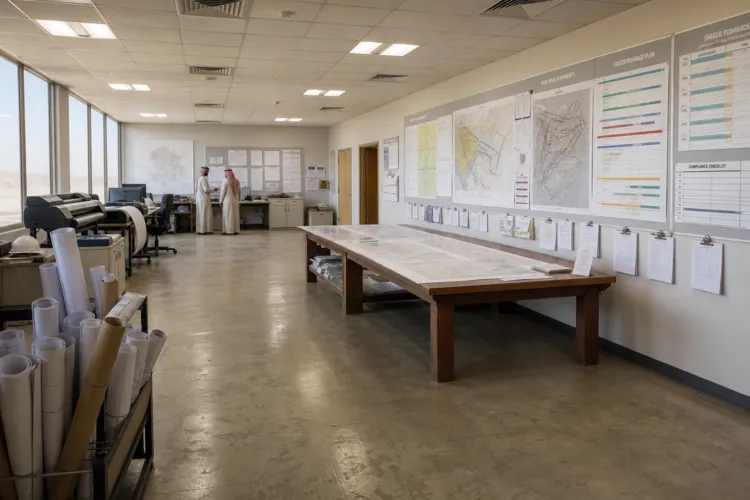
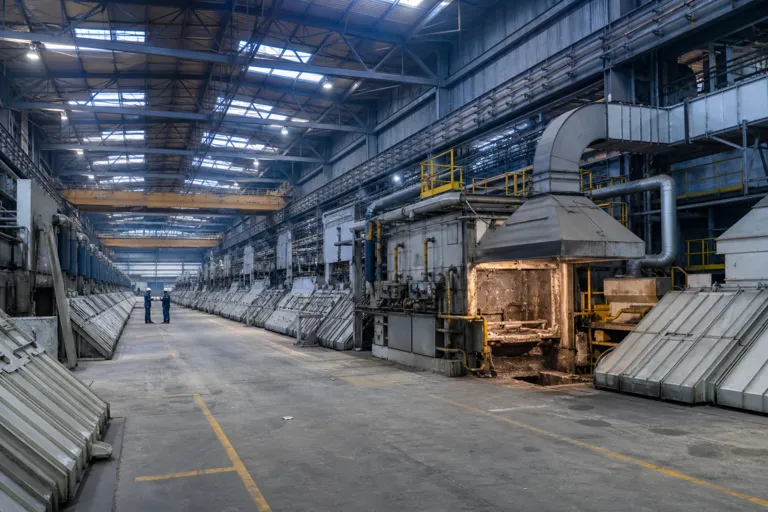
Primary aluminium smelting is responsible for approximately 1.1 Gt CO2 equivalent per year globally, and the dominant Hall–Héroult process has unavoidable direct emissions because carbon anodes oxidize to CO2 during electrolysis. The same process also has high electricity demand, cited at approximately 13–15 MWh per tonne of aluminium, so decarbonisation requires changes to both process emissions and power. In Saudi Arabia, the flagship industrial footprint is Ma’aden’s Ras Al-Khair chain, linking a 4 million tonne-per-year bauxite mine to a 1.8 million tonne alumina refinery, a 740,000 tonne-per-year primary aluminium smelter, and a 380,000 tonne flat-rolled mill on a single site. Since first metal in 2013, total invested capital across this value chain has run above USD 10.8 billion.
Ownership and scale matter because they shape how quickly a smelter can coordinate upgrades across mining, refining, and electrolysis. Ma’aden’s full buyout of Alcoa’s minority stake closed on 1 July 2025, consolidating the assets under 100 percent Saudi ownership for the first time. A separate market report also states Saudi Arabia is advancing its Ras Al Khair aluminium complex, targeting 1.8 million metric tons per year of output by 2030, a trajectory that would intensify requirements for a dedicated anode supply chain infrastructure. That creates a practical link between today’s pre-baked carbon anode reality and tomorrow’s low-carbon options, because anode choice directly affects process CO2 inside the potline.
Inert Anodes vs CCS: Two Different Levers for Potline Emissions
Inert anodes are positioned as a direct solution to the Hall–Héroult process emission source. Instead of consuming carbon and releasing CO2, inert (non-consumable) anodes release O2, eliminating direct process CO2 emissions from aluminium electrolysis entirely. A 2018 study from Arizona State University cited in the technology landscape review identifies the combination of inert anodes with wettable cathodes as delivering the greatest simultaneous reduction in primary energy use, GHG emissions, and energy cost among electrolysis reform pathways it compared. However, timelines are contested in the sources: one report says inert anode technology is unlikely to displace conventional pre-baked anodes on a meaningful commercial scale before 2034, even as another notes ELYSIS has committed over USD 550 million with first industrial-scale deployment targeted for 2028 at the Alma smelter in Quebec.
Carbon capture is framed differently: it is a means to reduce process emissions from smelter potlines in addition to other methods such as fuel switching or electrification. The IAI/AFRY consolidated public report explicitly ties process emissions to carbon anode consumption in electrolysis cells, and it provides reference intensity figures for “Direct – Process CO2,” including PFC emissions at the smelter of about 0.8 tCO2e/tonne, process CO2 of about 1.6 tCO2e/tonne, and thermal energy emissions of 1.7 tCO2e/tonne. For a carbon capture aluminium smelter Saudi Arabia discussion, those figures are useful as a global benchmark for what capture would be trying to address, while inert anodes aim to remove the carbon-anode source altogether. The practical implication for Ras Al-Khair is sequencing: CCS can be layered onto existing cell technology, while inert anodes imply deeper changes to electrolysis infrastructure and to the anode supply chain logic described in capacity expansion plans.
The technology landscape sources also emphasize that decarbonisation is not one-dimensional. Patent and literature records spanning 2008–2023 map four clusters: electrolysis process reform, renewable electricity integration, hydrogen and CCUS deployment, and circular economy approaches through secondary smelting. Separately, the Ras Al-Khair overview underscores that electricity carbon intensity is a competitive differentiator precisely because aluminium is so power-intensive at roughly 13–15 MWh per tonne, and that the Kingdom’s advantage depends on credibly decarbonising its power supply. Put together, Saudi smelters face an integrated roadmap: cut direct potline CO2 with inert anodes or capture, reduce electricity-related emissions, and align investments with the site’s scale and timelines already in motion.
How does carbon capture apply to an aluminium smelter in Saudi Arabia?
What is the Ras Al-Khair aluminium complex capacity cited in the sources?
Why are inert anodes considered a breakthrough for low-carbon aluminium?
What do the sources say about inert anode commercialization timelines?
What emissions components are listed for direct process CO2 in aluminium smelting?