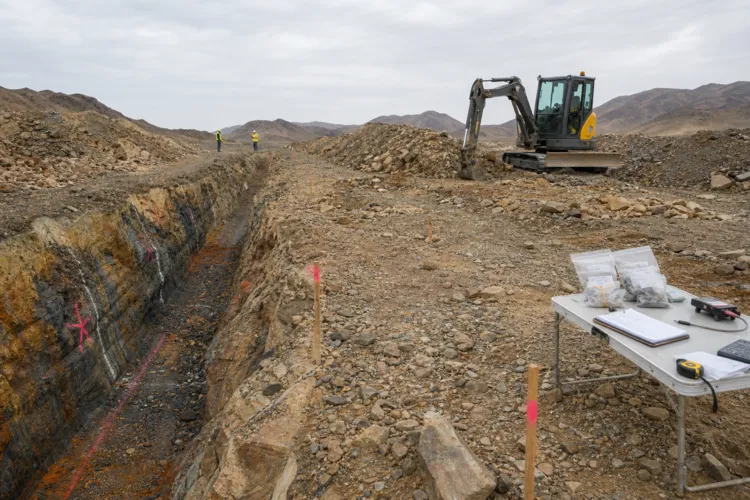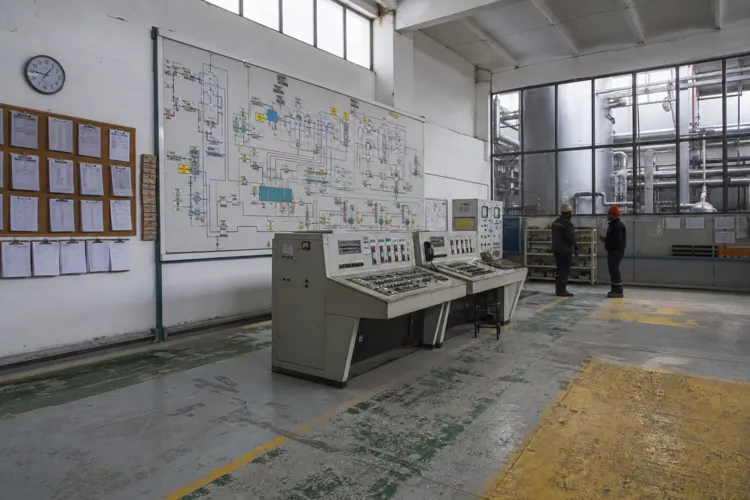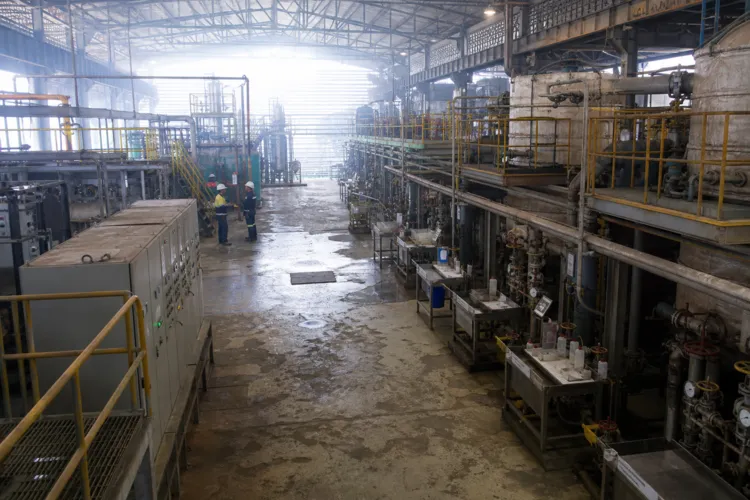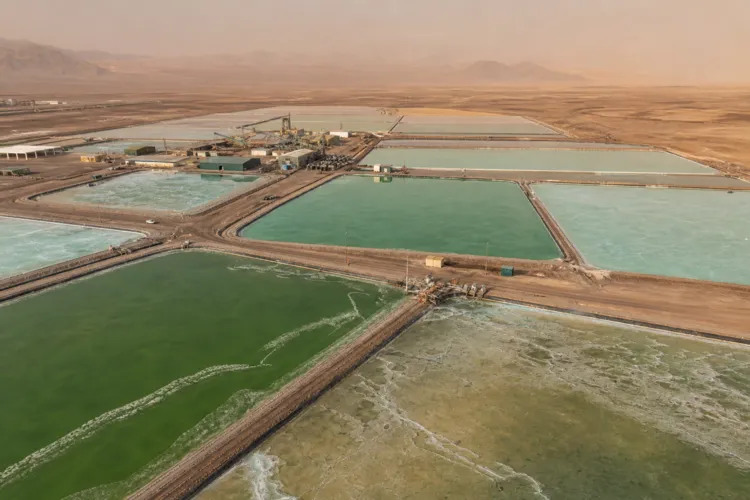
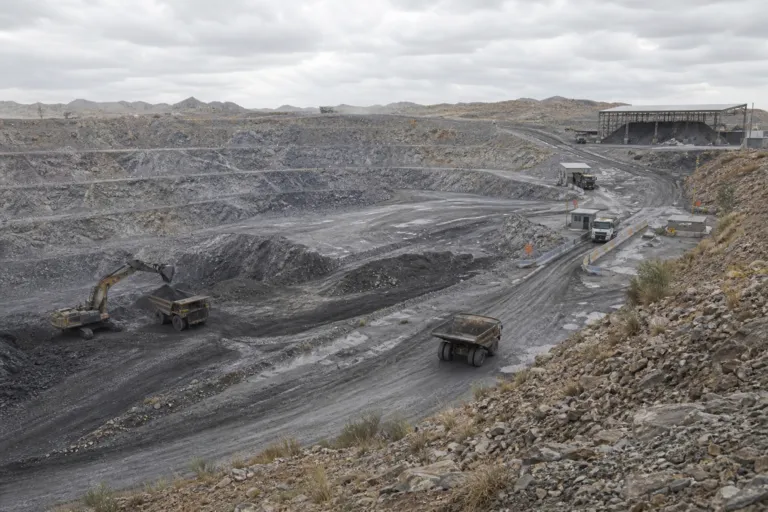
In Saudi Arabia, manganese rarely gets the spotlight that other industrial inputs do, yet it sits at the intersection of steelmaking, infrastructure buildout, and the battery conversation. A Ken Research assessment values the Saudi Arabia manganese mining market at USD 100 million, based on a five-year historical analysis, and frames the country as a notable importer within the broader Asia Pacific context while it develops its domestic mining sector. The same source ties demand to manganese use in steel production and battery manufacturing, and links momentum to strategic initiatives that support economic diversification beyond oil. It also points to infrastructure projects and the automotive sector as additional demand drivers that reinforce manganese’s place in the industrial landscape.
Execution depends on where industry and logistics connect. Ken Research highlights Riyadh, Dammam, and Jeddah as key industrial hubs associated with this market, citing their strategic locations and proximity to major industrial zones. It describes Riyadh as the capital and central business district, and notes Dammam and Jubail for port facilities and industrial infrastructure that can support transportation and logistics for mining and processing operations. For readers tracking manganese mining Saudi Arabia developments, these hubs matter because they shape how ore, concentrates, and manganese-bearing products can move between mining activity, processing routes, and end-users such as steel and battery-related value chains.
Policy, Product Mix, and Where Demand Actually Shows Up
Regulation is another overlooked lever. Ken Research cites the Mining Investment Law issued by the Ministry of Industry and Mineral Resources in 2020 as establishing a comprehensive framework for mineral exploration and extraction. It describes streamlined licensing, clear compliance requirements, and fiscal incentives aimed at sustainable mining practices, alongside operational standards, environmental management, and local content requirements. On the product side, the same source segments the market into high-grade, medium-grade, and low-grade manganese ore, plus manganese concentrate. It describes high-grade ore as the most sought-after due to demand in steel manufacturing, while concentrate is noted as gaining traction for broader industrial uses, including battery and chemical applications.
Trade and downstream alloys add another layer of evidence. IndexBox’s GCC-focused coverage reports that, in value terms, Saudi Arabia was among the largest ferro-manganese importing markets in the GCC at $8.4M, alongside the United Arab Emirates ($10M) and Oman ($2.4M), with these three accounting for a combined 92% share of total imports. The same GCC snapshot also reports a large price gap between low-carbon ferro-manganese at $1,777/ton import price and high-carbon ferro-manganese at $1,026/ton import price. Separately, IndexBox’s Saudi ferro-silico-manganese report uses placeholder values for market size and trade volumes, but it still signals that exports have recorded three consecutive years of growth in shipments abroad by 2025 and identifies the United Arab Emirates as the main destination.
Globally, the macro story helps explain why Saudi industry keeps watching manganese. Stratview Research estimates the global manganese market could reach USD 35.9 billion by 2026, and also states that around 90% of available manganese is utilized in steel production. Mordor Intelligence adds that alloys led with 68.42% of manganese market share in 2024, while electrolytic manganese dioxide is advancing at a 6.28% CAGR through 2030. The same source forecasts the Middle East and Africa manganese market to grow at a 5.94% CAGR to 2030, linking the region’s trajectory to South Africa’s logistics efforts and Saudi Arabia’s push for downstream investments, which collectively keep the alloy-and-battery narrative tightly connected.
What is the reported market value for manganese mining in Saudi Arabia?
Which Saudi cities are highlighted as key hubs connected to manganese activity?
How does the 2020 Mining Investment Law relate to manganese projects?
What does GCC trade data suggest about Saudi Arabia’s ferro-manganese imports?
What key end-uses drive interest in manganese for Saudi Arabia and globally?