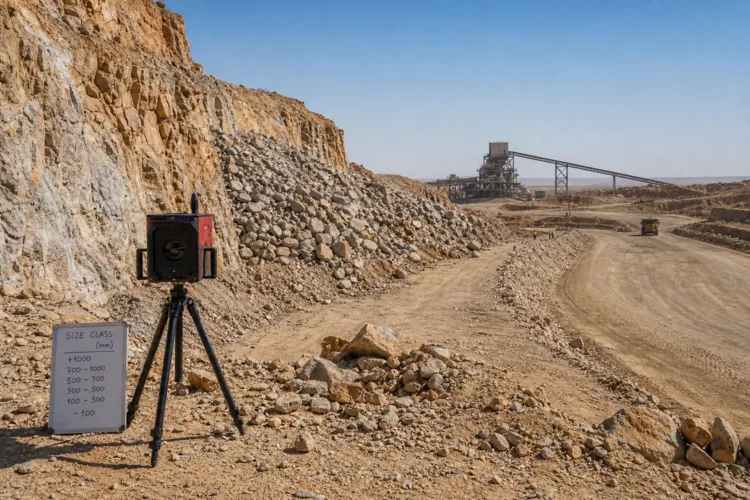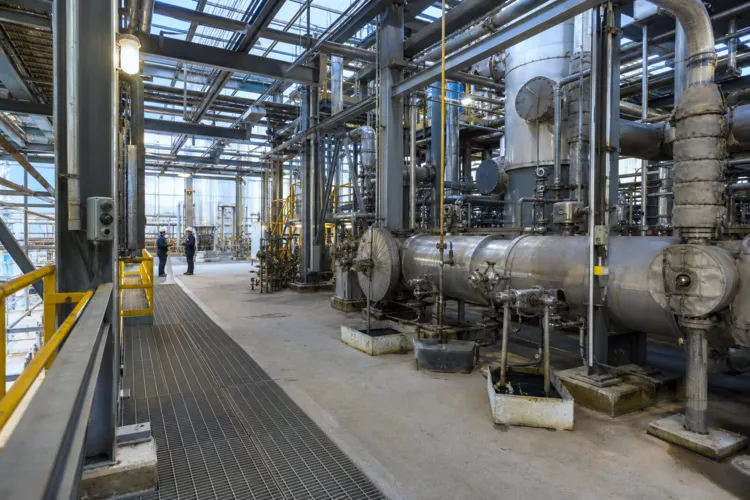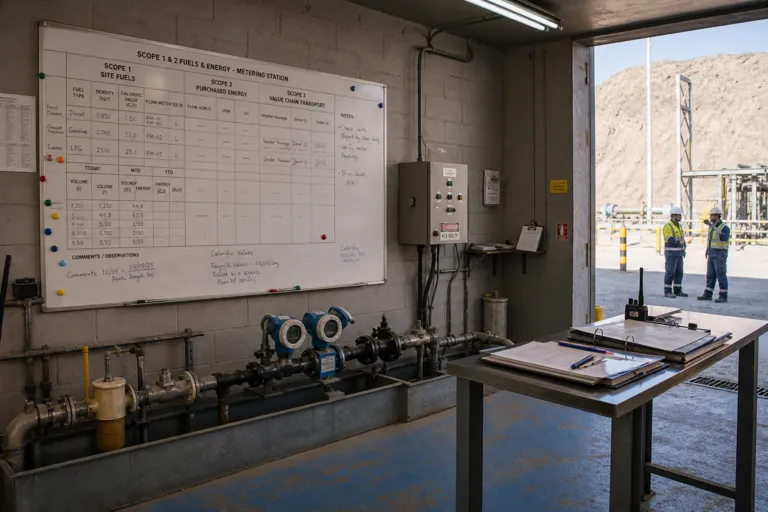
For Saudi mining companies, carbon accounting is moving from a side project to an operational discipline. Mining and metals are both an enabler of the energy transition and a source of emissions that stakeholders want to see measured and managed. Globally, the mining sector directly accounts for 4% to 7% of scope 1 and scope 2 emissions, and a McKinsey analysis cited in an industry overview found that up to 28% of global emissions are linked to the indirect impacts of mining operations. That context matters when leaders in Saudi Arabia plan how to structure greenhouse gas emissions reporting for mining, because the largest risks can sit outside the mine fence line.
A practical way to organize the inventory is to follow the GHG Protocol approach and split sources into Scope 1, 2, and 3. Scope 1 covers direct emissions from owned or controlled sources, such as diesel combustion in mining vehicles. Scope 2 covers indirect emissions from purchased or acquired electricity, steam, heat, or cooling. Scope 3 includes all other indirect emissions the organization influences across its value chain, such as the upstream production of fuels used in operations and downstream smelting, refining, and manufacturing that use the mined ore. In Saudi business guidance, carbon footprint measurement is framed explicitly as using the GHG Protocol methodology to quantify Scope 1, 2, and 3 across operations and the value chain.
Why Scope 3 Dominates Mining Disclosures
Mining companies often discover that Scope 3 outweighs everything else, which changes how they prioritize data collection. Using 2021 data for the top six global mining companies, one analysis aggregated disclosures and found that, on average, Scope 3 contributes more than 95% of total emissions. The same source notes that Scope 3 has been historically underreported, making completeness and supplier engagement critical. The Science Based Targets initiative recommends including Scope 3 in a net zero commitment when Scope 3 is more than 40% of total Scope 1, 2, and 3 emissions, a threshold that the mining sector frequently exceeds. For Saudi miners, this means reporting cannot stop at fuel and electricity; it must extend into procurement and customer pathways.
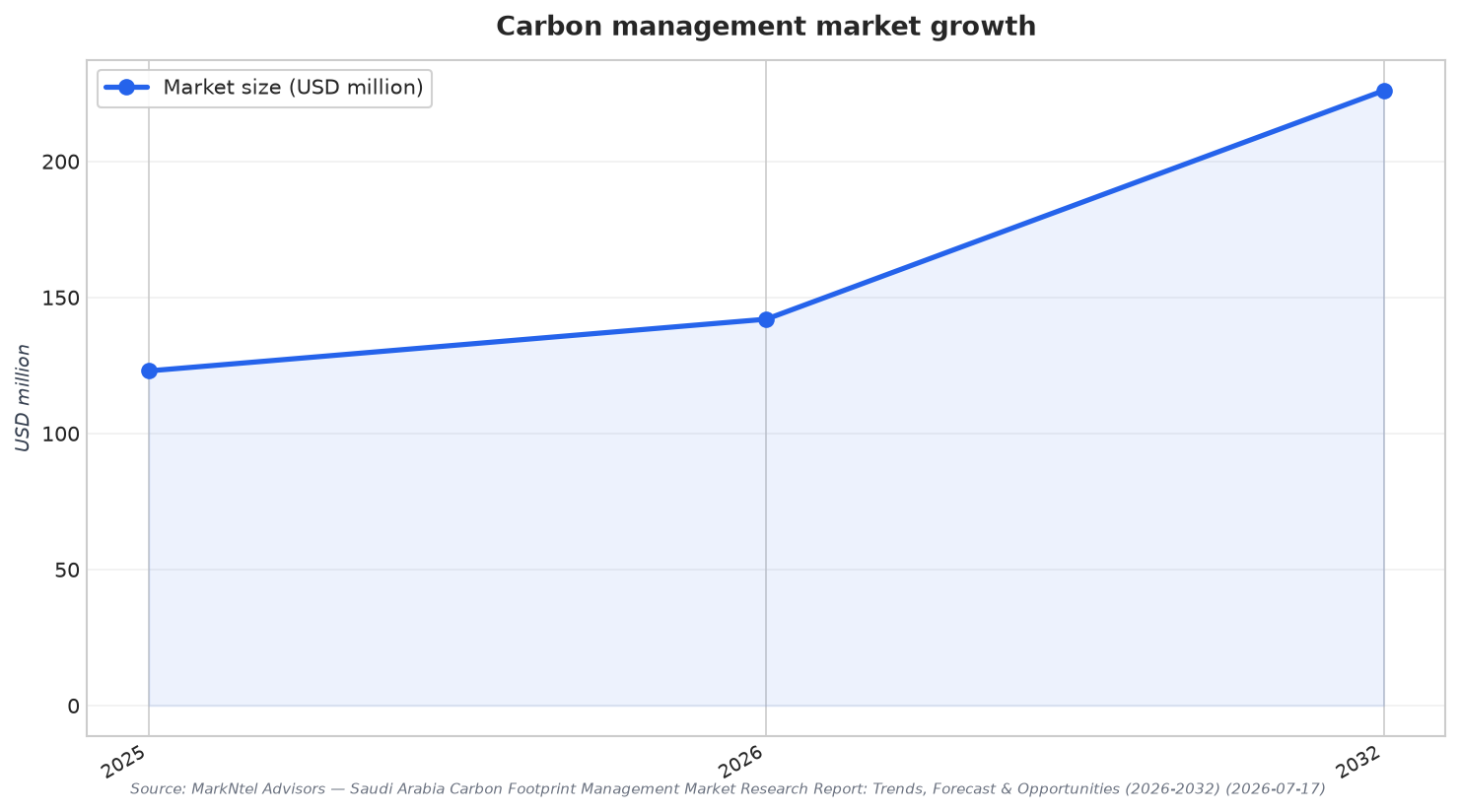
Saudi market signals also point toward more structured measurement and reporting. One market study says Saudi Arabia’s carbon footprint management market was valued at USD 123 million in 2025, is projected to grow to USD 142 million in 2026, and to USD 226 million by 2032, at a CAGR of 8.05%. The same study links this to Saudi Arabia’s Second Nationally Determined Contribution, submitted to the UNFCCC in December 2025, which commits to reducing, avoiding, or removing 335 million tonnes of CO₂ equivalent annually by 2040 compared with 2019 levels. It also cites the Greenhouse Gas Crediting and Offsetting Mechanism introduced in 2024, which established a national framework for registering emission-reduction projects and issuing verified carbon credits.
To build a defensible inventory, teams can start by defining organizational and operational boundaries, then mapping sources across all scopes. Saudi guidance highlights consolidation choices such as equity share or operational control when deciding which entities and joint ventures to include. It also notes that purchased goods and services, business travel, and use of sold products typically represent large Scope 3 contributors for many enterprises, and should be prioritized in data collection. In parallel, global sector datasets show why consistent Scope 1 and 2 methods matter: a peer-reviewed ICMM analysis compiled facility-level data from around 1,700 facilities across 14 commodities, representing about 87% of global production, with modelling used to cover the remainder. That kind of consistency is the direction of travel for credible reporting.
What do Scope 1, Scope 2, and Scope 3 mean for mine-site emissions reporting?
Why do mining companies need to focus on Scope 3 in addition to fuel and power?
When does the SBTi expect companies to include Scope 3 in net zero commitments?
What Saudi policy and market signals are pushing better emissions quantification?
How should Saudi Arabia approach greenhouse gas emissions reporting for mining companies in practice?