Saudi Arabia’s Eastern Province is increasingly positioned as a mining supply chain capital because major industrial and processing assets are already concentrated there, and new mining growth is pulling more procurement and fabrication toward the same hubs. S&P Global Market Intelligence highlights the Ras Al Khair aluminum complex in Ash Sharqīyah (the Eastern province) as a key operation led by Ma’aden with Alcoa Corp. That matters for supply chain depth because industrial-scale processing attracts specialized contractors, equipment servicing, and component availability close to site. It also complements the Kingdom’s broader push to become a hub for mineral trading, processing, and responsible supply chains, as Saudi Arabia expands licensing and pursues Vision 2030 diversification goals.
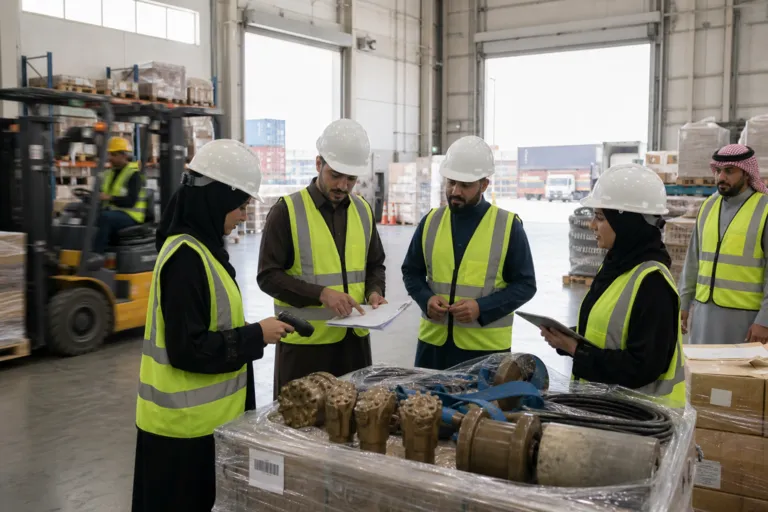
Equipment demand is one of the clearest signals that supply chain activity is thickening around established Eastern Province industrial cities. Mordor Intelligence estimates the Saudi Arabia mining equipment market at USD 7.32 billion in 2025 and expects it to reach USD 9.72 billion by 2030, with a 5.83% CAGR from 2025 to 2030. The same source ties OEM behavior to local assembly and joint ventures in Ras Al Khair and Jubail, explaining that multinational manufacturers are fast-tracking partnerships to meet more than three-fifths of local-content thresholds and reduce delivery lead times. In practice, that kind of localization pressure tends to concentrate suppliers where heavy industry, ports, and established contractors already operate.
How Industrial Integration in Jubail and Ras Al Khair Pulls the Chain Together
Industrial integration also shows up in the way mining-linked materials connect into chemicals, utilities, and petrochemicals in Eastern Province hubs. Ken Research notes that sodium chloride (salt/brine) dominates Saudi Arabia’s solution mining market and is a critical input for chlor-alkali and industrial gas operations in Jubail and other industrial centers. The same report adds that smart and automated mining and brine-handling systems support efficient large-scale production and handling of industrial salts, which reinforces the case for co-locating operations near industrial demand. Ken Research also points to Ma’aden’s integrated phosphate complexes at Ras Al Khair and Wa’ad Al Shamal as underpinning strong demand for phosphate-derived inputs, supporting a more connected chain from extraction to downstream use.
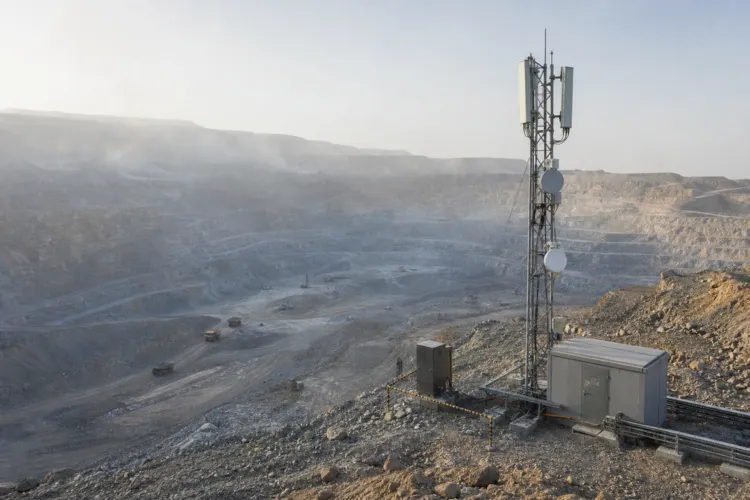
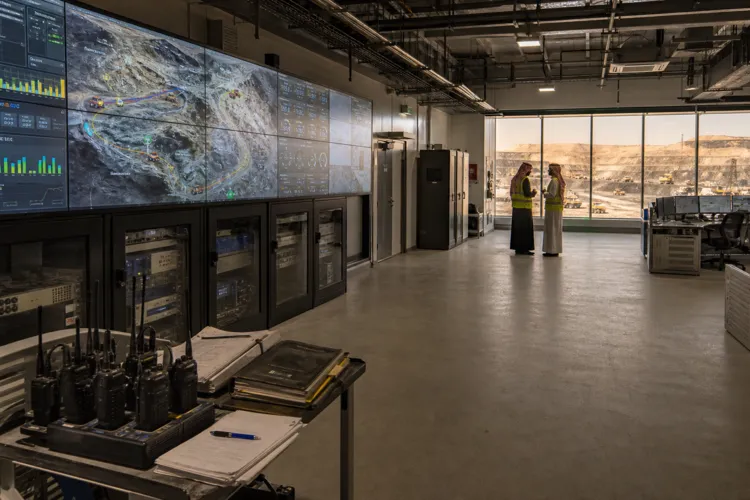
Technology and procurement patterns strengthen the case for an Eastern Province-centered ecosystem as the Kingdom scales projects. Mordor Intelligence reports that, by power source, diesel held a 75.16% share in 2024, while battery-electric equipment is projected to grow at a 16.31% CAGR between 2025 and 2030. It also highlights automated drilling systems and 5G-enabled predictive maintenance as tools to address skilled-labor shortages and lift productivity. These shifts typically increase the need for nearby service capability, spare parts, and integration work, which favors industrial clusters. Mordor also notes that tariffs can reach up to one-fourth on non-GCC imports, further tilting competitiveness toward local assembly and fabrication.
Policy momentum adds more pull. Mordor Intelligence cites 33 fresh mining licences released in 2025 and a USD 182 million exploration incentive fund, both linked to Vision 2030-linked mine privatizations that prioritize efficiency and rapid payback cycles. Arab News reports Saudi Arabia’s mineral wealth is valued at USD 2.5 trillion and frames mining as a pillar of economic transformation, with supply chains for minerals used in power grids, batteries, and electric vehicles attracting investment. Put together, these dynamics help explain why the Eastern Province mining supply cluster is becoming a practical center for localization, equipment readiness, and industrial offtake as projects move from plans to operating systems.
Why is the Eastern Province becoming a mining supply chain hub in Saudi Arabia?
What figures show mining equipment demand is rising in Saudi Arabia?
Which equipment segments are highlighted as important in the market data?
How are power sources shifting in Saudi mining equipment fleets?
What is driving the Eastern Province mining supply cluster to form more tightly now?