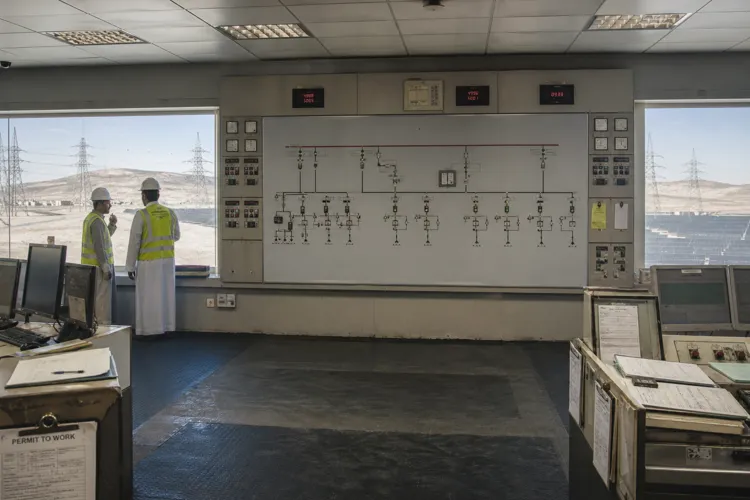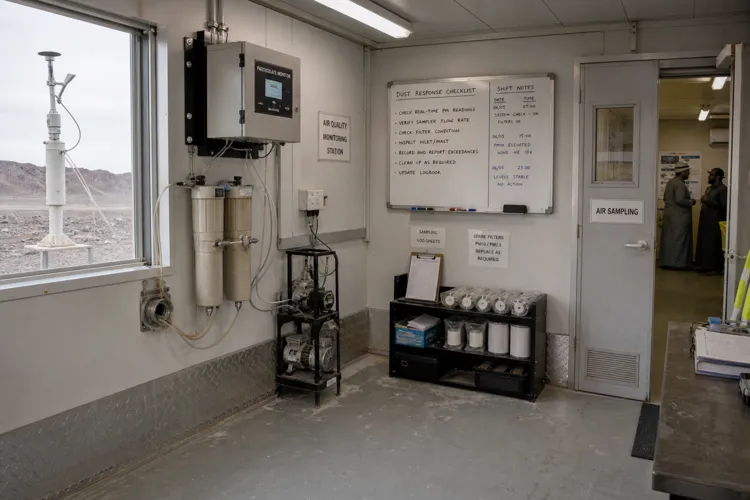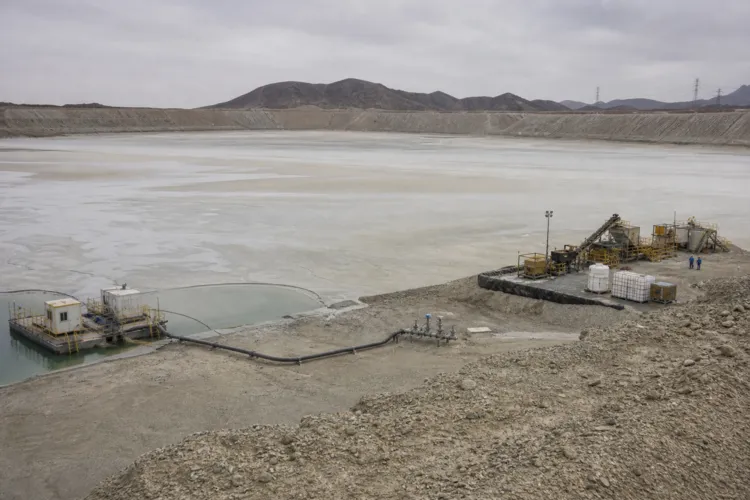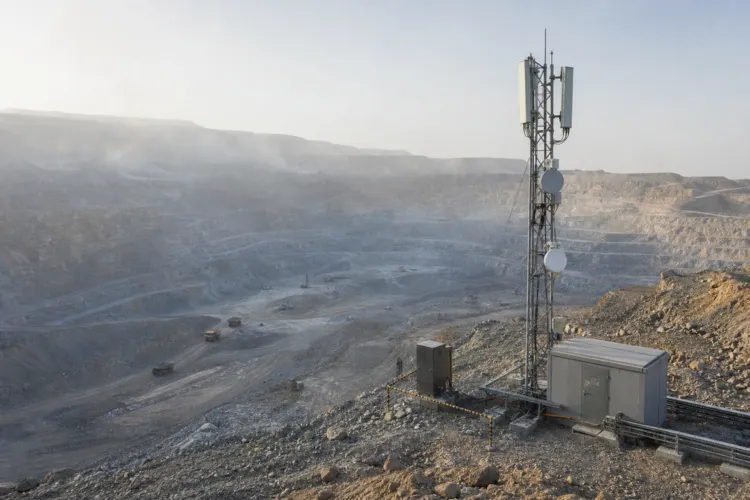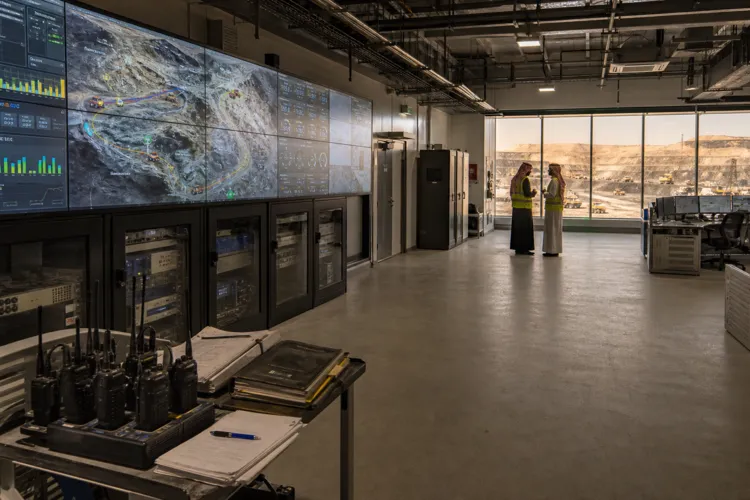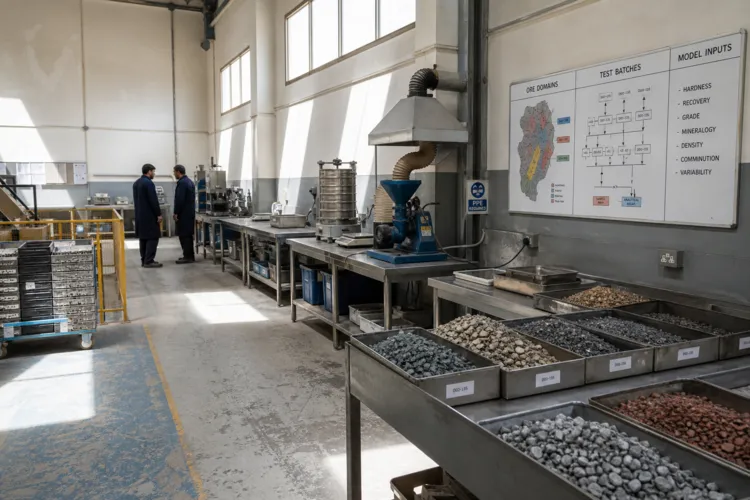
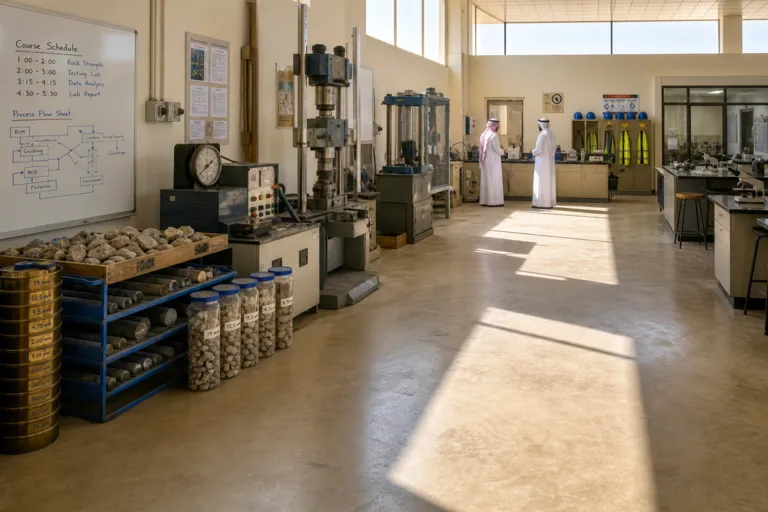
Scaling mining and metallurgy programs in Saudi universities starts with a clear reality: higher education demand is rising, and institutions are being asked to deliver more seats and more job-ready skills. Colliers expects Saudi Arabia’s total demand for higher education to reach at least 2.5 million seats by 2030, an increase of more than 300,000 seats from 2024 levels. That same report links the demand outlook to the ambition to cultivate a highly skilled national workforce aligned with Saudisation goals. This creates a practical backdrop for mining and metals departments to expand capacity, strengthen laboratory and field components, and build clearer bridges from classroom learning into industry roles.
Budget and market momentum also matter because scaling specialized education is costly. Grand View Research estimates the Saudi Arabia higher education market generated USD 5,675.4 million in 2023 and is expected to reach USD 13,913.3 million by 2030. It also notes that offline delivery was the largest mode segment, with a 69.86% revenue share in 2023, while online is described as the most lucrative mode segment with the fastest forecast growth. For mining and metallurgy, this split supports a blended approach: keep essential hands-on instruction in-person while using online modules to widen reach, improve scheduling flexibility, and support working learners.
What Is Driving Program Scale: Demand, Delivery, and Industry Pull
Demographics and urban concentration increase the pipeline of potential engineering students. GMI Research states the Saudi population reached 35.3 million in 2024 and cites a projection of 2.5% annual population growth. It also projects K-12 student registration reaching 8.3 million in 2030 from 6.1 million in 2018, which it says implies a need for an additional 2.2 million seats across the Kingdom. Ken Research adds that key cities such as Riyadh, Jeddah, and Dammam dominate the “back to college” market due to concentration of educational institutions and proximity to major industries, and it describes the urbanization rate as over 80% of the population residing in urban areas. Together, these signals point to where mining and metallurgy programs can scale fastest: urban hubs with existing infrastructure and industry adjacency.
Industry context strengthens the case for specialized curricula and modern teaching methods. Cognitive Market Research says Saudi Arabia is projected to capture 1.80% of the global metals and mining market in 2025, describing this as part of a regional push tied to Vision 2030. Deloitte’s 2026 mining and metals outlook emphasizes that mining may move from pilots to scaled operating systems and highlights that essential jobs are evolving amid talent gaps and digital disruption. For universities, this supports updating mining and metallurgy tracks with skills that match smart operations, while keeping foundational engineering depth. Within this shift, mining engineering education Saudi Arabia can scale by aligning course outcomes with evolving operating models and by using digital tools to extend specialist instruction beyond a single campus.
Scholarship and access initiatives also shape the talent pipeline, especially for high-cost, lab-heavy disciplines. Ken Research notes that in 2023 the Saudi government enacted the Human Capability Development Program under Vision 2030, issued by the Ministry of Education, which introduced expanded scholarships and financial aid programs for underprivileged students. Colliers reports that preferred programs include medicine, engineering, business, and emerging specialisations in robotics and AI, and it also notes increasing interest among female students in nursing, engineering, and business. For mining and metallurgy departments, the scaling playbook becomes clearer: pair expanded seat capacity with targeted financial support, strengthen engineering’s appeal among diverse student groups, and deliver a blended model that protects hands-on quality while expanding access.
What signals rising demand for university programs in Saudi Arabia?
How are Saudi universities balancing offline and online learning as they scale?
How does Vision 2030 relate to mining and metals education growth?
What helps widen access to engineering pathways, including mining disciplines?
How can mining engineering education in Saudi Arabia scale without losing quality?