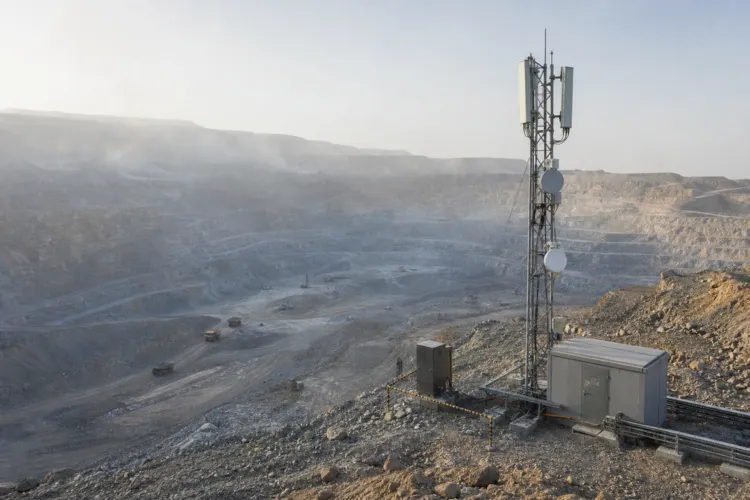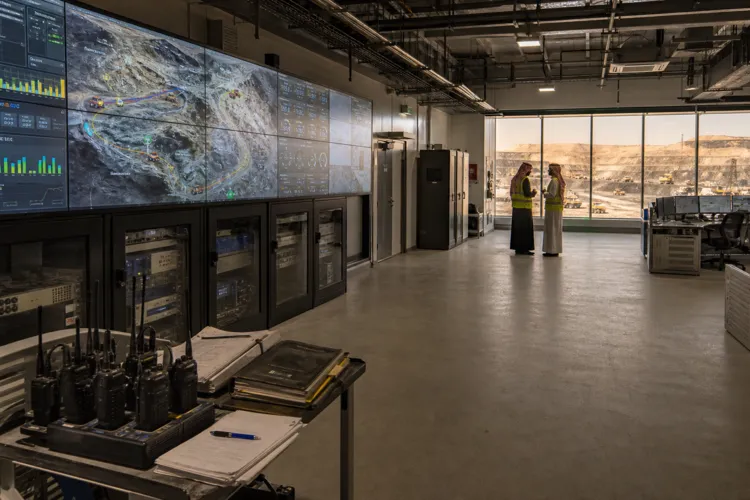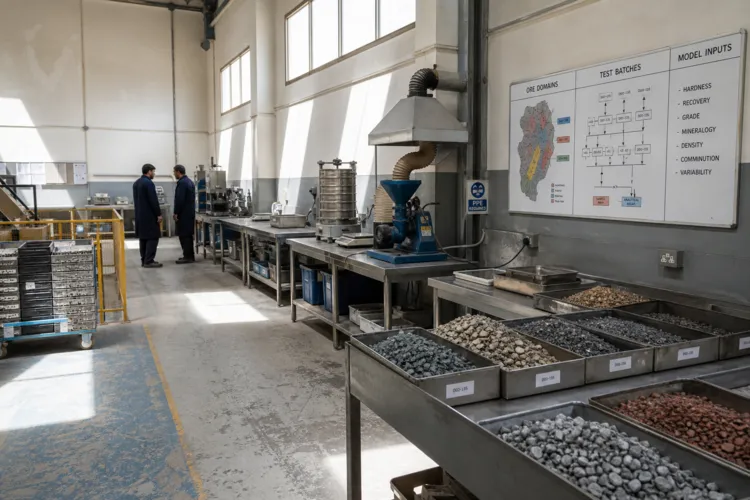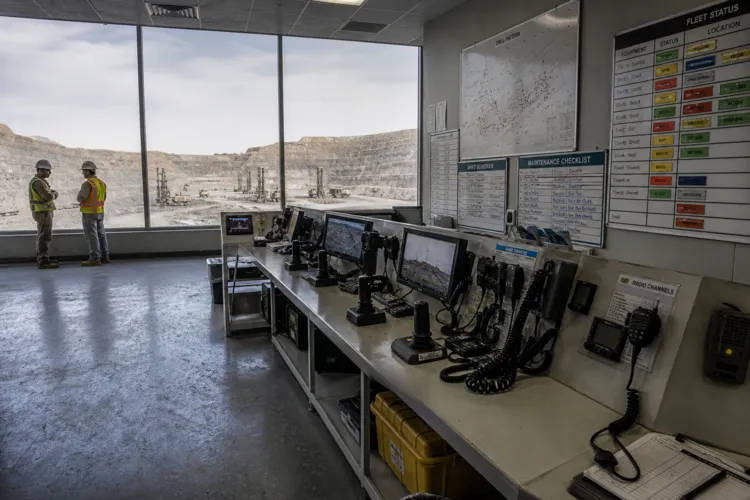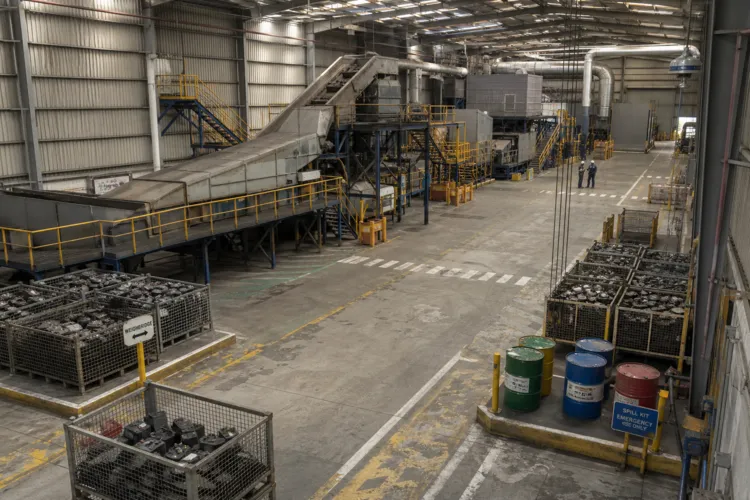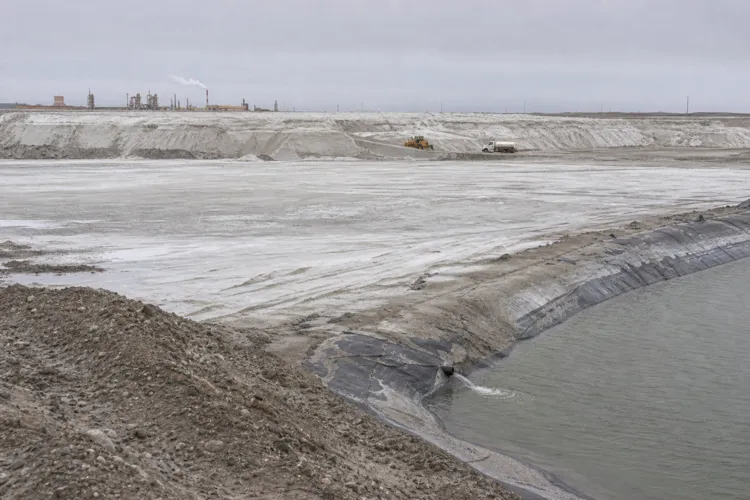
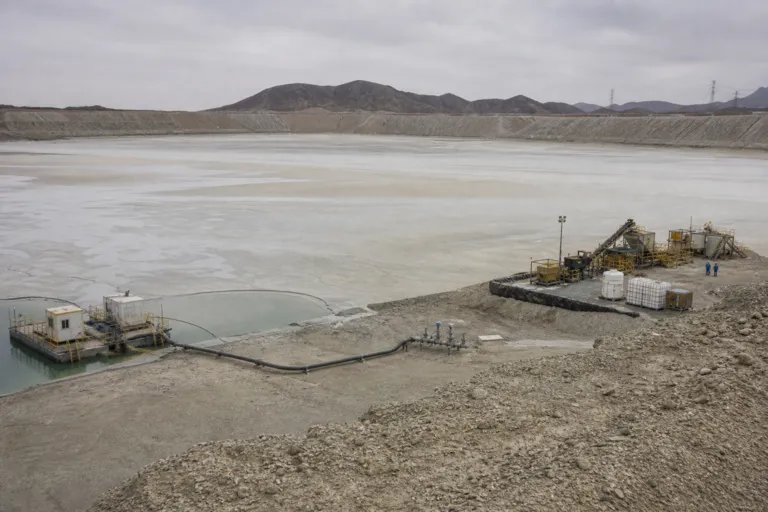
Mining waste is no longer framed only as a disposal problem. Across the Middle East, mining waste management is increasingly discussed in the language of circular economy practices, including reprocessing tailings, using waste rock in construction, and recovering metals from legacy waste. Ken Research notes that, in the Middle East context, phosphate, gold, copper, and industrial minerals are especially relevant segments, and that these activities generate substantial volumes of overburden, waste rock, and tailings that require engineered storage, water management, dust control, and progressive rehabilitation. This matters for Saudi Arabia because the region’s focus includes gold and copper, which are repeatedly highlighted across sources as major drivers of tailings volumes and the need for structured waste handling.
Tailings management is also a defined and growing global services and technology market, shaped by risk controls and sustainability expectations. Precedence Research describes tailings storage facilities as a dominant storage approach, with sub-aerial TSFs commonly used because they rely on established engineering practices and can have lower initial capital costs. The same source emphasizes that early-stage design and engineering can be highly effective for reducing waste and managing environmental impacts. In parallel, Verified Market Reports values the global mining tailings management market at USD 17.66 billion in 2026, forecasting USD 24.22 billion by 2032 at a 4.61% CAGR. Those figures are global, but they help frame why legacy tailings and modern containment upgrades are treated as investable priorities rather than optional line items.
Why Legacy Tailings Are Becoming Feedstock, Not Just Liability
The shift toward “mining the waste” is closely tied to demand for resource recovery from tailings. Market Research Future says the mining tailings management market is increasingly driven by interest in extracting valuable minerals and metals from tailings, with relevant mineral types including gold and copper. It also states that the waste management application segment is expected to grow from USD 3.52 billion in 2024 to USD 5.4 billion by 2035. The same report projects a compound annual growth rate of approximately 5.2% over the next five years, linking growth to environmental concerns and the adoption of more sustainable technologies and processes. For tailings reprocessing and metal recovery in Saudi Arabia, this global direction is relevant because it validates recovery as a mainstream objective, not a niche experiment.
Technology choices also show how reprocessing and safer storage can converge. MarketResearch.com lists management and technology categories that include tailings storage facilities, dry stacking, underground storage, in-pit disposal, slurry treatment, and technologies such as thickened tailings, paste tailings, filtered tailings, and cyanide tailings management. Ken Research similarly points to innovation themes in the Middle East, including filtered tailings, dry stacking, real-time monitoring, and closure planning. These options matter for legacy sites because they can be paired with remediation goals and recovery goals, especially when abandoned or legacy mine remediation is treated as a distinct application segment. The same MarketResearch.com source explicitly includes Saudi Arabia in its Middle East and Africa country coverage, underscoring regional relevance even when the market framing is global.
Finally, the economic stakes are clear at the broader mining waste level, even when local project figures are not disclosed in these sources. Precedence Research values the global mining waste management market at USD 239.40 billion in 2024 and predicts it could reach around USD 380.76 billion by 2034, growing at a 4.75% CAGR. It also stresses that legacy tailings and stricter governance are pushing miners and regulators to reimagine waste as both a risk and a resource, while noting that slurry tailings from copper, gold, and other metal mining projects can dominate waste volumes and risk exposure. In that context, a practical goal for tailings reprocessing metal recovery Saudi Arabia efforts is to align recovery ambitions with engineered containment, monitoring, and closure planning so value creation does not come at the expense of safety.
Why are gold and copper central to the tailings conversation?
What global market figures suggest tailings management is growing?
Which tailings management technologies are commonly discussed for safer handling and recovery readiness?
How does tailings reprocessing and metal recovery in Saudi Arabia fit into Middle East mining priorities?