Central Asia is returning to the center of global trade conversations, but this time the cargo is tungsten, rare earths, and other inputs for electrification and defense. Kazakhstan is trying to attract foreign investment to build a role in supply chains that are still heavily shaped by China. China accounts for about 60% of global rare earths output and up to 90% of refining capacity, according to reporting cited by The National. That imbalance is why new partnerships matter, and why a Saudi role increasingly looks less like a distant investor story and more like a Silk Road reroute focused on processing and logistics.
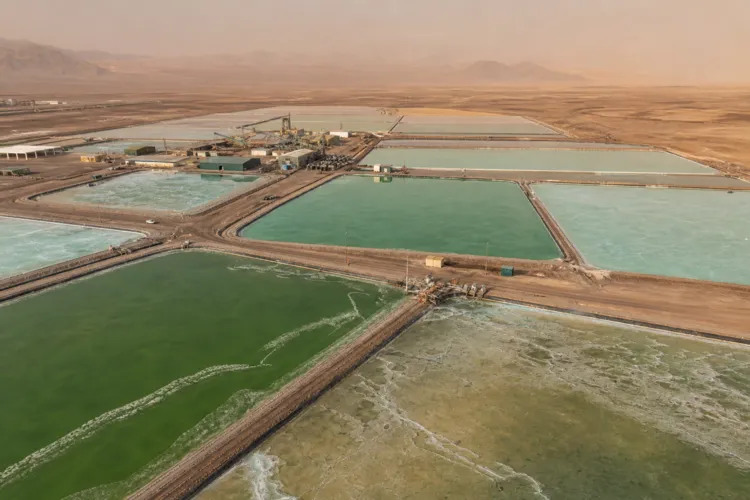
Kazakhstan has the rocks, but it also has constraints that investors keep circling back to. The country is landlocked, operates with Soviet-era equipment in parts of the sector, and lacks advanced refining capacity, The National reported. Kazakhstan’s government claims more than 9,500 mineral deposits, including lithium and tantalum, and the country has proven resources or active production of about half the minerals listed by the US as critical for electrification and national security. A Kazakh estimate cited in the same reporting puts tungsten resources at about two million tonnes. Kazakhstan’s Zhana Kazakhstan discovery, around 420km from Astana, is estimated to hold more than 20 million tonnes of rare earth metals, but the same source cautions that discovery does not automatically translate into production.
From Deposits to Supply Chains: The Real Bottleneck
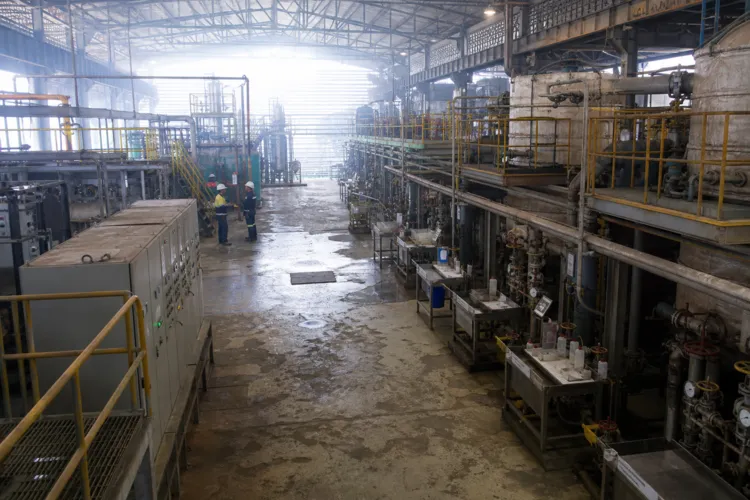
The missing link is what happens after mining. Rare Earth Exchanges argues that China’s dominance remains decisive further downstream, in rare earth separation, metals, alloys, and permanent magnet manufacturing. The outlet also highlights execution risks that can turn announcements into delays, including underdeveloped processing capacity, workforce shortages, and permitting risk. It points to the strategic importance of the Middle Corridor and logistics infrastructure, suggesting that transport can be as consequential as the mineral deposits themselves. This framing helps explain why Gulf players, with capital and an interest in industrial scaling, are increasingly visible in Central Asia discussions.
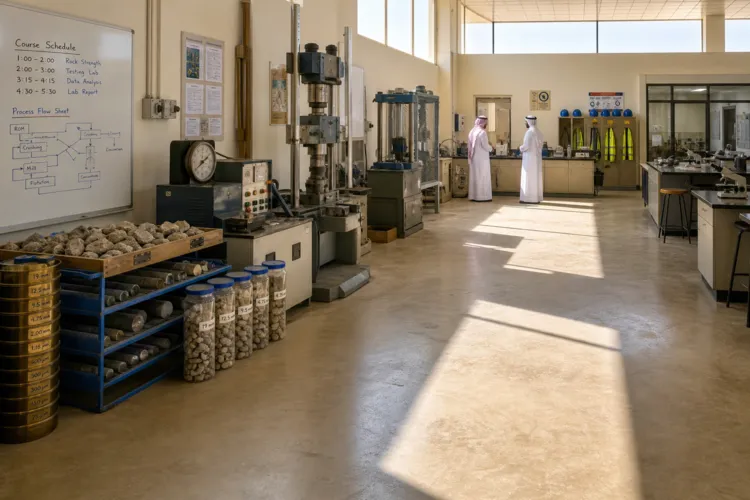
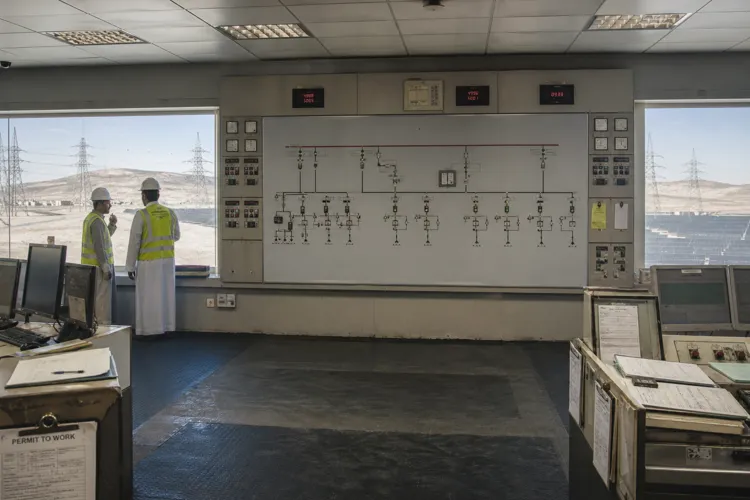
On the Saudi side, the strategy is explicitly about building industrial clout through processing and downstream manufacturing. One Saudi target cited by Saudi Energy Consulting is 130GW by 2030, with 50% from renewable energy sources, tying domestic energy build-out to mineral needs across magnets, nuclear energy, green hydrogen, and EVs. Under a Critical Minerals Strategy, the same source says Saudi Arabia has committed $100 billion in mining investments by 2035, with $75 billion already allocated to active projects. CNN also reported that Saudi Arabia says it has $2.5 trillion in mineral reserves. In this context, Saudi Arabia’s Central Asia critical minerals push reads as a way to secure inputs and simultaneously scale processing know-how.
Momentum is now showing up in formal engagement with Kazakhstan. DKNews.kz reported talks in Astana between Kazakhstan’s Prime Minister Olzhas Bektenov and Saudi Arabia’s Minister of Industry and Mineral Resources Bandar Al-Khorayef, focused on joint projects involving critical minerals and broader mining and metallurgy cooperation. The National also reported that Kazakhstan and Saudi Arabia signed an agreement to increase co-operation in mining and mineral resources. Financing signals are arriving from other partners too: the US Export-Import Bank and International Development Finance Corporation issued letters of interest totaling $1.6 billion for a deal involving US-based Cove Capital and Kazakhstan’s state mining company to develop two tungsten deposits, Northern Katpar and Upper Kairakty. The investment wave is real, but the region’s competitiveness will still hinge on processing, transport, and credible project delivery.
Why is Saudi Arabia focusing on critical minerals with Central Asia, especially Kazakhstan?
What makes Kazakhstan attractive for critical-minerals partners?
What are the biggest obstacles to turning Central Asia’s minerals into dependable supply?
How dominant is China in rare earths and refining, according to the sources?
What recent signals show that Saudi Arabia–Kazakhstan cooperation on critical minerals is moving forward?