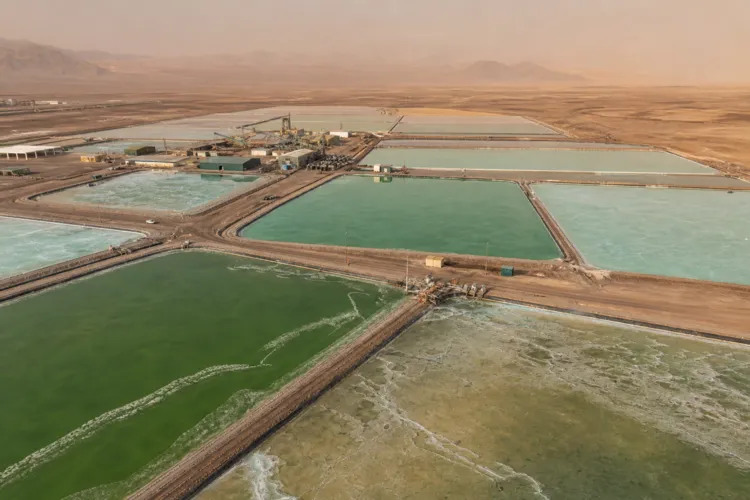
Saudi Arabia is trying to turn mining into a pillar of economic diversification under Vision 2030. The strategy is not limited to extracting ore. It also emphasizes building supply chains for domestic industries, including “ambitious targets” for electric vehicle manufacturing. In this context, the Ghurayyah tantalum deposit can be viewed through a wider policy lens: Saudi Arabia wants to be more than a source of raw materials. It wants to become a reliable supplier for global supply chains and a place where minerals can be processed, not just shipped.
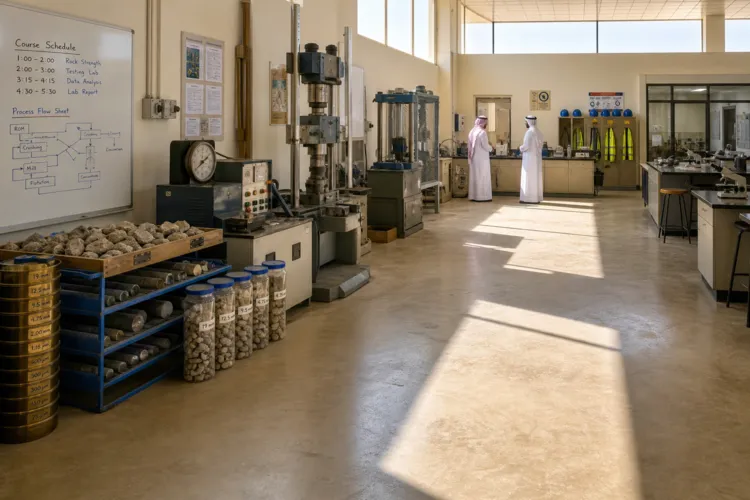
Several sources describe why processing matters in Saudi Arabia’s current push. Discovery Alert notes that developing processing capability adds value to raw mineral production, can generate higher revenues, and can create additional employment opportunities. It also argues that value-added processing strengthens supply chain integration with end-user industries. CNN adds that Saudi infrastructure could position the country as a regional hub for refining critical minerals mined elsewhere. Together, those points describe the kind of ecosystem a tantalum-centered strategy would need if the Ghurayyah tantalum deposit is to anchor a broader supply chain.
Partnership Models That Could De-Risk a Tantalum Play
Joint ventures are repeatedly positioned as a practical tool for entering complex processing and metallurgy. Discovery Alert says joint venture structures enable risk sharing and knowledge transfer, particularly important for complex sectors like rare earth element processing and advanced metallurgy. A concrete example appears in the MP Materials and Ma’aden deal. Alcircle reports that MP would hold 49% of the joint venture, while Ma’aden would hold 51%. That structure shows how Saudi Arabia can keep majority ownership while bringing in specialized partners, a template that could also support work tied to the Ghurayyah tantalum deposit.
The investment ambition around critical minerals is large, but it is also spread across different initiatives. MarketMinute reports the government aims to increase mining’s contribution to GDP from $17 billion in 2015 to $75 billion by 2030. It also cites a commitment to invest $100 billion in mining by 2035. Rare Earth Exchanges separately states that Ma’aden unveiled a $110 billion decade-long minerals investment plan and highlights policy reforms, including tax cuts from 45% to 20%. These figures do not describe tantalum specifically, but they frame the scale of capital and policy attention that could support a supply chain anchored by the Ghurayyah tantalum deposit.
Saudi Arabia is also linking minerals to geopolitics and supply security. MarketMinute notes a critical minerals partnership formalized with the United States in 2025. CNN describes how China tightened export controls on heavy rare earths last year, after the US had sent material to China for refining. In parallel, Rare Earth Exchanges cautions that prioritizing Saudi-based processing remains a strategic aspiration, not a settled outcome. For a Ghurayyah tantalum deposit-centered supply chain narrative, that means reliability, partnerships, and processing credibility are as important as the resource itself.
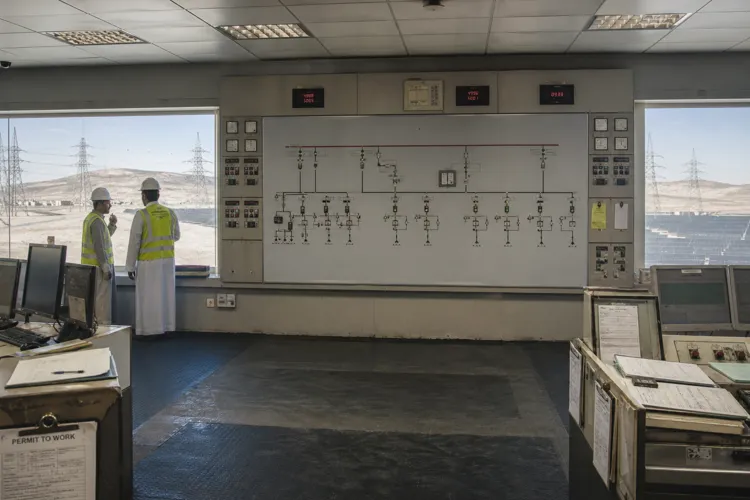
Finally, Saudi industrial capability and energy capacity are repeatedly cited as enabling factors for downstream buildout. CNN quotes an expert who calls Saudi Arabia’s biggest asset as a processing hub its “reliable quantities of energy,” plus the expertise of Aramco, which could develop improved refining methodologies. Mining.com.au similarly says there is consensus among many analysts that Aramco’s expertise in large-scale infrastructure could support processing facilities, transportation corridors, and mineral export platforms. If Saudi Arabia wants the Ghurayyah tantalum deposit to anchor a global supply chain, the sources suggest the playbook is clear: invest, partner, build processing, and connect output to end-user industries.
What is the Ghurayyah tantalum deposit discussed in this article?
Why does processing matter for supply chains, not just mining?
How could joint ventures support a supply chain around the Ghurayyah tantalum deposit?
What numbers show the scale of Saudi Arabia’s mining push?
Is Saudi-based processing guaranteed to become a default option for allied supply chains?