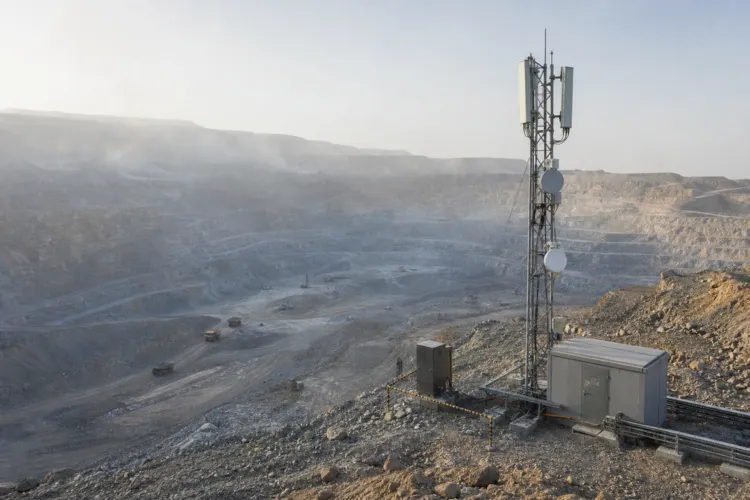
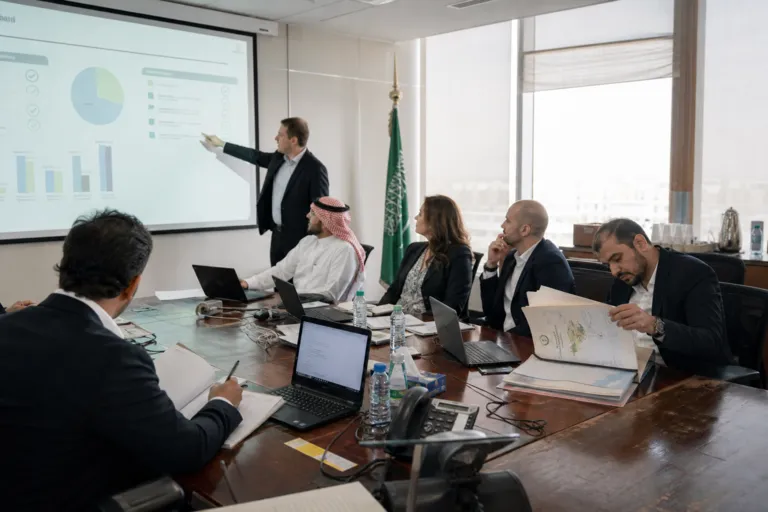
Saudi Arabia is formalizing how environmental, social, and governance (ESG) expectations show up in mining approvals and day-to-day operations. According to Darkstone, the Ministry of Industry and Mineral Resources has established a non-profit association for development and sustainability in the mining sector. The association is described as dedicated to supporting compliance with the highest standards of environmental sustainability, social responsibility, and governance principles. Darkstone also states that every mining application is now assessed for its commitment to ESG principles. For operators, this shifts ESG from a “nice-to-have” narrative into an assessed part of licensing and a recurring part of operational planning.
The scale of the sector helps explain why this structure matters. Darkstone writes that Saudi mineral wealth is estimated at SAR 9.4 trillion, alongside ambitions to establish mining as the third pillar of national industry. Separately, S&P Global Market Intelligence notes reserve-life estimates that support long-term planning, including copper at 15 years of reserve life and gold at 40 years. S&P Global also reports that minesite exploration accounted for 62% of the 2025 exploration budget, aimed at expanding existing operations, increasing resource estimates, and supporting near-term production growth. Taken together, operators face a larger pipeline of work where ESG evidence can be expected to travel with investment and permitting decisions.
What the Association Means for Licensing, Metrics, and Community Commitments
Darkstone outlines several practical signals operators should translate into internal requirements. It describes “Mining Sustainability Principles,” where every mining application must demonstrate commitment to environmental, social, and governance criteria. It also points to ESG performance indicators, stating the newly established non-profit association implements guidance programs and workshops on ESG metrics to measure establishment performance. On the social side, Darkstone describes community engagement requirements in which exploration license bidders commit to social programs and community support, and notes that recent license rounds saw successful bidders commit SAR 9 million to implement social programs. For operators, this is a prompt to build ESG plans that are auditable, budgeted, and ready early in the bid and application cycle.
Operators also need to align mining-specific ESG work with broader expectations in Saudi corporate governance and reporting. Ghazzawi Law Firm notes the CMA’s 2019 disclosure guidelines encourage listed firms to report on ESG factors, and that the Saudi Exchange (Tadawul) has supported issuers’ ESG journeys. The same source adds that in 2023, Saudi-listed firms gained a dedicated ESG index to spotlight best practices, and cites a report that about 30% of Saudi Arabia’s top firms now publish voluntary sustainability reports. In parallel, Saudi Compliance Institute highlights alignment with Saudi Vision 2030 and references compliance areas such as KSA Labor Law, Nazaha anti-corruption mandates, and AML financial standards. Even where a mining operator is not listed, counterparties and lenders may expect comparable governance discipline.
Implementation is where the new association’s role becomes operationally relevant. A Saudi mining consulting case study describes building sustainability intervention toolkits with operational guidelines, technology recommendations, and implementation checklists, alongside a capability-building curriculum covering environmental analytics, ESG reporting, and sustainable operations management. The same case study emphasizes pathways that help mining clients meet regulatory expectations while improving operational efficiency, including promoting water-efficient technologies and renewable energy solutions, as well as structured rehabilitation and biodiversity programs. Darkstone also provides an example of on-the-ground restoration: it says Ma’aden launched an initiative in 2013 around the Al-Jalamid Phosphate Mine that reclaimed mining lands and planted over three million native trees adapted to local climatic conditions. For operators navigating the ESG association mining Saudi Arabia conversation, the clearest takeaway is to pair measurable indicators with practical site programs and workforce training.
What is Saudi Arabia’s new ESG non-profit for mining supposed to do?
How does ESG affect mining applications in Saudi Arabia now?
What kind of community commitments are showing up in licensing rounds?
How does the ESG association topic connect to wider Saudi ESG reporting expectations?
What should operators do to be ready for ESG association mining Saudi Arabia expectations?