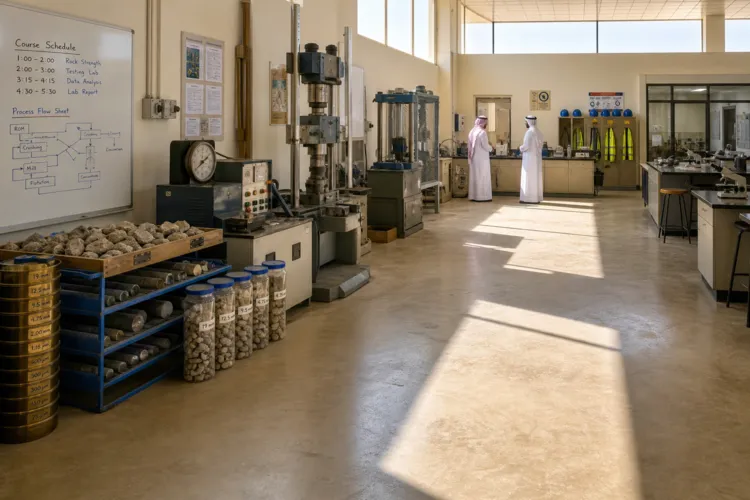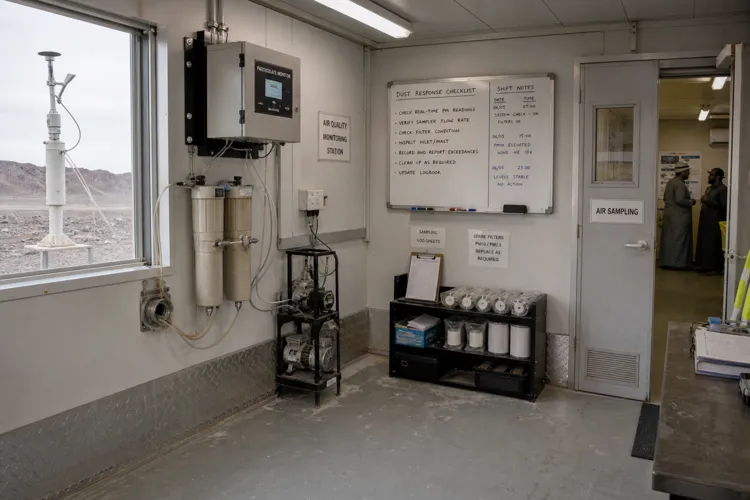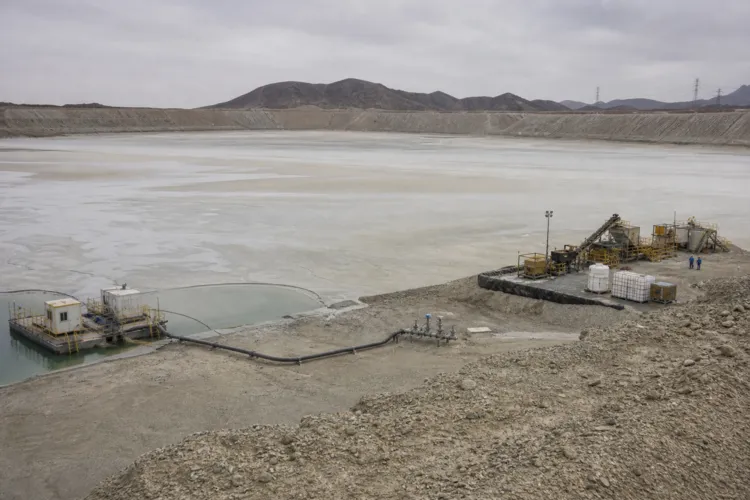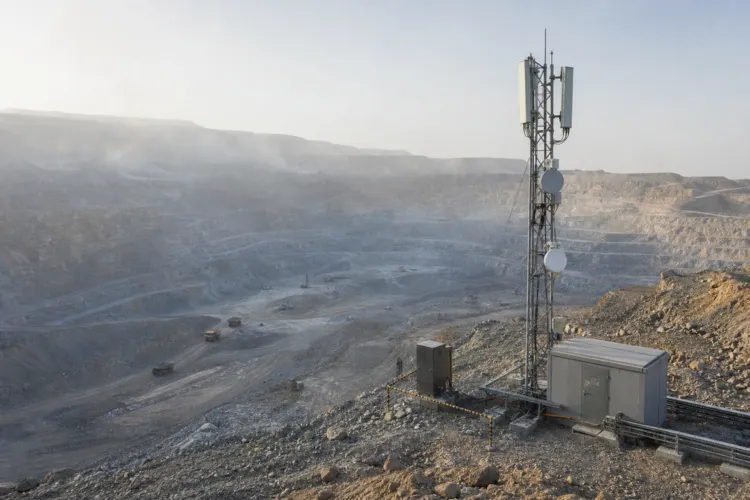
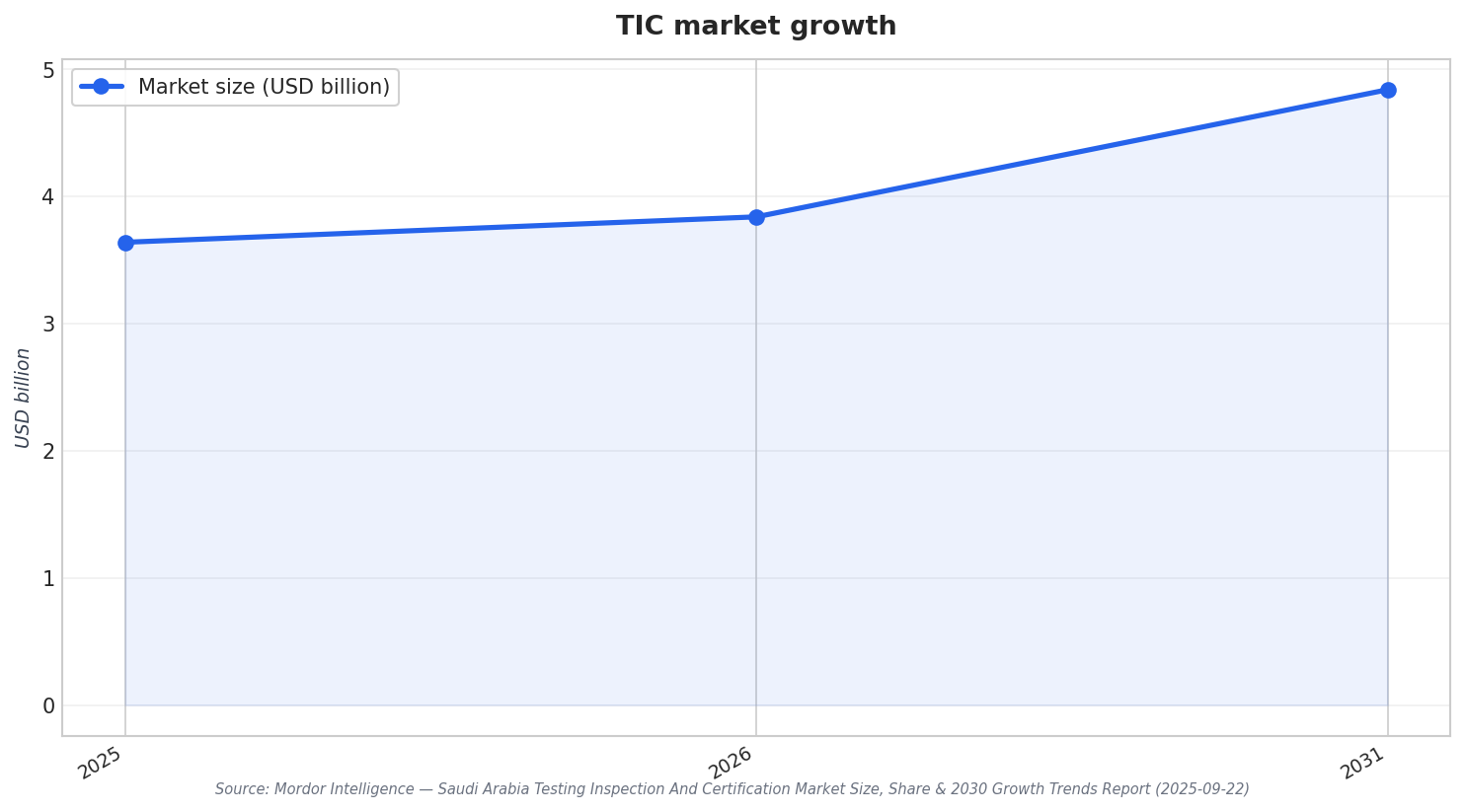
Saudi Arabia is building momentum across industry and regulated testing, and that momentum turns lab throughput into a strategic constraint. In the Saudi Arabia testing, inspection, and certification (TIC) market, testing captured 55.1% of revenue share in 2024, showing how much of the sector’s value depends on getting samples processed and results issued on time. Mordor Intelligence valued the Saudi Arabia TIC market at USD 3.64 billion in 2025 and estimated growth from USD 3.84 billion in 2026 to USD 4.84 billion by 2031, at a CAGR of 4.70% (2026–2031). The same report flags a hard issue: supply constraints in accredited laboratories, alongside overlapping approval pathways and Saudization quotas, can weigh on service capacity and add cost pressures.
Industrial diversification under Vision 2030 adds another layer of demand that can amplify bottlenecks when lab capacity does not scale at the same pace. Government programs such as the National Industrial Development and Logistics Program issued 1,379 new factory licenses in 2023, representing SAR 81 billion (USD 21.6 billion) in committed investment, according to the cited Saudi Gazette note in the TIC report. The same source frames a policy goal of 36,000 factories by 2035. More factories and more regulated supply chains can translate into more third-party verification steps and more sample-driven workflows that must pass through accredited facilities. When outsourced services already held 62.6% market share in 2024, capacity limitations in the lab ecosystem can ripple across many projects at once.
Why Capacity Expansion Needs to Be Practical, Accredited, and Fast
Scaling assay laboratory capacity in Saudi Arabia is not only about adding instruments. It is also about accreditation, standards, and turnaround time. Mordor Intelligence notes that competitive advantage increasingly favors firms that combine global technical depth with Saudi-based talent, automated testing equipment, and end-to-end conformity management platforms. The same report shows oil, gas, and petrochemicals led the TIC market with 29.85% revenue share in 2024, while life sciences and healthcare is projected for the fastest 5.6% CAGR to 2030. That mix matters because it implies multiple, simultaneous testing workloads with different regulatory expectations, documentation needs, and quality controls. On-site solutions were 51.2% of market size in 2024, while remote and digital services show the highest 5.8% CAGR outlook, suggesting the operating model is evolving as demand rises.
Healthcare-side lab investment offers a parallel signal: demand growth tends to pull infrastructure forward, especially when quality frameworks tighten. Global Market Insights valued the Saudi Arabia molecular diagnostics market at USD 321.3 million in 2024, projecting growth to USD 438.5 million by 2034. In a separate diagnostic labs market source, IMARC Group research cited the Saudi Arabia diagnostic labs market size at USD 2,756.44 million in 2024. That same source claims over USD 65 billion was allocated under Vision 2030 to modernize healthcare infrastructure and reports 76% of Saudis are positive about AI integration in healthcare. It also describes King Faisal Specialist Hospital & Research Centre launching an advanced hematology diagnostics lab in December 2024 and notes it serves 1.5 million beneficiaries. These developments show how targeted upgrades can lift throughput and turnaround time when demand is structurally rising.
The policy and market takeaway is simple: capacity must be expanded where the system is already signaling constraints. For exploration-led sample flows and industrial compliance workflows, building more accredited lab throughput reduces queue time risk and can ease the “overlapping approval pathways” pressure described in the TIC report. It also aligns with the direction of travel in adjacent lab markets, where compliance frameworks are strengthening and networks are expanding. For example, a DataM Intelligence press note says the Saudi Food and Drug Authority strengthened laboratory compliance frameworks in February 2026 by introducing advanced quality standards for clinical and diagnostic testing facilities, and it also notes Al Borg Diagnostics expanded its laboratory network in January 2026. When standards rise and testing volumes climb, capacity planning becomes an operational necessity, not a nice-to-have.
Why is Saudi Arabia’s assay lab capacity becoming a bottleneck now?
What indicators show testing demand is rising in Saudi Arabia?
Which industry segments are shaping the testing load?
How does healthcare lab growth relate to industrial testing constraints?