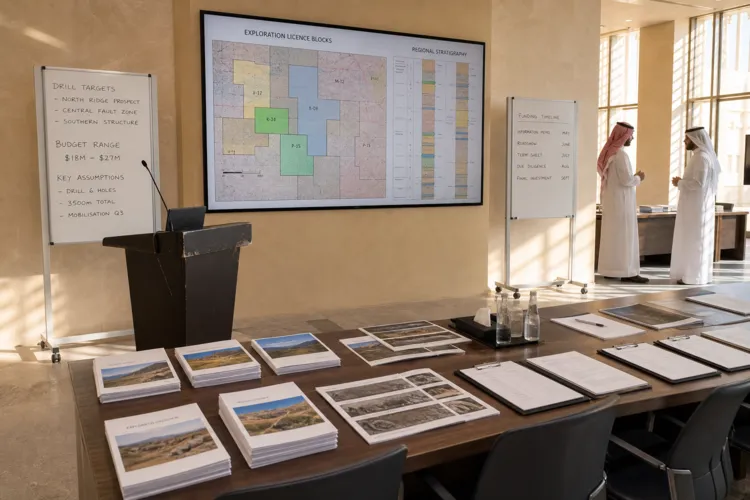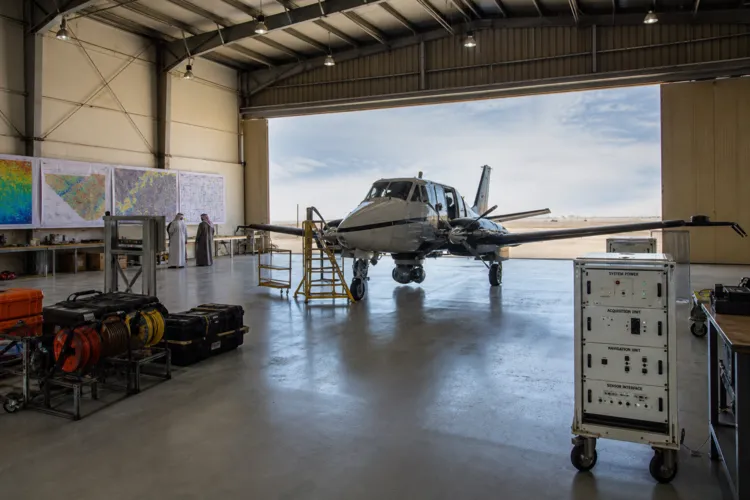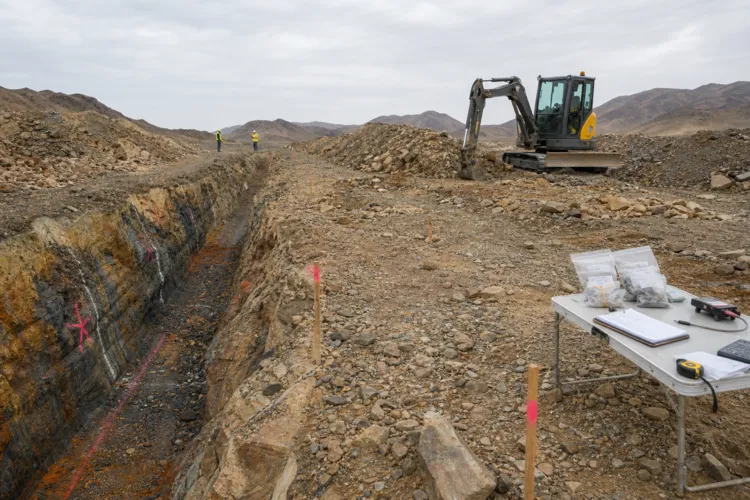
Rare earth magnet manufacturing Saudi Arabia ambitions sit at the “final link” of a longer chain: exploration, processing, separation, metallization, alloying, and then finished magnets. A Vision 2030-focused rare earth exploration push is underway, with work concentrated on the Arabian Shield in the western third of the country. The Saudi Geological Survey has conducted systematic mapping and geochemical sampling across the Arabian Shield, and preliminary surveys have identified rare earth element mineralisation in several locations, including carbonatite complexes and alkaline igneous intrusions. But the same analysis stresses that exploration maturity remains very low, describing the Kingdom as still at an early reconnaissance stage while processing capability is limited and geological potential remains to be fully delineated.
On the demand side, Saudi Arabia’s permanent magnet market is already large and projected to grow. MarketsandMarkets states the Saudi Arabia Permanent Magnet Market was valued at USD 16,312.1 million in 2025 and is projected to reach USD 24,753.0 million by 2030, representing a CAGR of 8.7%. The same report frames growth drivers as rapid urbanization, increased consumer electronics adoption, and strategic industrial diversification initiatives under Vision 2030 that extend magnet demand beyond oil and gas into manufacturing and renewable energy projects. It also notes consumer electronics as the primary application segment in Saudi Arabia, linked to increasing smartphone penetration, wearables, and smart home appliance demand.
From Resource Base to Magnet Factory: What Still Has to Happen
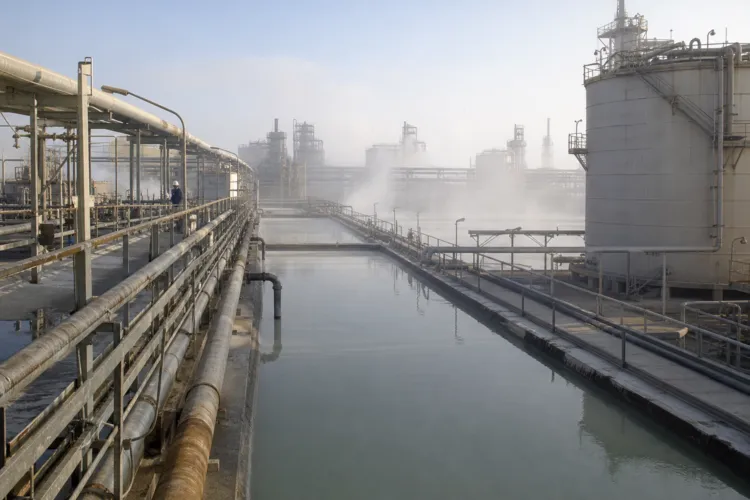
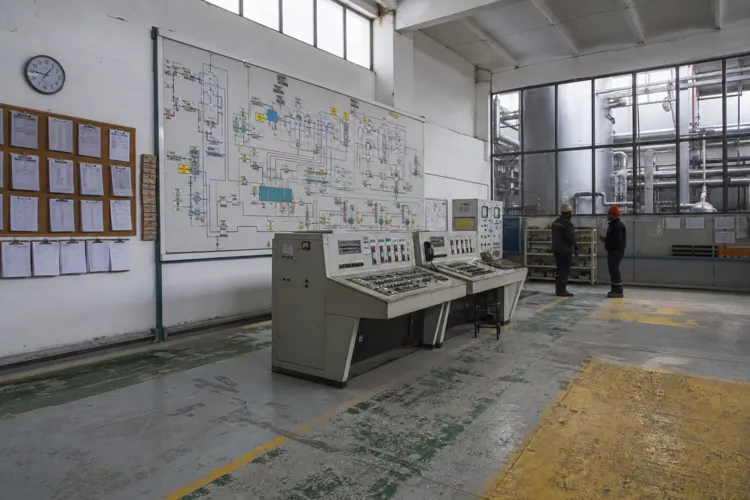
The midstream step that could enable future magnet output is refining and separation. Rare-Earth-Mining.com reports that in November 2025, Saudi state miner Ma’aden (≥51%), MP Materials, and the US Department of War signed a binding term sheet to build a rare earth refining and separation facility in Saudi Arabia. The stated intent is to separate light and heavy rare earth oxides from feedstock sourced from Saudi Arabia and other global regions, supplying US and Saudi manufacturing and defence sectors while reducing dependency on Chinese separation capacity. The same source links the facility’s rationale to heavy rare earths, highlighting dysprosium and terbium as critical inputs for permanent magnets used in defence systems such as combat aircraft motors, submarine propulsion, and precision guidance.
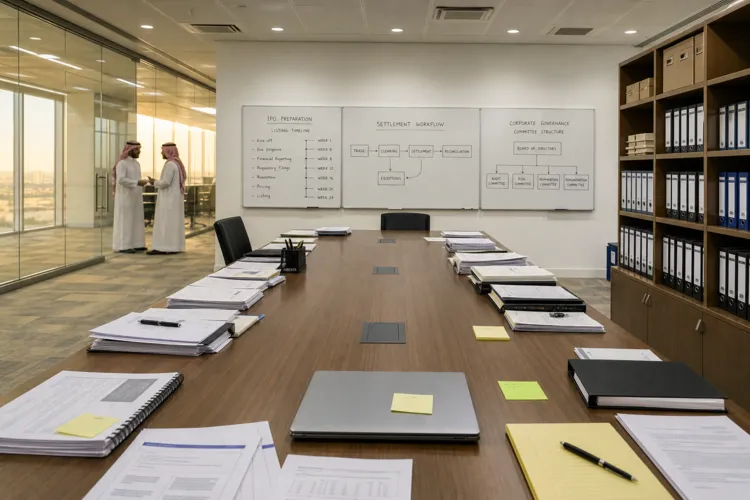
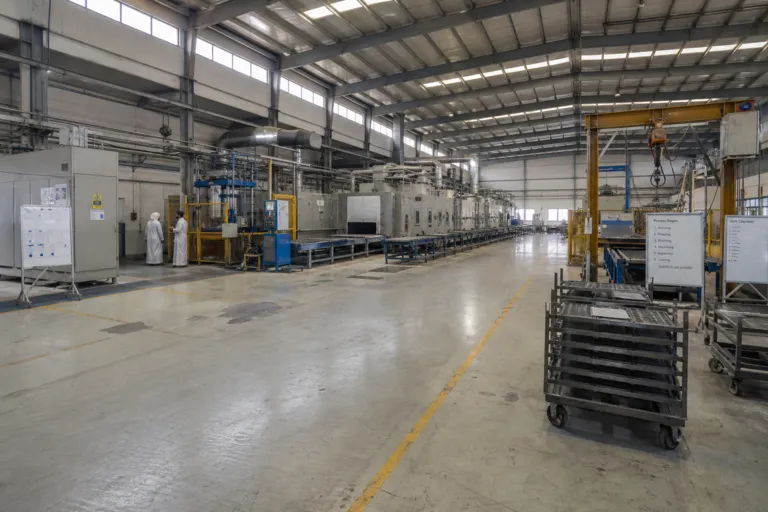
However, the gap between “separated oxides” and “finished magnets” is where execution risk concentrates. Rare Earth Exchanges argues Saudi Arabia is shifting from mine-to-magnet ambitions toward a more credible midstream refining strategy, but says direct expertise in commercial rare earth separation, metallization, alloy production, oxide qualification, and permanent magnet manufacturing remains limited and is being imported via partners. It points to reliance on MP Materials for process expertise and Hatch for hydrometallurgical engineering and project execution. As of mid-2026, it also states that no final investment decision, EPC contract, confirmed refinery location, or long-term magnet offtake agreement had been publicly disclosed.
Regional magnet-market moves suggest Saudi Arabia is trying to pull more capability closer, even if the build-out is uneven. HTF Market Insights describes the Middle East rare earth permanent magnet material market as growing but not uniformly, stating that Saudi Arabia leads in volume while the UAE is catching up with faster tech investments, especially in green energy. It also reports that on 15 February 2025, Magnet Arabia announced a joint venture with a leading Chinese rare earth miner to establish a regional supply hub based in Saudi Arabia, aiming to streamline supply chains and reduce delivery lead times for permanent magnet materials, particularly neodymium magnets for EV manufacturers. In that context, the “final link” becomes less about demand and more about whether Saudi Arabia can consistently convert refining progress and partnerships into repeatable, local magnet production know-how.
How big is Saudi Arabia’s permanent magnet market, and what is the growth outlook?
What is the planned Ma’aden–MP Materials project in Saudi Arabia supposed to do?
What do sources say is the biggest barrier to rare earth magnet manufacturing in Saudi Arabia?
What has been publicly disclosed about project execution as of mid-2026?
What signals exist for supply-chain building toward rare earth magnet manufacturing in Saudi Arabia?