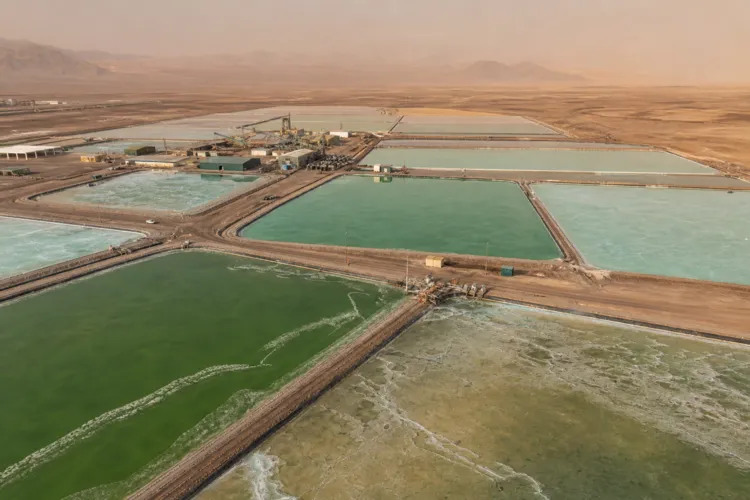
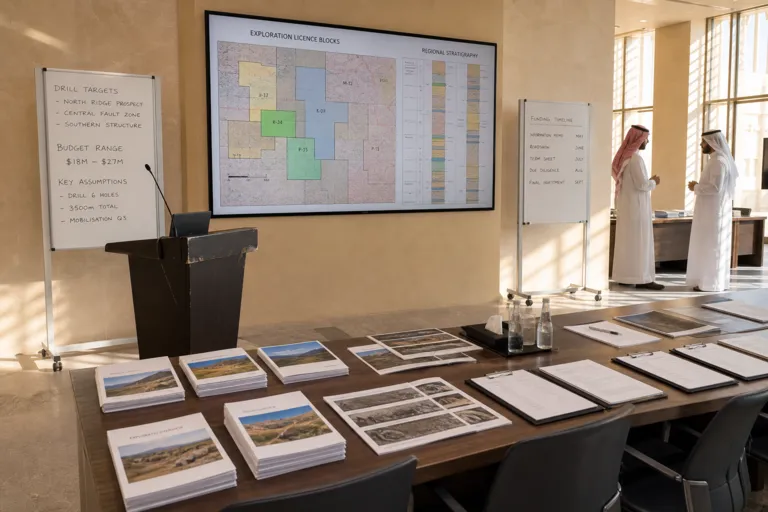
Saudi Arabia is trying to turn geological potential into an investable exploration pipeline. Multiple sources describe the Arabian Shield as comparatively underdrilled, undersampled, and undercharacterised versus other mature terranes, and that data gap is framed as the core opportunity for exploration-stage investors. The government has released 50,000 square kilometers of prospective land through competitive licensing, and the Ministry of Industry and Mineral Resources runs a structured, multi-stage competitive process that has reached ten consecutive iterations. At the same time, the Kingdom’s mineral wealth is estimated at US$2.5 trillion, and non-oil economic growth of 3% in Q1 2026 is cited as context for a policy push that embeds mining within Vision 2030 diversification.
But the question remains: where are the juniors, and what would it take to support more exploration-stage listings and financings? One signal is sheer momentum on the licensing and capital side. Mining licenses are reported to have jumped 220% in 2025, and investments hit US$11.7 billion in 2025. Large incumbents also matter because they set technical standards and create pathways for farm-ins, joint ventures, and eventual exits. Ma’aden is described as operating 17 mines and sites, and its Base Metals and New Minerals division operates six gold mines across the Arabian Shield. There are also examples of international participation, including Barrick Gold in a gold JV with Ma’aden, and interest from Ivanhoe Mines and other junior exploration companies.
A Data-and-Infrastructure Flywheel for Exploration Equity
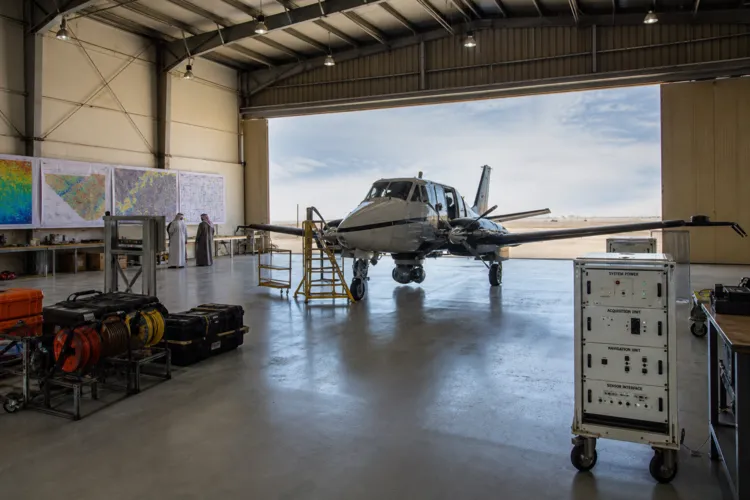
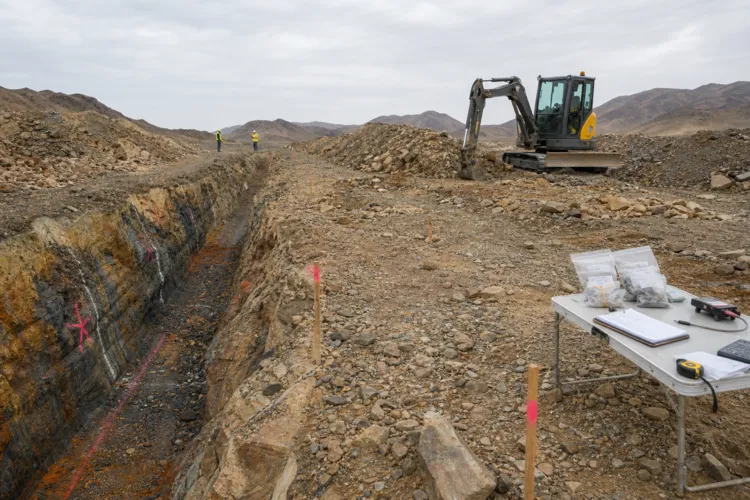
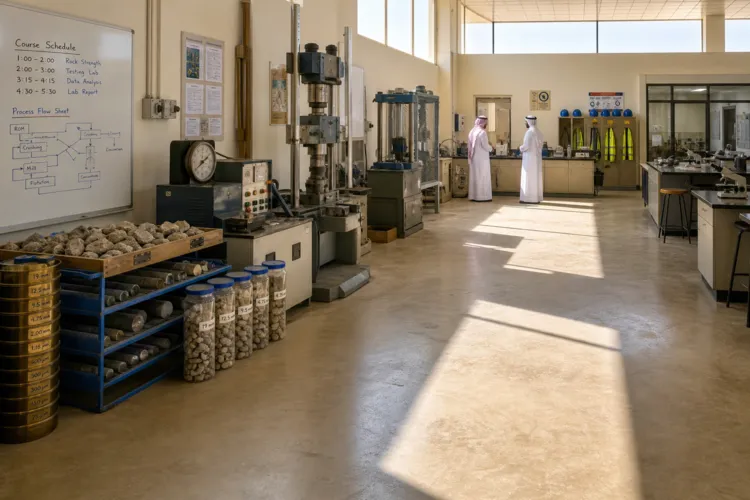
Exploration-stage markets need data density, fast assays, and modern field productivity so early companies can generate credible results quickly. Saudi Arabia is funding that foundation. Airborne and geochemical work is described at scale: 10 specialized airplanes conducting airborne geophysical surveys, and 85,000 stream sediment samples mapping 85% of the Arabian Shield. Laboratory throughput is also being built: SGS announced a dedicated sample preparation unit to be fully operational by October 2025, and a geochemistry analytical laboratory commencing operations in November in Jeddah via a joint venture with Golden Compass. Together, these steps lower practical friction for early programs, which is exactly what exploration-stage issuers and investors watch for when deciding whether a frontier jurisdiction can support repeated capital raises.
Technology adoption is another enabling layer because it changes the cost and safety profile of fieldwork and mining operations. The Saudi Arabia mining automation market generated USD 91.6 million in revenue in 2024 and is expected to reach USD 135.0 million by 2030, with a projected CAGR of 6.4% from 2025 to 2030. Separate reporting also points to autonomous and remotely operated tools being deployed, including OffWorld’s autonomous industrial mining robots in Ma’aden’s underground operations, and soil sampling robots referenced as reducing human exposure to hazardous environments. For an exploration-stage equity market, this matters because shorter cycles from target generation to drill testing can widen the funnel for discovery-oriented companies that might otherwise struggle to compete for attention and capital.
The final piece is creating enough investable “shots on goal” for public markets and private funds to back multiple explorers, not just one or two champions. The sources point to big-ticket commitments, such as Ma’aden committing approximately USD 110 billion of investment over the coming decade, and Manara Minerals Investment Company securing a 10% equity position in Vale Base Metals. On the exploration side, Ma’aden announced an additional 1,345 square kilometers of exploration licenses for a joint venture with Ivanhoe Electric in September 2025, and the same reporting notes 4,000 meters of additional drilling scheduled. If more early-stage issuers can plug into this licensing cadence, expanding datasets, and partner ecosystem, junior mining companies Saudi Arabia watchers would have a clearer pathway from first-pass targets to funded drill programs and, ultimately, marketable discoveries.
What is Saudi Arabia doing to expand the exploration opportunity set?
What survey and sampling scale is cited for the Arabian Shield?
How large is the Saudi mining automation market in the sources?
What evidence is there that investment momentum is rising in Saudi mining?
How can junior mining companies in Saudi Arabia plug into the current push?