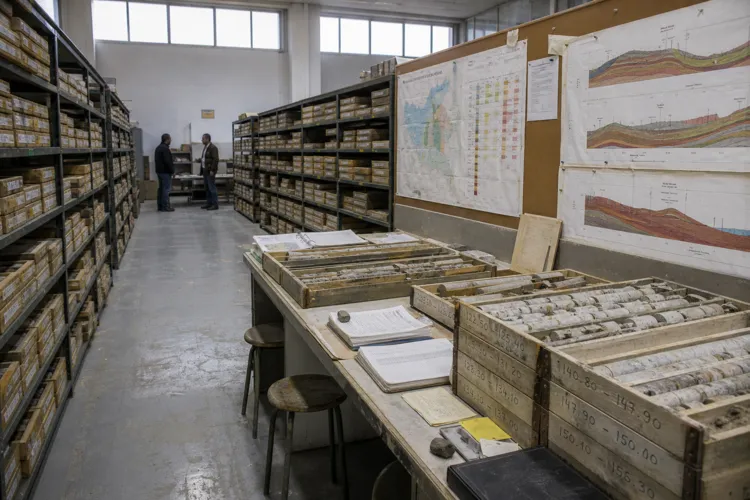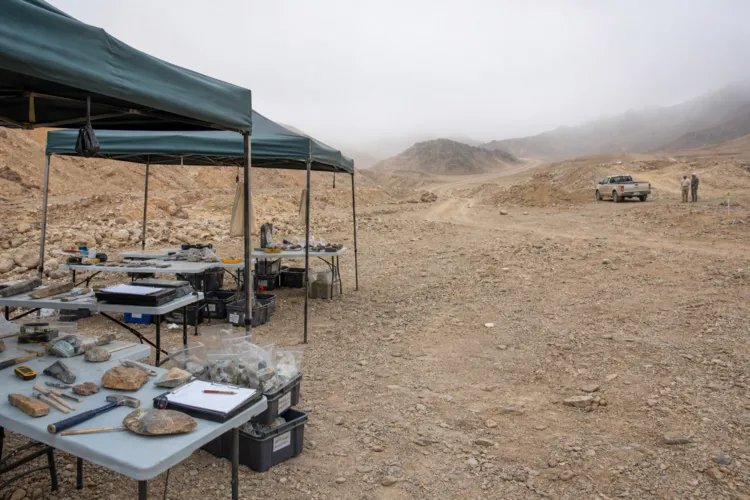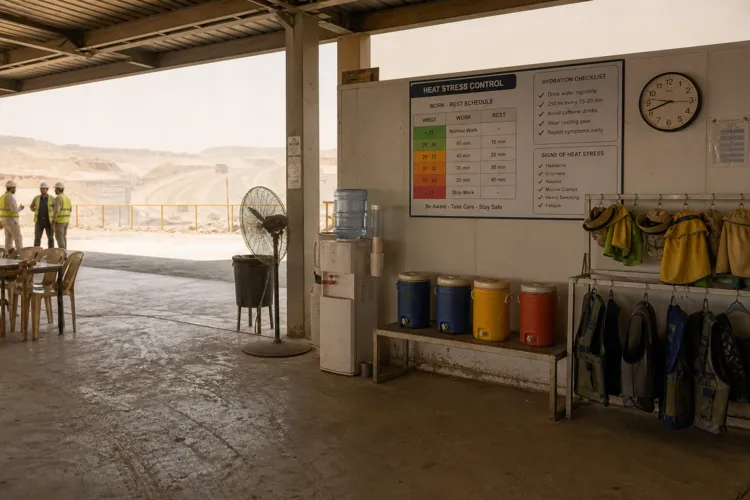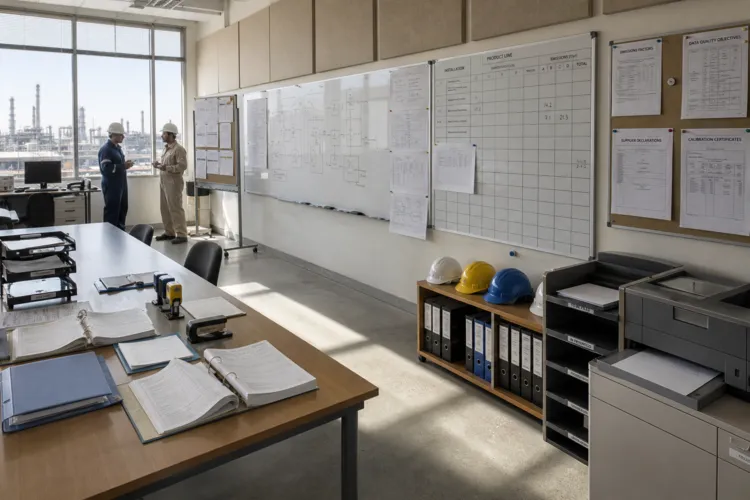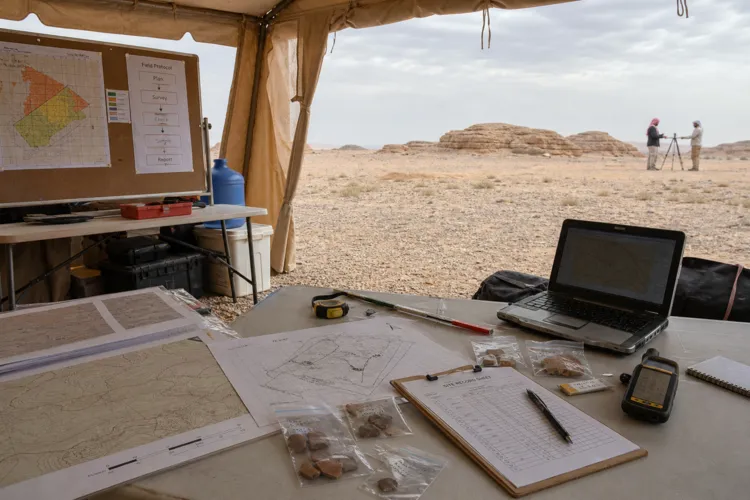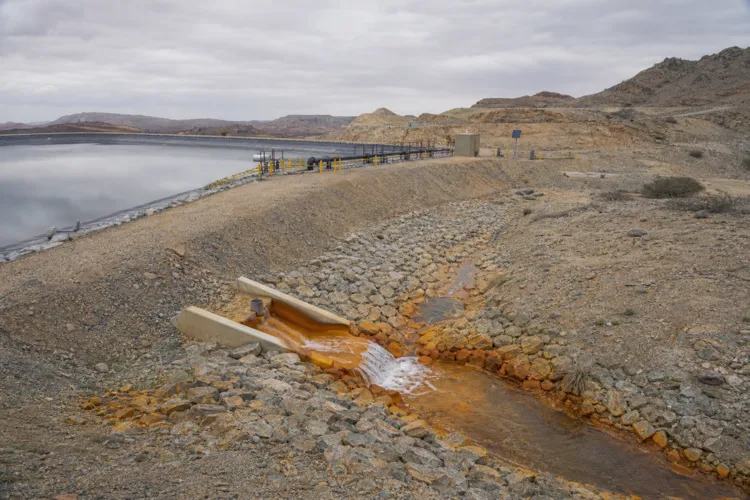
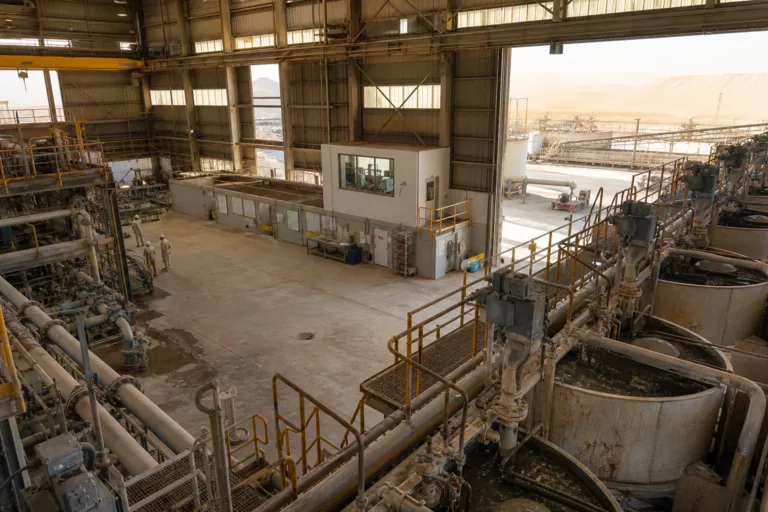
Mahd Al Dhahab (Arabic: مَـهـد الـذّهـب) literally means the “Cradle of (the) Gold.” It is a small gold mining area in the Arabian Peninsula, located in the Medina Province in the Hejaz in Saudi Arabia. Sources describe mining activity here across multiple eras. Gold was first mined in Arabia around the 30th century BC, with a second period of activity during the Abbasid Caliphate between 750 and 1258. Modern operations at Mahd Al Dhahab began in 1936 under the Saudi Arabian Mining Company, using both open-pit and underground mines. For operators, this timeline is not trivia. It frames a core operational reality: long-lived districts tend to be reinterpreted as technology, economics, and exploration priorities change.
Modern operators can also see how market context can reshape exploration emphasis. Wikipedia notes that the Saudi Arabian Directorate General of Mineral Resources carried out further gold exploration in the 1970s, following the 1971 suspension of the US$-gold exchange rate and the consequent rise in the value of the metal. In other words, a global monetary change helped trigger local exploration activity. Today, the mine is operated by the Saudi Arabian Mining Company (Ma’aden). A Ma’aden company profile source reports that the historic Mahd Al Dhahab underground mine yielded 29,566 ounces of gold in 2022 through conventional underground mining and carbon-in-leach (CIL) processing. The same site is also described as one of the oldest known mining locations in the Arabian Peninsula, reinforcing the lesson that “heritage” and “industrial output” can coexist in a single operating asset.
What the Processing Sheet Says About Operational Discipline
Wood Mackenzie characterises Mahd ad Dhahab as predominantly an underground operation, using a combination of fully mechanised sub-level stoping and cut-and-fill mining methods. The metallurgical route is also detailed: three-stage crushing, ball milling, flotation, cyanidation of flotation tails, and CIP gold recovery. That specificity is a teaching tool for modern operators. It shows a plant built around staged liberation, targeted separation, and downstream recovery—rather than a one-size-fits-all flow sheet. Wood Mackenzie also states gold production is around 30 thousand ounces per annum, providing a practical scale reference for a mine that is not positioned as a global mega-producer but as a steady underground asset with defined unit operations and an established recovery pathway.
Zooming out, sector context matters for interpreting the role of a mine like Mahd Al Dhahab inside a national portfolio. A Vision 2030-focused industry analysis states that Saudi gold production is modest by global standards, in the range of several hundred thousand ounces per year, and that production is dominated by Ma’aden across multiple mines on the Arabian Shield. In that same overview, Mahd Ad Dhahab is described as producing from both open-pit and underground operations and processing ore through conventional crushing, milling, and carbon-in-leach recovery circuits. The key lesson for operators is portfolio fit: in a multi-asset system, a mature underground mine can be valuable because it is understood, repeatable, and operationally legible, even when it is not the biggest contributor.
Finally, Mahd Al Dhahab highlights how mine life discussions often hinge on grade and depletion narratives. Wikipedia notes the mine “will close in 2023” because only low-grade gold is being mined as resources deplete, but it flags this statement with a citation-needed tag. Operators should read that carefully: closure claims can circulate before they are fully documented. The safer operational takeaway is to plan for grade variability, depletion risk, and shifting ore characteristics, while maintaining disciplined reporting. When discussing the Mahd adh Dhahab gold mine in Saudi Arabia today, the most transferable lesson is not a single date. It is the operational habit of aligning mining method, processing route, and exploration focus to the reality of what the deposit can still economically deliver.
Where is Mahd Al Dhahab located?
How much gold did Mahd Al Dhahab produce in 2022?
What mining and processing methods are used at the operation?
How does the Mahd adh Dhahab gold mine in Saudi Arabia fit into the wider sector?