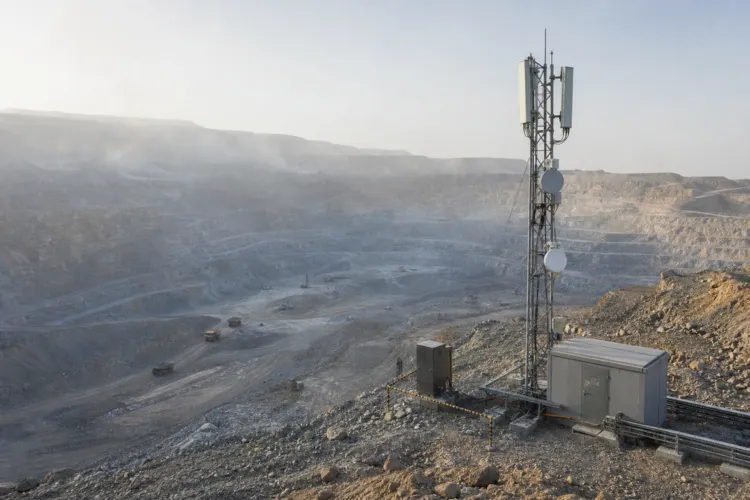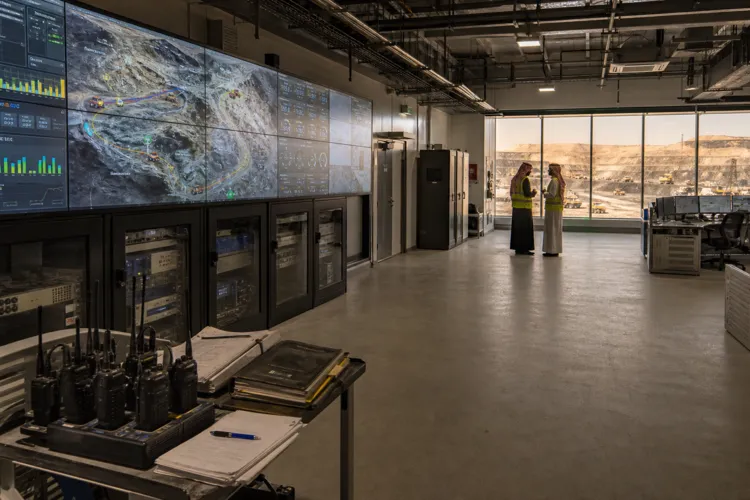
Silver mining Saudi Arabia is not being positioned as a single-metal rush. It is being pulled forward by polymetallic exploration and development, where silver sits alongside copper, zinc, and gold. A clear example arrived in late November 2025, when Almasane Alkobra Mining Company (AMAK) announced a multi-metal discovery in the southern Najran region within one of its exploration licenses. A preliminary internal assessment indicated nearly 11 million tonnes of resources that include gold, copper, zinc, and silver. In this model, silver strengthens project economics as a by-product rather than carrying the full investment case alone.
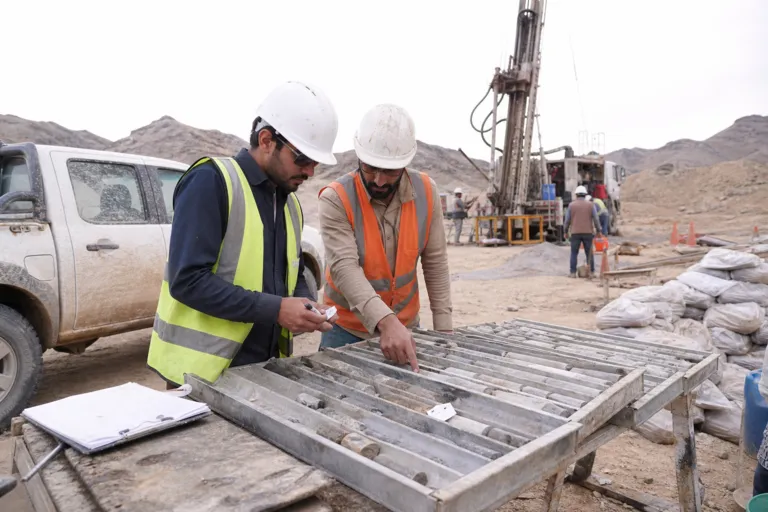
The Najran story also shows how quickly fieldwork is ramping up. AMAK said exploration work across the concession site started immediately after receiving the license in September 2024. The company then drilled more than 27,000 meters as part of an intensive program that began in February 2025. Its preliminary internal studies also pointed to strong potential for further growth because the drilling to date covers less than 10% of the total license area. AMAK plans to continue geophysical surveys and new drilling programs in 2026, which keeps the silver-by-product angle active.
Why Silver Re-Emerges as a By-Product, Not a Standalone Bet
Saudi Arabia’s mining pivot under Vision 2030 sets the context for why silver can re-emerge in this way. Saudi Arabia has made mining the so-called third pillar of its Vision 2030 plan to diversify an oil-reliant economy. Bloomberg reported a broader goal to quadruple mining’s economic contributions by 2030 and to draw in companies to help the country become a hub for the sector. The strategic logic is also tied to supply chains and industrial development. In the same framing, silver is described as vital for solar panels and electronics, which supports its role inside a broader metals portfolio.
Exploration spending data underscores that the push is not only rhetorical. Saudi Arabia’s Ministry of Industry and Mineral Resources said exploration spending increased fivefold in four years, reaching SAR 1.05 billion in 2024, up from SAR 501 million in 2023 and SAR 205 million in 2020. The same report linked this growth to private-sector investment, expanding geological survey programs, and regulatory reforms. The Kingdom also advanced in the Fraser Institute ranking from 104th to 23rd globally over the past decade. For silver mining Saudi Arabia, more exploration spending can mean more polymetallic targets where silver appears in the mineral mix.
Company activity across the sector reinforces the idea that silver will often be produced with other metals. A sector snapshot lists Arabian Shield Mining Company (founded 2008, based in Jeddah) as focused on gold, silver, and precious metals, with “2.7 million tonnes ore equiv.” and a noted “Shield Belt Mines (Gold, Silver).” Elsewhere, Ma’aden is described as a mining monolith operating 17 mines and sites, and it has partnerships that include Barrick Gold, while Barrick Mining is cited as operating a copper mine in Saudi Arabia. In this landscape, silver’s re-emergence is most likely to ride alongside larger base- and precious-metal development programs.
The investment momentum being discussed around the Kingdom is also measurable, even when it is not silver-specific. One report said mining licenses jumped 220% in 2025 and investments hit US$11.7 billion in 2025, reflecting a rapidly scaling environment for new projects and data generation. Combined with discoveries like AMAK’s Najran resource estimate, the trajectory points toward more polymetallic developments where silver can become an economically meaningful by-product. The near-term signal to watch is execution: continued geophysics, drilling, and resource growth from areas that are still lightly tested.
What is driving silver mining Saudi Arabia right now?
Where is the key recent silver-related discovery located?
How intensive has AMAK’s drilling been at the Najran concession?
What signals that Saudi exploration is accelerating beyond a single project?
Why is silver framed as a by-product metal in this cycle?