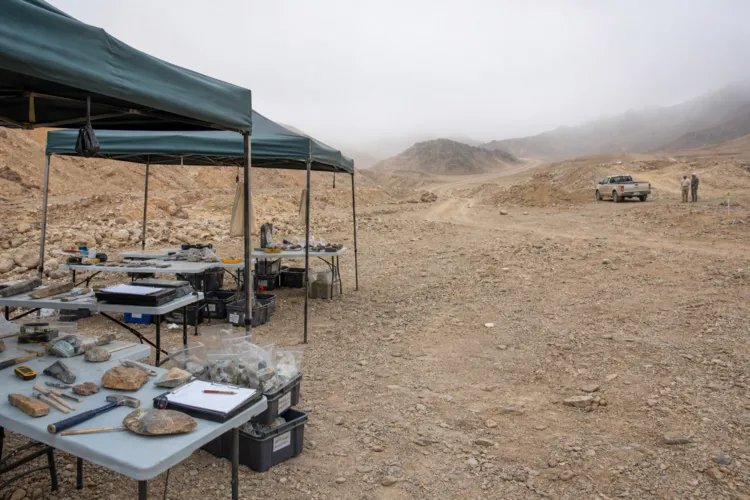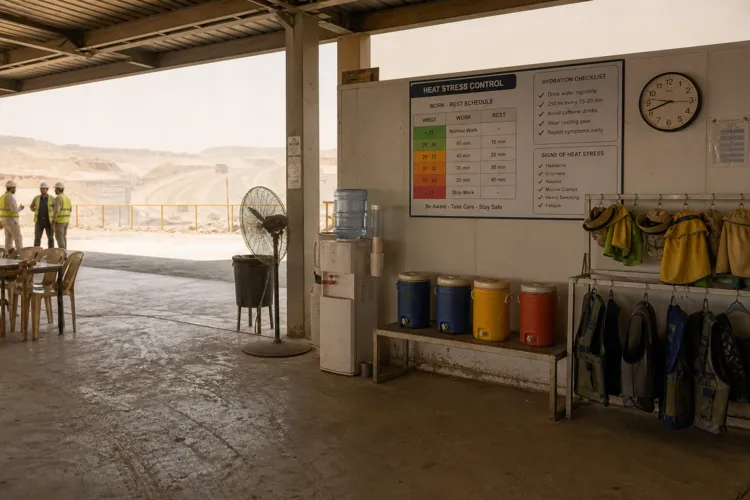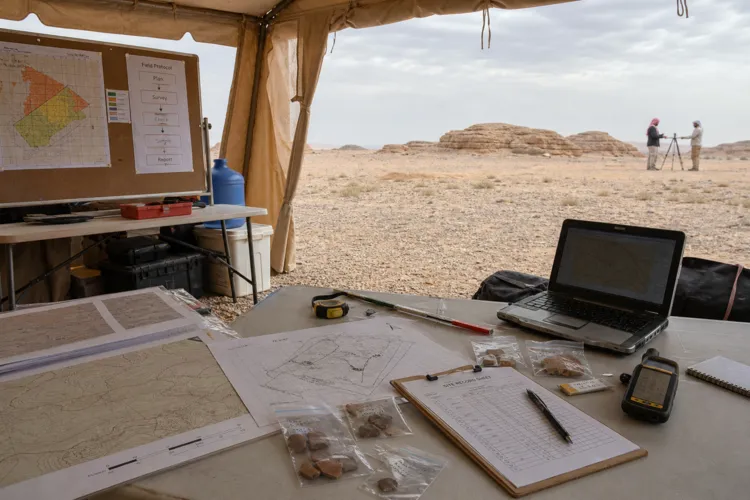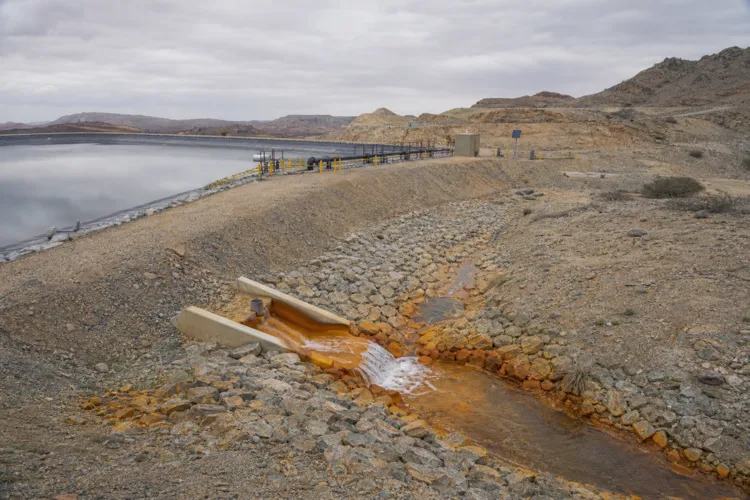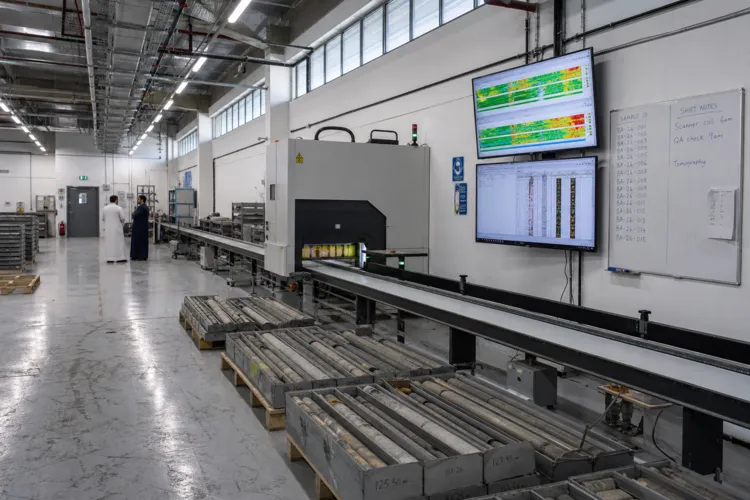
Mining operations face constant risk from harsh conditions, heavy equipment, and remote sites. IoT in mining uses connected sensors, devices, and data platforms to collect real-time information from operations. These systems support safety monitoring, asset tracking, and equipment performance optimization. Sensors can monitor underground conditions such as gas levels, temperature, and ground stability to improve worker safety. Real-time tracking can also monitor workers, vehicles, and equipment across surface and underground mines. For IoT mining Saudi Arabia goals, the practical theme is the same: connected monitoring platforms help teams respond faster to hazards and operational issues.
Maintenance impact is where connected assets often show the fastest wins. Predictive maintenance, powered by IoT, helps identify equipment issues before they become breakdowns. One source notes that predictive maintenance powered by IoT can reduce equipment downtime by up to 50%. Another perspective, focused on AI-driven predictive maintenance, states organizations can achieve as much as 30–50% reductions in unplanned downtime and can potentially extend asset life by as much as 20–40%. Separately, an industry report summary lists 70–90% reduction in unplanned downtime and 10–40% maintenance cost reduction as documented ROI outcomes for predictive maintenance, showing why the approach keeps expanding across industrial asset bases.
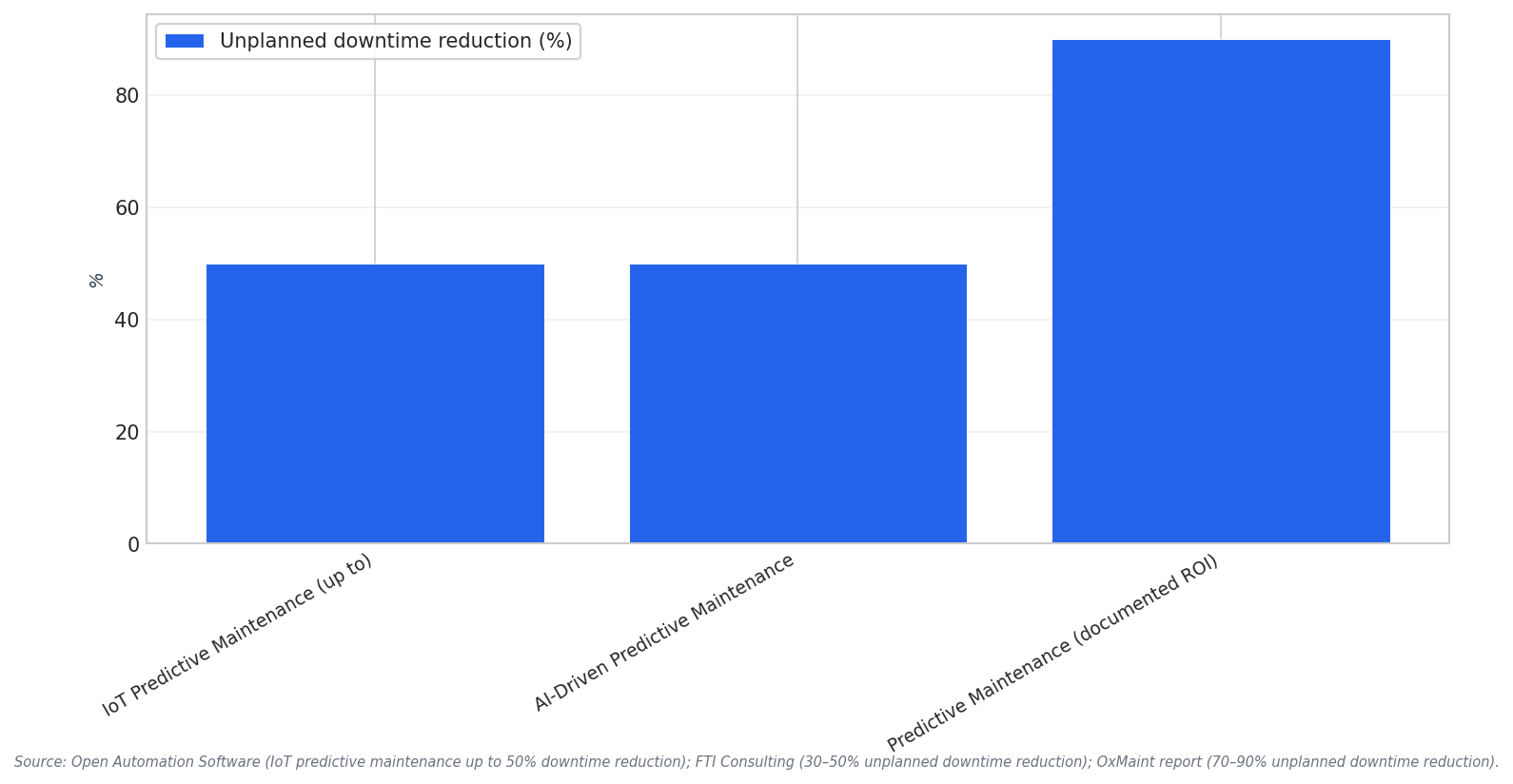
The chart below compares reported downtime reduction ranges from multiple sources. It uses percent ranges that are explicitly stated. Because these values come from broader industry sources, they are best read as directional benchmarks for connected mining and industrial maintenance programs rather than a guaranteed mine-specific outcome. Still, the consistent message is that moving from reactive work to sensor-driven, condition-based decisions can materially reduce unplanned downtime when teams act on alerts quickly and consistently.
From Sensor Signals to Work Orders
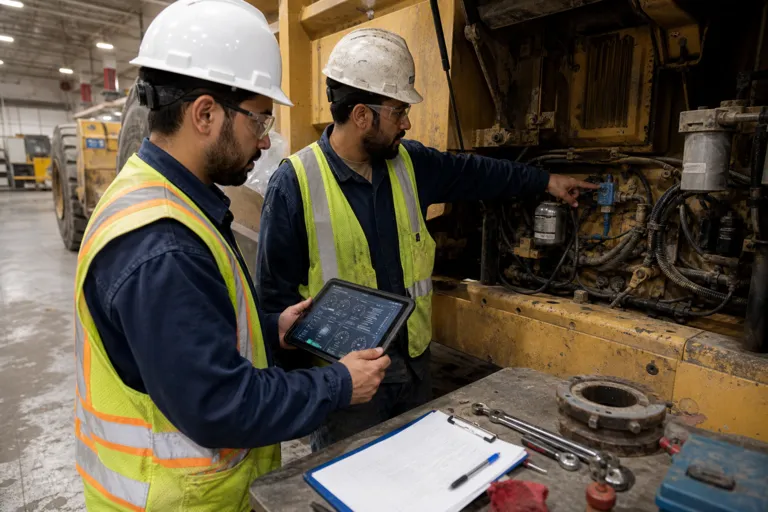
Connected maintenance only works if data becomes action. Modernizing mining maintenance emphasizes keeping data, people, and processes connected, with centralized asset management to improve visibility and automate work orders. IoT telemetry can track variables like vibration, temperature, pressure, and noise remotely, and trigger alerts when anomalous behavior is detected. AI-driven approaches add anomaly detection for sudden changes and fault detection for gradual deterioration. Recommended actions can be pushed into maintenance schedules via CMMS integration, email, or mobile apps. Industrial data platforms can connect PLCs, sensors, and industrial control systems to analytics platforms, making it easier to monitor equipment performance and trigger predictive maintenance workflows.
Digital mining tooling also reinforces the same operational loop. Predictive maintenance is described as a rapidly growing application as mining companies work to avoid machine failures and minimize unplanned downtime. Fleet and equipment management is highlighted as a dominating application because monitoring, scheduling, and alerts can automatically schedule maintenance when needed, preventing downtime and reducing operational costs. Integration with IoT sensors on a single software platform supports optimal resource use, safety standards compliance, and continuous operation at minimum costs. In practice, this ties reliability efforts to dispatching, parts planning, and safer, more predictable interventions.
Constraints still matter in mining environments. A key challenge is maintaining reliable communication networks in remote and underground settings. Without stable connectivity, sensor data cannot be transmitted effectively, limiting the impact of monitoring systems. Cybersecurity risks and infrastructure costs are also cited challenges for IoT in mining. For IoT mining Saudi Arabia programs, this means plans should explicitly address connectivity and secure data flows from sensors to analytics and CMMS execution. The strongest results come when monitoring, decision logic, and work management are designed as one connected system.
What is IoT mining Saudi Arabia in practical terms?
How much downtime reduction can predictive maintenance deliver?
What conditions can mining IoT sensors monitor underground?
How do teams turn sensor alerts into maintenance execution?
What is the biggest challenge for IoT in mining deployments?