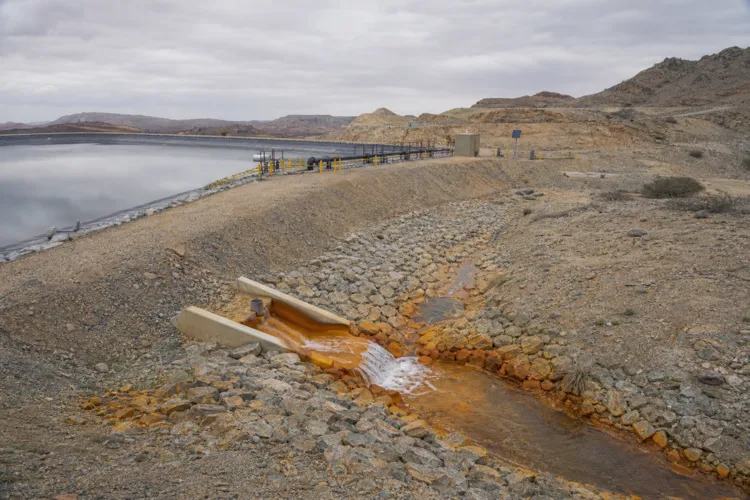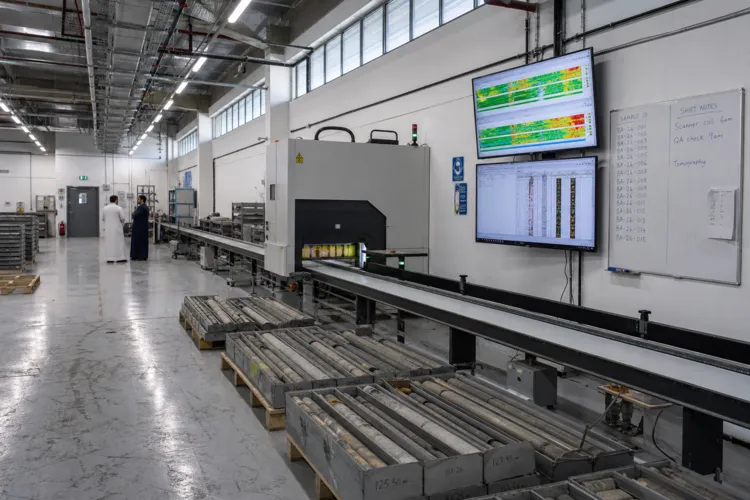
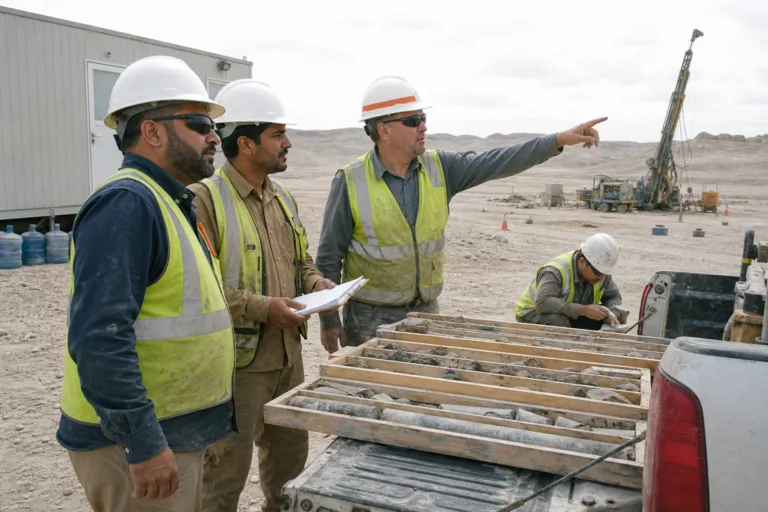
Interest in the Khnaiguiyah zinc copper project is rising inside a wider Saudi mining pivot. In the provided reporting, Saudi Arabia is framed as accelerating sector growth by making mining a central pillar of Vision 2030. Multiple sources describe the Kingdom’s push to broaden its economic base beyond hydrocarbons, and to attract foreign investment and new exploration activity. That macro context matters because it shapes licensing, partnerships, and the pace at which projects can move from early exploration into study work and, later, development decisions.
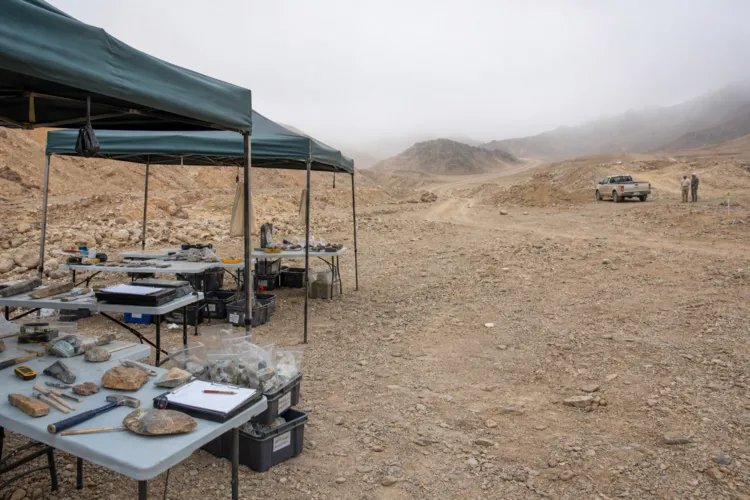
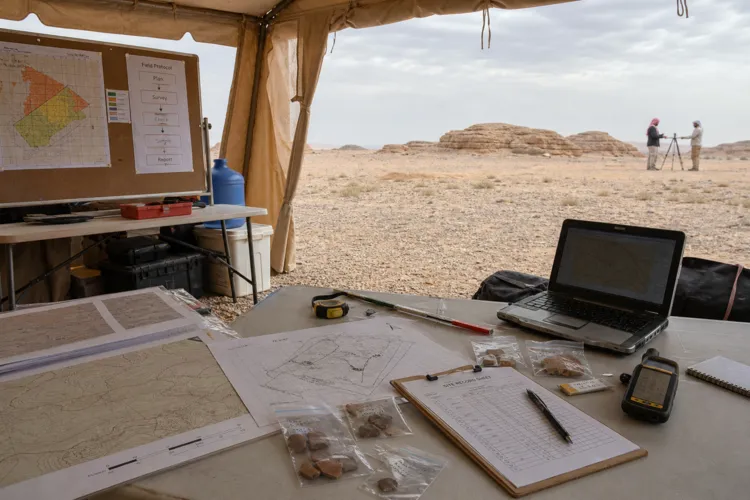
The clearest near-term benchmark in the sources is the Najran polymetallic discovery announced by Almasane Alkobra Mining Company (AMAK). AMAK said it discovered potentially economically viable copper, zinc, gold, and silver resources within one of its exploration licenses in the Najran region of southern Saudi Arabia. The company stated that exploration work across the concession site started immediately after receiving the license in September 2024. It also said it drilled more than 27,000 meters under an intensive programme that began in February 2025.
What the Najran Discovery Signals for Project Timelines
AMAK’s preliminary internal studies indicate a mineral resource of nearly 11 million tonnes, and the company said drilling so far covers less than 10% of the total license area, implying room for growth with further work. Reuters also reported that AMAK signed an agreement with Saudi Arabian Mining Company (Maaden) in December 2025 to exchange several exploration licenses. For readers tracking the Khnaiguiyah zinc copper project, these disclosures illustrate how quickly Saudi projects can move from license award into drilling, and how asset swaps and partnerships can reshape portfolios.
Demand-side narratives also matter for zinc and copper projects in the Kingdom. One source notes that copper is fundamental for electrical infrastructure, motors, and grid development, while zinc is linked to batteries, solar cells, and protective coatings. The same coverage cites International Energy Agency projections indicating a potential 250% increase in demand for critical minerals within five years under a Net Zero Emissions scenario, with some materials seeing up to a thirtyfold rise by 2040. These are global projections, but they are used in the sources to frame why discoveries and future mines can be strategically important.
Several 2026 milestones highlighted in the sources provide a template for what to watch across Saudi exploration-stage assets, including the Khnaiguiyah zinc copper project. Coverage points to a maiden JORC-compliant mineral resource report expected in the second half of 2026 for the Najran discovery, alongside development concept studies in 2026. It also flags ongoing exploration results throughout 2026 as a driver that could enhance resource estimates. Together, these steps show how the market may look for independently verified resources and clearer technical and economic signals before re-rating a polymetallic story.
Finally, Saudi mining activity is broadening through new licensing and joint ventures. IM Mining reported that Maaden and Hancock entered a joint venture in December 2025 to accelerate exploration efforts, covering exploration, development, mining, sales and marketing of minerals in licensed areas. Separately, Reuters reported Maaden’s growth focus and a plan to allocate nearly $2.5 billion annually over the next five years to develop local resources, including copper. These sector signals provide the operating backdrop as stakeholders assess where the Khnaiguiyah zinc copper project could fit within Saudi Arabia’s fast-evolving mining pipeline.
What is the Khnaiguiyah zinc copper project being evaluated against in Saudi mining news?
What did AMAK report about its Najran copper-zinc discovery?
Which 2026 milestones were highlighted that may matter for similar Saudi projects?
What global demand signals for copper and zinc were cited in the sources?