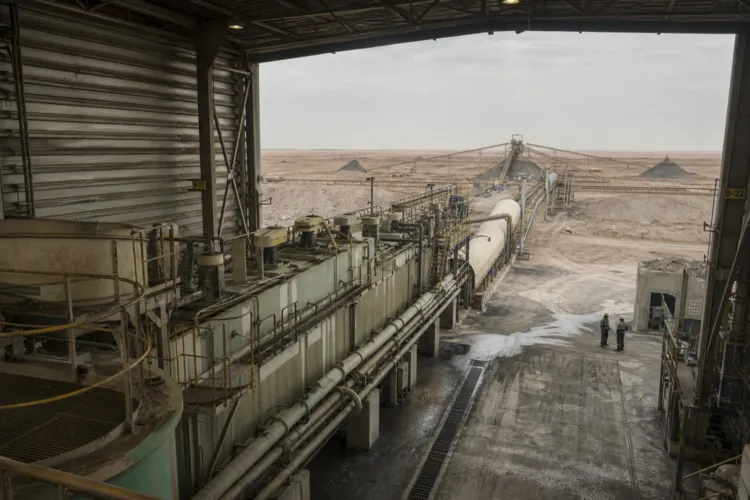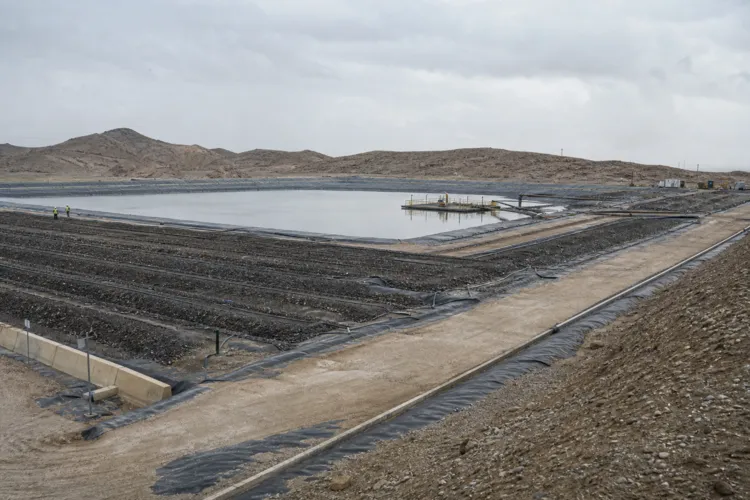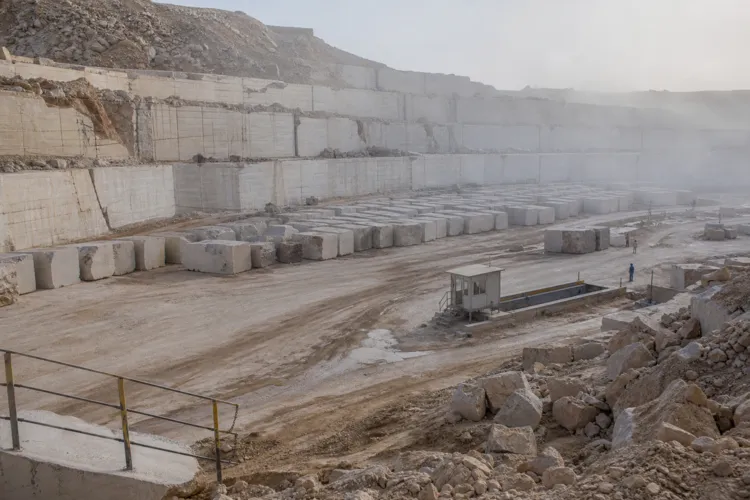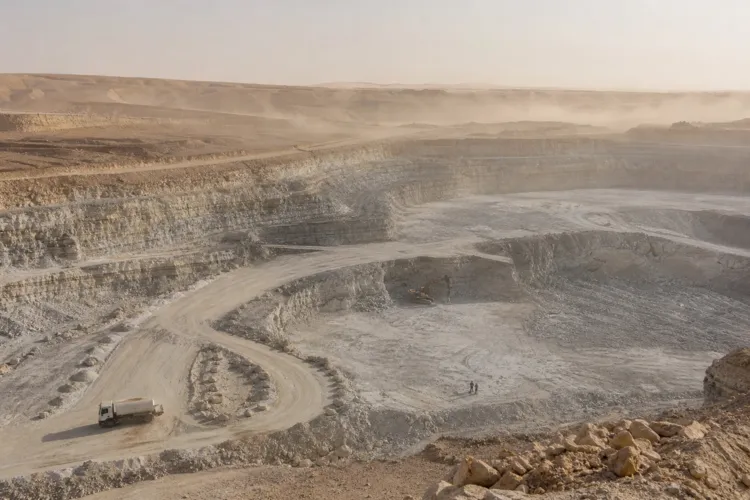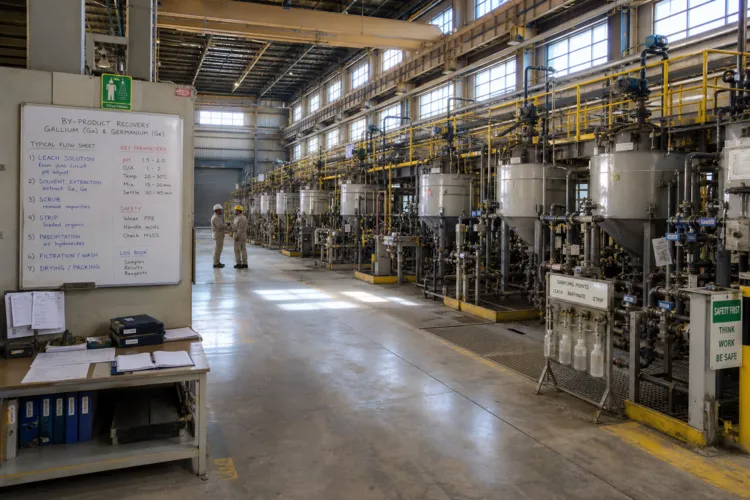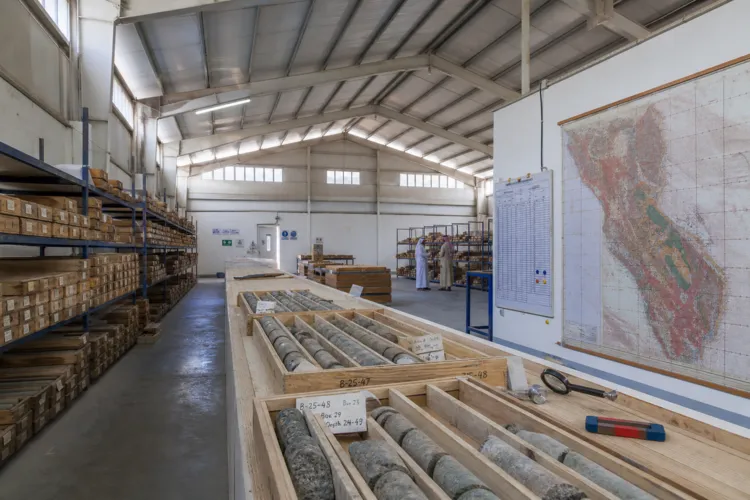
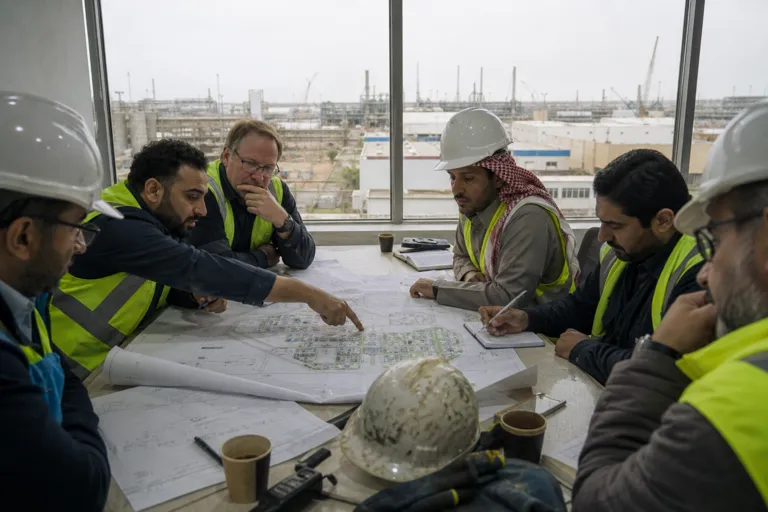
Northern Graphite agreed with family-controlled Saudi Arabian conglomerate Al Obeikan Group for Investment to jointly build and run a battery material plant in the kingdom. The proposed facility is planned for Yanbu’s industrial district. The project is framed around battery-grade graphite inputs used in lithium-ion batteries, where anode material is described as the largest component in the batteries that power electric vehicles. Northern also positioned potential growth in output over time against rising global demand for graphite anode materials sourced outside of China. The announcement also linked the plan to Northern restarting a dormant mine in Africa.
The plant is described as a $200 million build. The joint venture ownership split is set at 51% for Obeikan and 49% for Northern. Obeikan is expected to spearhead efforts to secure local debt funding required to finance the plant’s construction, development and commissioning. The build schedule is tied to a final feasibility study. Construction is expected to start in the second half of the year after that study is completed, and production is set for 2028. These milestones establish a clear path from feasibility to construction to operations for the graphite anode plant Saudi Arabia stakeholders are promoting.
Why Yanbu Matters and How Funding Could Come Together
Saudi Arabia is treating the Yanbu battery material facility as a strategic project, according to Northern Graphite CEO Hugues Jacquemin. That designation matters because it opens access to funding from the government-owned Saudi Industrial Development Fund (SIDF). In parallel, Jacquemin said Saudi Arabia “is investing a lot in the electrification of the country” and has “very ambitious goals to make batteries here.” Obeikan CEO Abdallah Obeikan said the partnership is aligned with the kingdom’s ambition to lead in advanced materials and clean energy supply chains, combining Northern’s expertise with Obeikan’s industrial knowledge and the strength of Saudi Arabia.
The broader market context in the sources helps explain the urgency around non-China supply chains for anode materials. Reuters reported that demand for anode materials, a core component of lithium-ion batteries, is rising with global growth in electric vehicles and renewable energy storage. The same Reuters report stated China has the world’s largest graphite reserves and dominates its mining and processing. Another source said Chinese companies produced about 90% of the global supply of refined graphite products in 2024. In this environment, new projects in different regions are being discussed as ways to reduce procurement risks and bolster supply-chain resilience across Asia and beyond.
Other announced moves underline how competitive the anode-material buildout has become, even if they are outside Saudi Arabia. A Reuters-linked report noted a non-binding letter of intent for $30 million to invest in NextSource’s graphite spheroidization and high-purity project in the UAE, acquiring a 15% interest, with a stated aim to produce 14,000 metric tons per year of anode material intermediates in Abu Dhabi. Separately, GlobalData reported Orion Resource Partners launched a $1.8bn Orion Critical Mineral Consortium, while a Canada-focused article referenced a $3.2 billion synthetic graphite plant project with a $670M loan from a province. Against that backdrop, the Yanbu JV is positioned as a Saudi-based step into advanced battery materials.
What is the graphite anode plant Saudi Arabia project?
When is the Yanbu plant expected to start construction and production?
Who owns the Northern Graphite–Obeikan joint venture?
How is the Saudi project expected to be financed?
Why are new anode-material supply chains being pursued outside China?