The Al Hajjar copper zinc belt sits within a national story that is becoming increasingly defined by exploration intensity and new licences. Saudi Arabia has stated an ambition to make mining the “third pillar of the national economy” under Vision 2030. A related target is to increase mining’s contribution to GDP from $17 billion in 2019 to $75 billion in 2030. Alongside that economic framing, Reuters reported the kingdom is accelerating efforts to tap deposits estimated at 9.4 trillion riyals ($2.50 trillion). This backdrop shapes how investors and operators look at prospective mineralized zones and the work programs that follow.
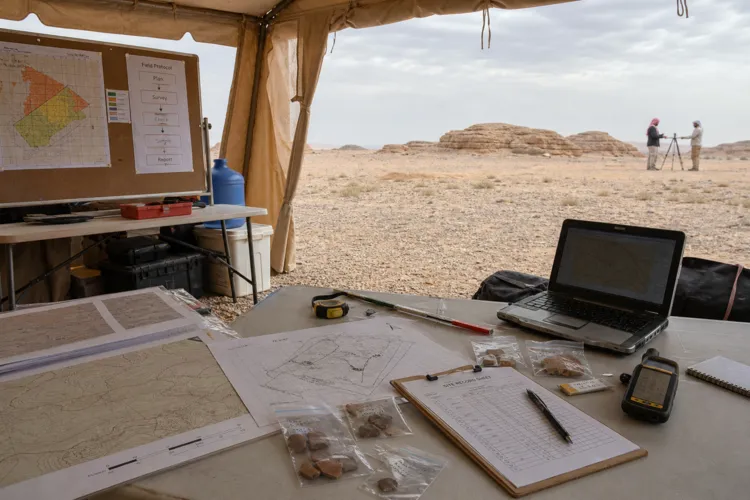
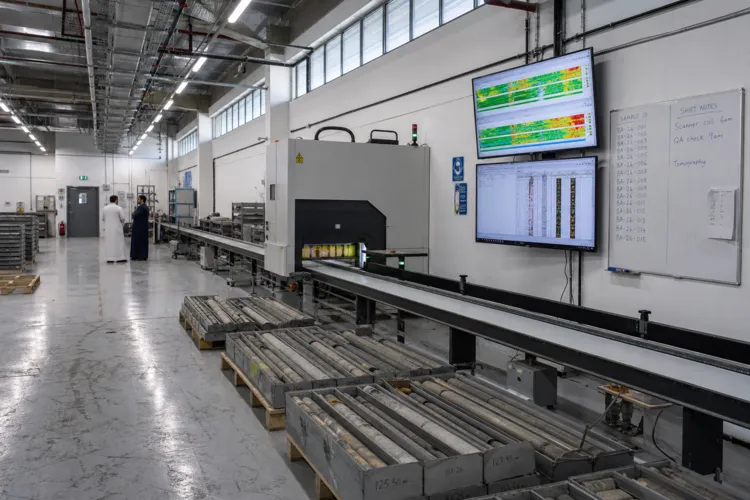
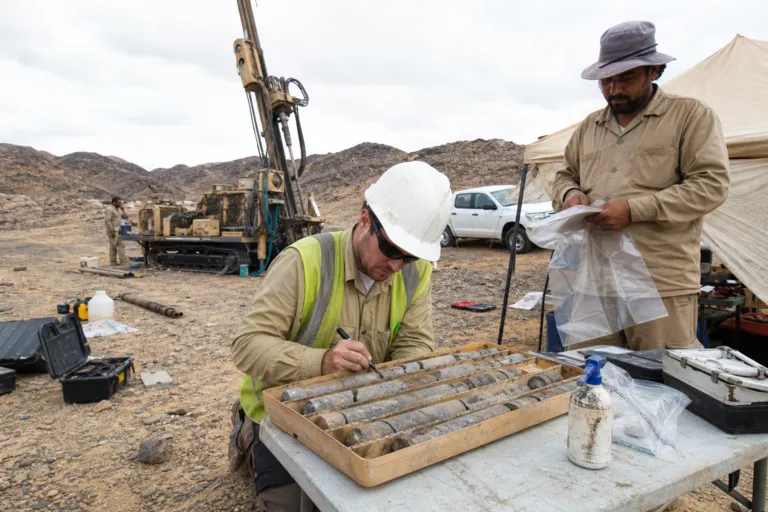
A key recent signal of exploration momentum came from Almasane Alkobra Mining Company (AMAK). The company said it discovered potentially economically viable copper, zinc, gold, and silver resources within one of its exploration licences in the Najran region of southern Saudi Arabia. Exploration work started immediately after AMAK received the licence in September 2024. AMAK also said it drilled more than 27,000 meters as part of an intensive program that began in February 2025. Preliminary internal studies indicate a mineral resource of nearly 11 million tonnes, with strong potential for further growth because drilling so far covers less than 10% of the total licence area.
What Makes Prospective Belts Stand Out to Explorers
Prospective belts gain credibility when timelines, drilling density, and reporting plans are clear. AMAK said it will continue geophysical surveys and additional drilling programs in 2026 to expand resource estimates. It also plans to publish its maiden mineral resource report in the second half of 2026, and market coverage highlighted expectations for a maiden JORC-compliant mineral resource report in that same window. For a zone discussed as the Al Hajjar copper zinc belt, this kind of cadence matters because it shows how quickly licence ground can move from early work to defined resources, even when current drilling coverage is still below 10% of the area.
Saudi Arabia is also widening the pipeline of exploration areas through national bidding rounds. Reuters reported the Industry and Mineral Resources Ministry opened a bidding round for three mineral exploration licences across a 13,000 square km area. The licences cover newly defined belts in regions including Madinah, Makkah, Riyadh, Qassim and Hail. The statement said these areas are prospective for gold, silver, copper, zinc and lead. For prospective mineralized zones, these rounds matter because they increase the number of active explorers, the number of targets tested, and the flow of new results into the market.
Major operators are also expanding exploration partnerships. A Maaden and Hancock Prospecting joint venture entered in December 2025 is set to conduct exploration, development, mining, sales and marketing of minerals in licensed areas in Saudi Arabia. The parties attended a Round 9 licence award ceremony during the Future Minerals Forum in Riyadh on 14 January 2026, following a successful bid for five exploration licences in the Nabita Ad-Duwayhi Gold-Belt. While this is a gold-belt example, it illustrates how the kingdom’s licensing system can bring in new technical teams and capital, which can be relevant for interest in belts such as the Al Hajjar copper zinc belt.
Demand narratives also influence why copper and zinc belts attract attention. Market coverage noted copper and zinc are key components for renewable energy technologies and electric vehicles, and cited International Energy Agency projections indicating a potential 250% increase in demand for critical minerals within five years under a Net Zero Emissions scenario, with some materials seeing up to a thirtyfold rise by 2040. These figures are global projections, not Saudi-specific demand. Still, they help explain why discoveries that combine copper and zinc with gold and silver can be framed as strategically important, and why drilling programs in southern Saudi Arabia are closely watched through 2026.
What is the Al Hajjar copper zinc belt discussed in this article?
What did AMAK report from its Najran exploration licence?
How much drilling has AMAK completed and how much of the licence has been covered?
When is AMAK planning to publish its first mineral resource report?
What exploration licensing activity did Reuters report in Saudi Arabia?