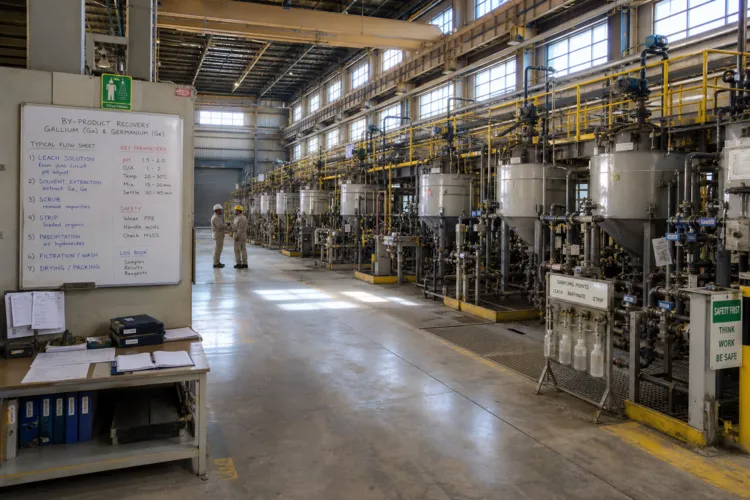
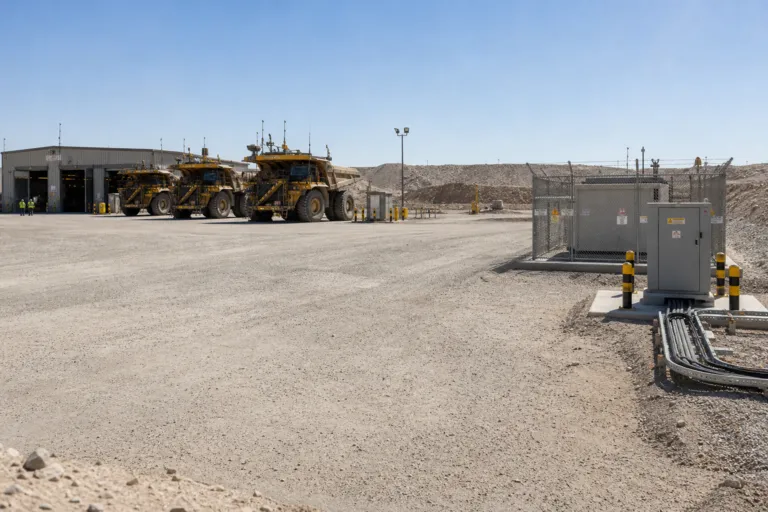
Modern mines increasingly rely on connected operational technology (OT). That shift improves visibility and remote operations, but it also expands the attack surface for process control networks and autonomous or remotely operated fleets. In Saudi Arabia, this risk sits inside a broader national push for digital transformation under Vision 2030, where the same connectivity that enables smart operations also exposes OT to cyber threats with physical consequences. OT incidents are not only about data. They can lead to equipment damage, production halts, and safety impacts. For mining cybersecurity in Saudi Arabia, the practical goal is to protect the systems that run the site, not just the office network.
Saudi critical infrastructure has already seen major cyber and disruption events, which shape how operators think about resilience. The 2012 Shamoon cyberattack against Saudi Aramco wiped data from 30,000 computers, demonstrating that large-scale disruption can spread beyond a single system. Darkstone also notes that the Saudi National Cybersecurity Authority reported a 55% surge in cyberattacks in 2022 compared to 2021, reinforcing the direction of travel. While mines are not identical to oil and gas, they share OT building blocks such as industrial control systems (ICS) and supervisory control and data acquisition (SCADA). They also share operational constraints: many control environments include legacy systems designed decades ago and industrial equipment lifecycles that can run for 20–30 years.
What OT Security Must Cover in Saudi Mining Sites
In a mine, OT security typically spans SCADA, programmable logic controllers, distributed control systems, and the industrial networks and protocols that connect them. Mines also depend on availability and safety, which makes security different from IT. Emergen Research highlights a core constraint: OT environments are operationally sensitive, and security tool deployment must not interrupt or degrade the processes they protect. That is why many operators prioritize monitoring, segmentation, and controlled access over disruptive change. Mordor Intelligence also points to the broader threat picture in industrial settings: manufacturing accounted for 25.7% of reported industrial cyber incidents in 2023–2024, and state-aligned groups increased attacks on energy, transport, and water assets by 49% during 2024. These figures are not specific to Saudi mines, but they show why layered defenses and continuous monitoring matter for industrial operations.
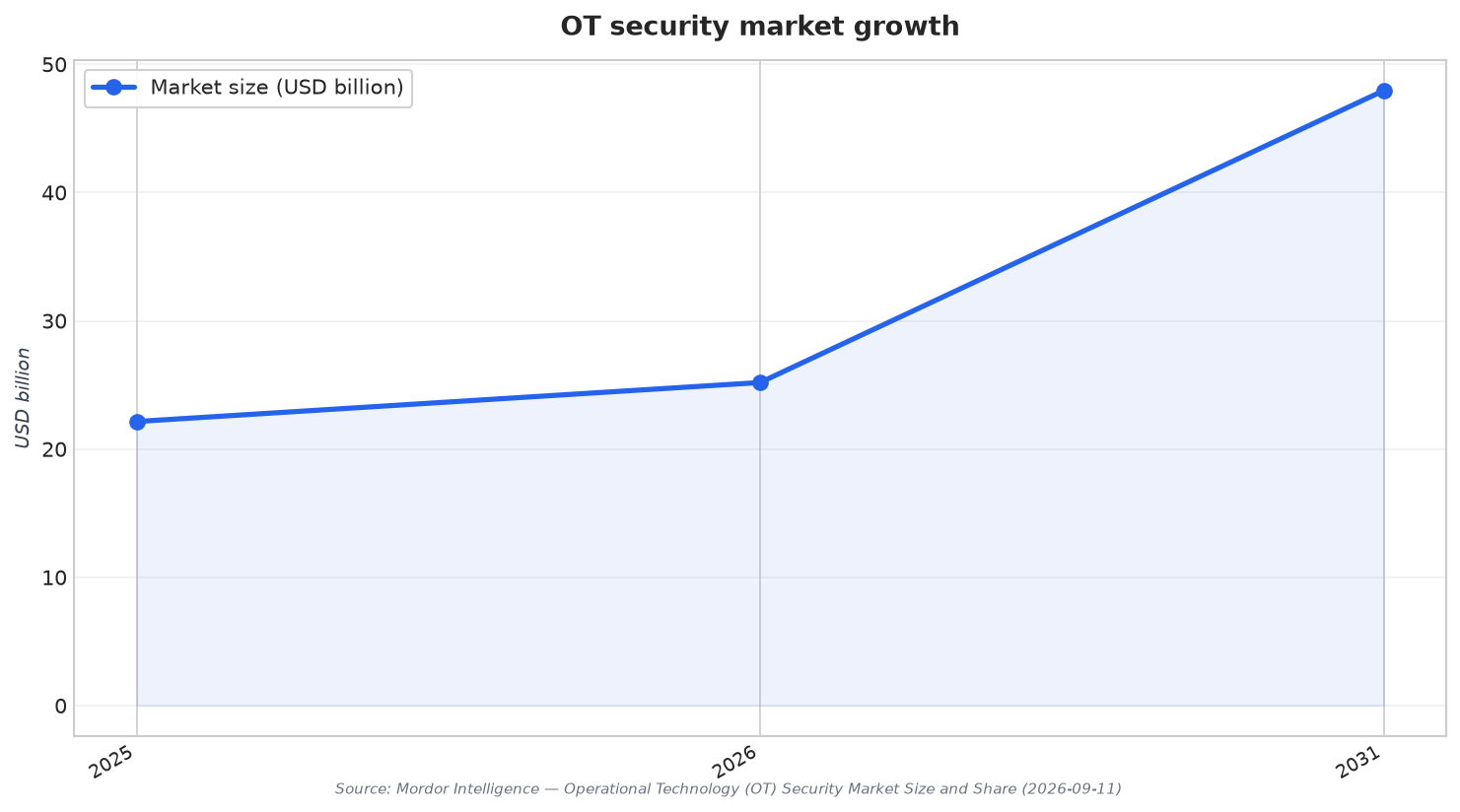
Budget and vendor attention are following this risk. Mordor Intelligence forecasts the global OT security market growing from USD 22.15 billion in 2025 to USD 25.19 billion in 2026, reaching USD 47.95 billion by 2031 at a 13.74% CAGR over 2026–2031. It also reports that solutions held 62.34% share in 2025, while services are projected to expand at a 17.92% CAGR to 2031, reflecting demand for specialist help amid an OT skills gap. For deployment, Mordor notes on-premises retained 70.42% revenue share in 2025, while cloud deployments have the fastest projected CAGR at 20.85% through 2031. For mine operators, this aligns with hybrid realities: keep critical control networks stable on-site, but consider scalable analytics and managed response where operationally acceptable.
For protecting autonomous fleets and process plants, focus on the controls that reduce the chance of unsafe command paths and hidden manipulation. Mordor reports network monitoring captured 46.05% share of the OT security market size in 2025, and it flags malware targeting controllers, noting that IOCONTROL targeted programmable logic controllers to enable covert manipulation of process variables. Market.us similarly emphasizes industrial environments that need specialized platforms to protect programmable logic controllers and supervisory control networks, and it reports that network monitoring and anomaly detection held 40.6% share. In Saudi context, Emergen Research states that Saudi Arabia and the UAE have invested significantly in OT security following the 2012 Shamoon wiper malware attack. Taken together, the most defensible path for mines is to build visibility first, enforce identity and access control on OT pathways, and pair detection with a response plan that respects uptime and safety.
How does mining cybersecurity in Saudi Arabia differ from IT security?
What Saudi cyber event is often cited as a turning point for OT risk awareness?
What do sources say about the rise in cyberattacks in Saudi Arabia?
Which OT security capabilities are commonly emphasized for industrial control environments?
What is the global OT security market growth outlook cited in the sources?