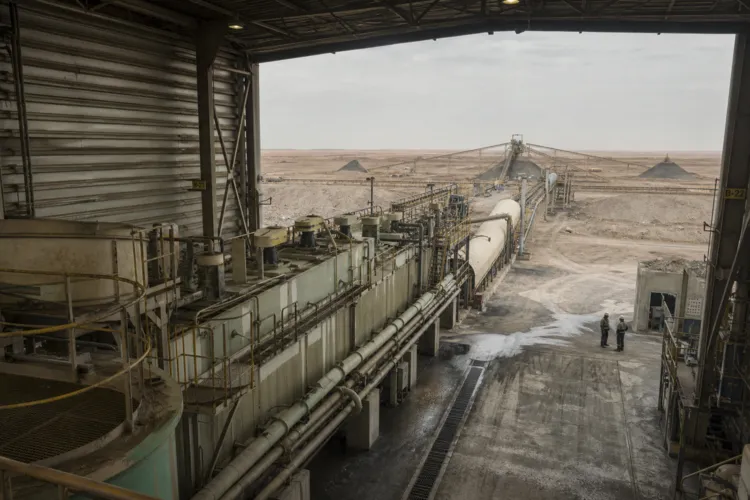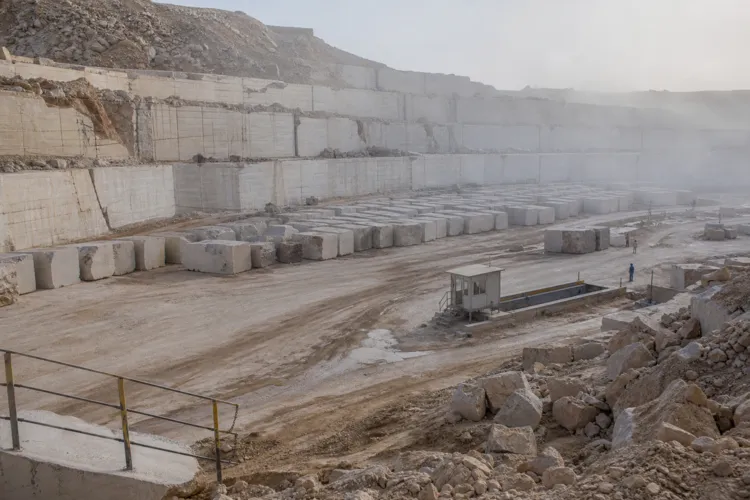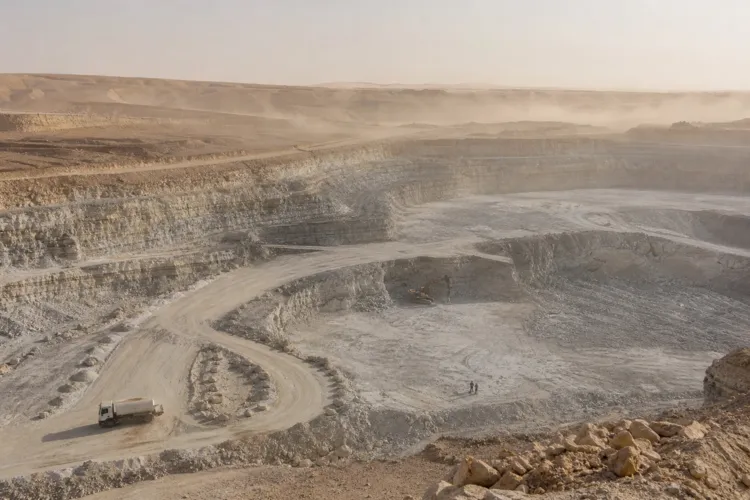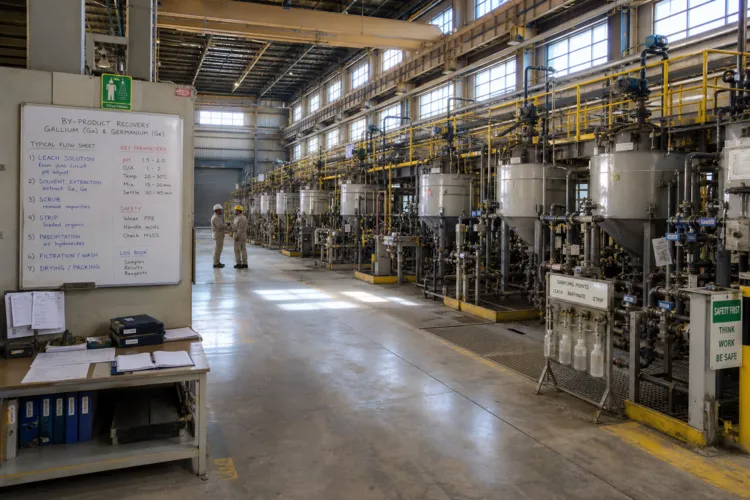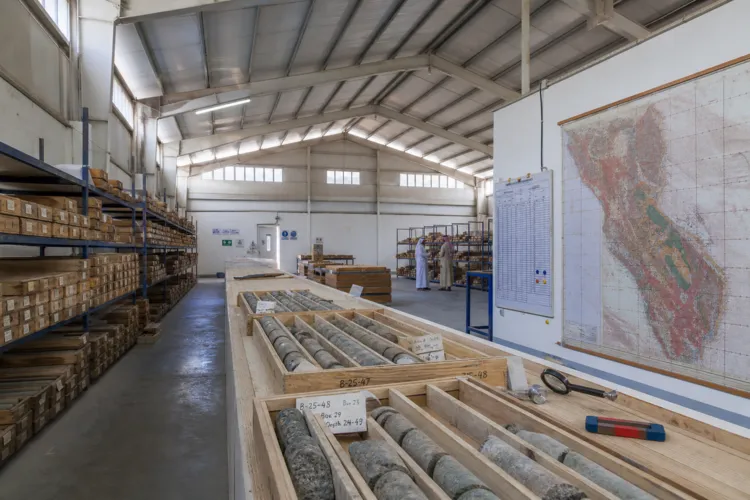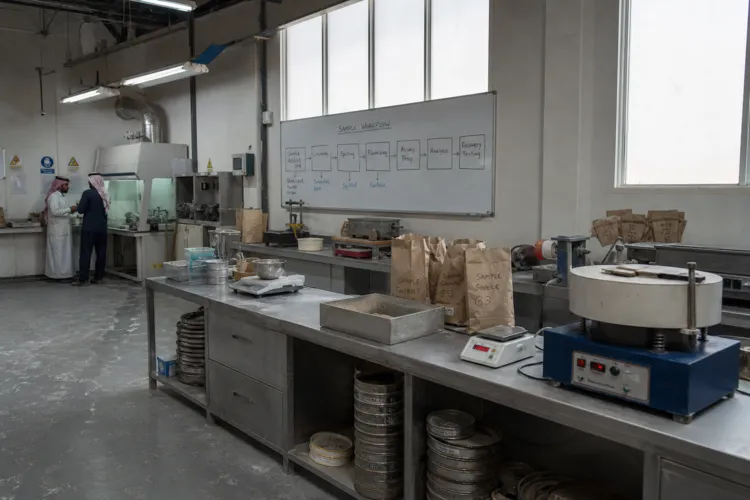
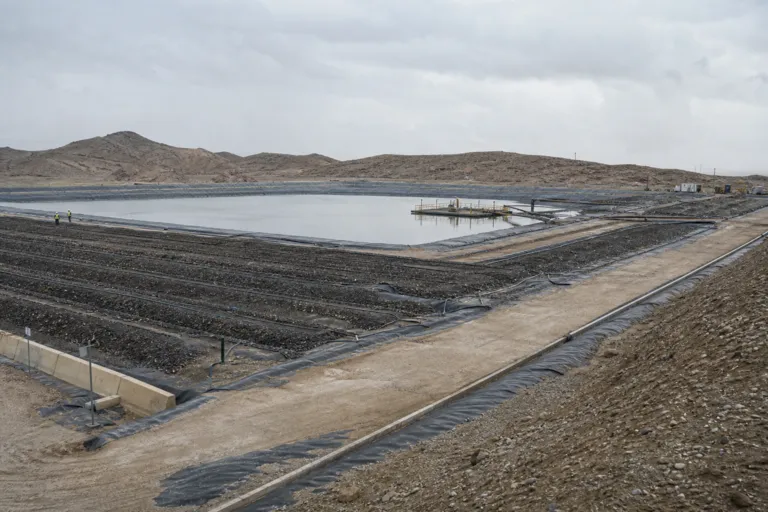
Gold mining in Saudi Arabia is being positioned as part of Vision 2030’s push to diversify beyond hydrocarbons, with activity concentrated across the Arabian Shield. Sector analysis describes Saudi output as modest by global standards, placing it in the range of several hundred thousand ounces per year, while also emphasizing that the Arabian Shield remains substantially underexplored with modern techniques. Within that operating landscape, Ma’aden is described as the dominant producer in the Kingdom and a state-owned multinational headquartered in Riyadh, established in 1997 by royal decree. It operates multiple gold mines across the Shield, and industry overviews highlight Bulghah as an open-pit heap-leach operation designed to process lower-grade gold ore.
The technical reason heap leaching matters is straightforward. A process guide notes that heap leaching enables economic extraction from ores with gold grades as low as 0.2–1 g/t, which might otherwise be treated as waste in traditional operations. It also reports that typical heap-leach recovery ranges between 50–80%, depending on ore type and design optimization, and it flags cyanide and lime consumption as major operating cost drivers. It adds that heap leaching can consume less electricity, water, and reagents, with many costs tied to stacking ore, adding reagents, and managing solutions. This helps explain why an open-pit heap-leach mine can be a practical fit when ore is described as lower grade.
Sukhaybarat and Bulghah: Operational Precedents in a Licensing Belt
Several sources pair Bulghah and Al-Sukhaybarat as named, principal mines on the Arabian Shield in the west of the Kingdom. A Saudi Geological Survey-oriented guide, citing Saudipedia, lists five principal gold mines: Mahd adh-Dhahab, Al-Sukhaybarat, Bulghah, Al-Amar, and Al-Hajar. A separate Round 10 licensing explainer frames the Sukhaybarat/Al-Safra zone as one of the most diverse multi-metal suites in the Kingdom’s exploration pipeline, with potential across gold, copper, silver, zinc, and nickel. In that same context, it points to advanced projects including the Sukhaybarat and Bulghah mines as geological precedents within the belt, and it argues that existing operations can provide advantages such as established metallurgical data, proven geological continuity, and nearby processing infrastructure that could reduce capital requirements for future discoveries.
Company history sources also place Sukhaybarat early in Ma’aden’s development, describing how the company began concentrating on gold mining operations from its 1997 founding and targeted Sukhaybarat and similar prospects as it worked to modernize extraction in a then-nascent mining infrastructure. That corporate scale has since expanded sharply. One company profile states Ma’aden manages 17 operational sites, employs over 6,800 people, and exports to more than 30 countries. It also reports a 24% year-on-year revenue increase to SAR 27.9 billion ($7.44 billion) for the first nine months of 2025 and a 91% surge in net profit to $1.51 billion. In parallel, the licensing explainer describes an Exploration Empowerment Program that can provide financial assistance of up to SAR 7.5 million per application, reinforcing how operational mines and structured licensing can interact around belts that include Bulghah and Sukhaybarat.
For readers tracking the Bulghah gold mine Saudi Arabia topic specifically, the key takeaway is not a single headline number, but the operational logic linking low-grade ore to heap leaching and linking existing mines to new exploration. Bulghah is described as an open-pit heap-leach operation processing lower-grade gold ore, while Sukhaybarat is repeatedly cited as a principal mine and an advanced project that sets geological precedents for the surrounding zone. Together, they sit inside a broader national mining push where Ma’aden is the dominant operator across multiple Shield assets, and where structured licensing rounds and per-application support can encourage more work around known belts and proven mine corridors.
How does heap leaching make low-grade gold ore economic?
Why is Bulghah described as a heap-leach mine?
What connects Sukhaybarat and Bulghah in Saudi Arabia’s licensing focus?
Which mines are named as principal gold mines on the Arabian Shield?
What support can explorers receive under Saudi Arabia’s licensing architecture?