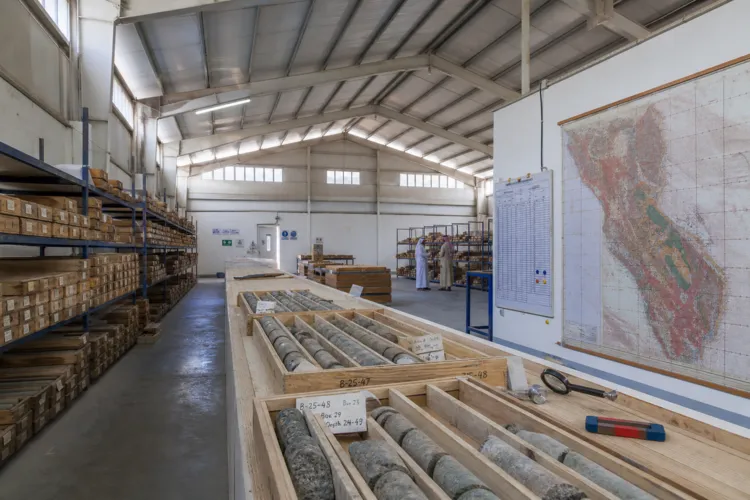
Saudi Arabia’s Jabal Sayid announcement in the Madinah Region has put heavy rare earths back at the center of supply-chain planning. At the International Atomic Energy Agency (IAEA) General Conference, Saudi Energy Minister Prince Abdulaziz bin Salman cited exploration and geological studies indicating about 110 million tonnes of ore with high concentrations of rare earth minerals, especially heavy elements, alongside uranium. Another report described 114 million tonnes of ore from the same event, reflecting source variation rather than a different project. What stands out is not only ore tonnage, but the contained heavy rare earth estimate that outside analyses link to a global ranking.
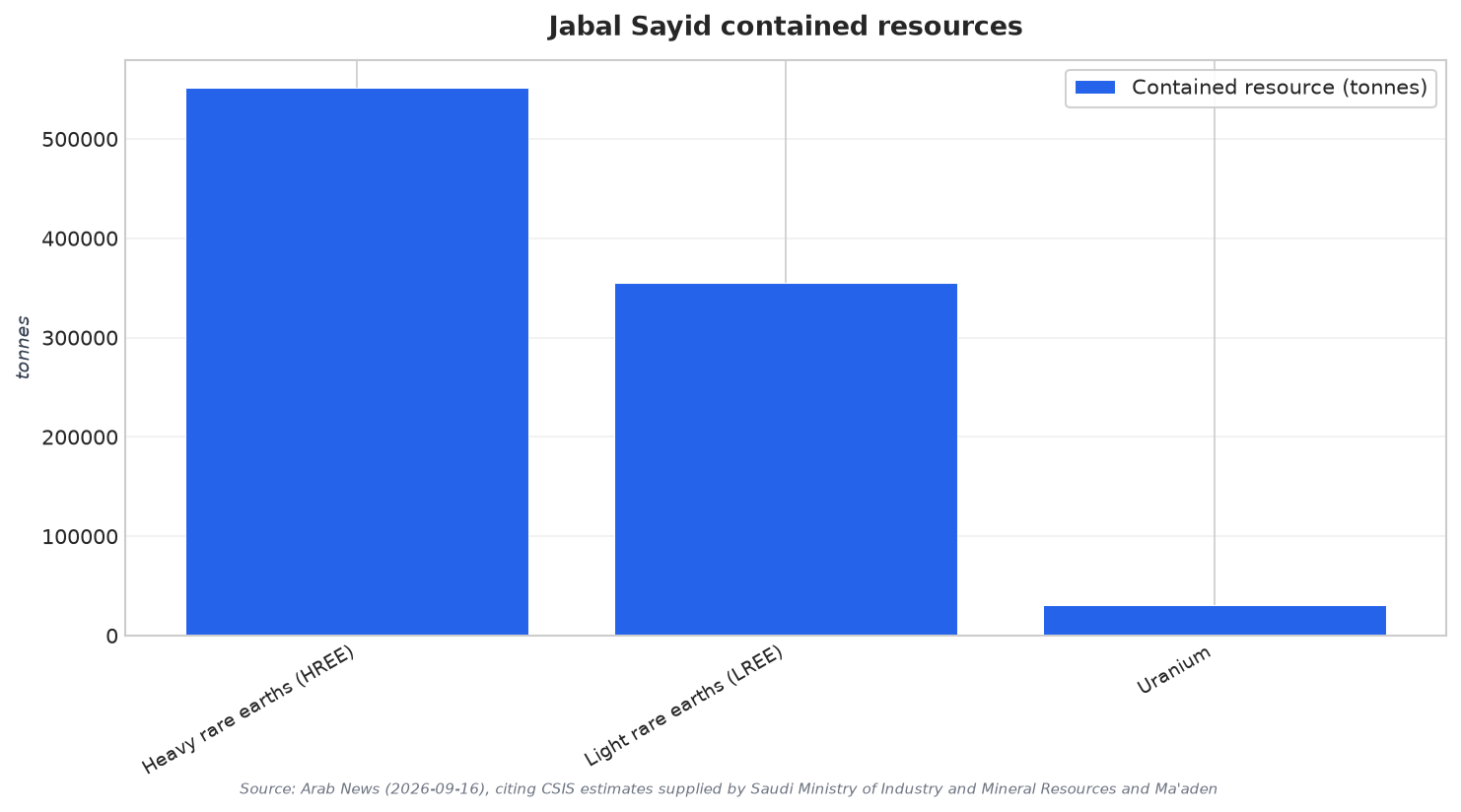
Across multiple reports citing Saudi Ministry of Industry and Mineral Resources, Ma’aden, and the Center for Strategic and International Studies (CSIS), Jabal Sayid is described as holding about 552,000 tonnes of heavy rare earth elements, primarily dysprosium and terbium. The same set of estimates also cites about 355,000 tonnes of light rare earths, including neodymium and praseodymium, and about 31,000 tonnes of co-located uranium. Several sources state that CSIS and Saudi assessments rank the deposit fourth globally by this heavy rare earth resource framing. The site is located roughly 350 km northeast of Jeddah, within the Arabian Shield.
Why Dysprosium and Terbium Change the Conversation
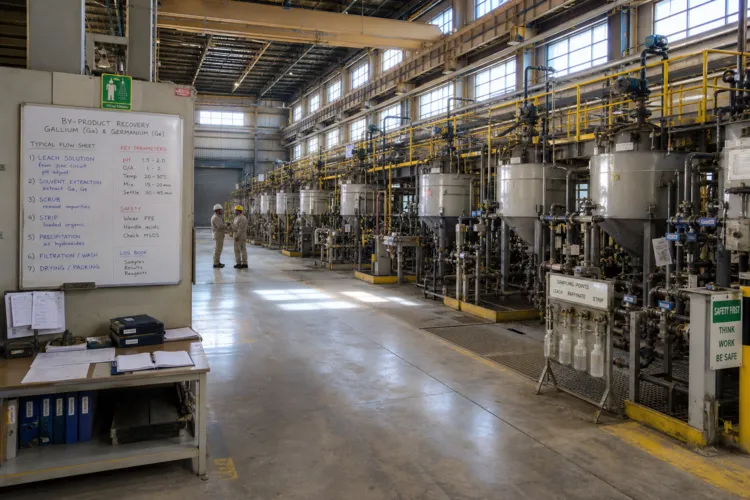
The heavy rare earth profile is repeatedly presented as the strategic core of the project. Sources link dysprosium and terbium to high-performance permanent magnets, describing their use in specialized technologies and high-temperature applications. They are also tied to defence systems, including guidance systems, electric motors in combat aircraft, submarine propulsion, and precision munitions. That framing helps explain why the deposit is positioned as more than a mining story. It is pitched as a magnet-metal opportunity, where downstream processing and industrial partnerships matter as much as the geology that hosts the elements.
Industrial deal structures are already being attached to the resource narrative. One account states that MP Materials and Ma’aden formed a strategic joint venture spanning mining, separation, refining, and magnet production, and that the U.S. Department of Defense holds equity in the planned Saudi refinery. Another report describes a binding agreement signed in November 2025 involving MP Materials, the U.S. Department of War, and Ma’aden to build the region’s first rare earth refining facility. Separately, civil nuclear cooperation agreements signed between the U.S. and Saudi Arabia in July 2026 are described as creating a formal framework for the uranium component, placing it under international nuclear governance from the outset.
Even with large headline resource figures, multiple sources emphasize what is not yet public. No ore grade has been released, and there is no published element distribution, recovery rate, or economic study, meaning viability cannot be independently assessed. One analysis also cautions that this is an expansion of a known system rather than a brand-new find, noting that geologists have known about unusual mineralogy in the area since at least a 1956 radiometric survey. In other words, the Jabal Sayid rare earth discovery is big on reported scale and partnerships, but still early on the evidence needed to judge project economics and timelines.
What did Saudi Arabia report at Jabal Sayid in the Madinah Region?
How much heavy rare earth resource is attributed to Jabal Sayid, and which elements are highlighted?
What other materials are cited alongside heavy rare earths at Jabal Sayid?
What partnerships are described around refining and magnets?
What is still unknown about the Jabal Sayid rare earth discovery’s commercial viability?