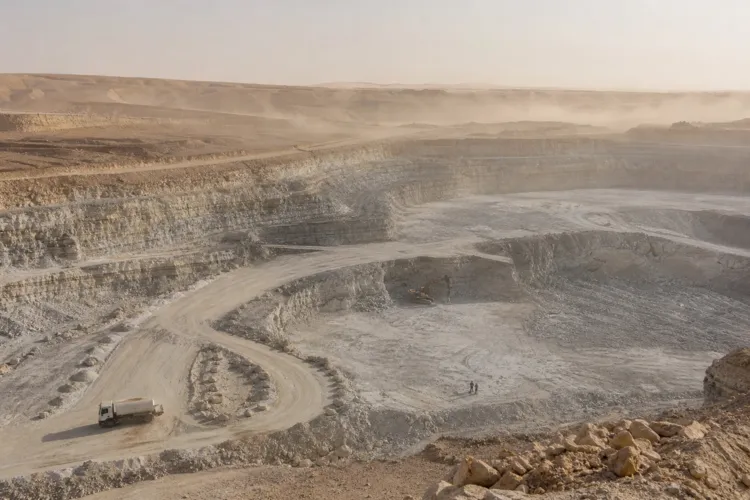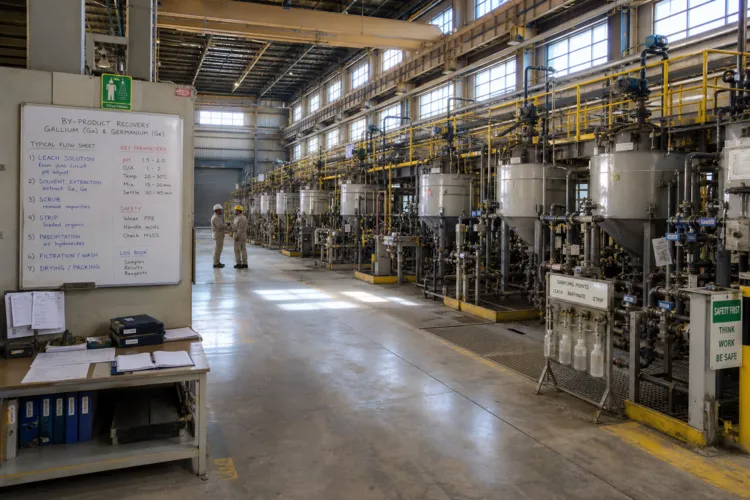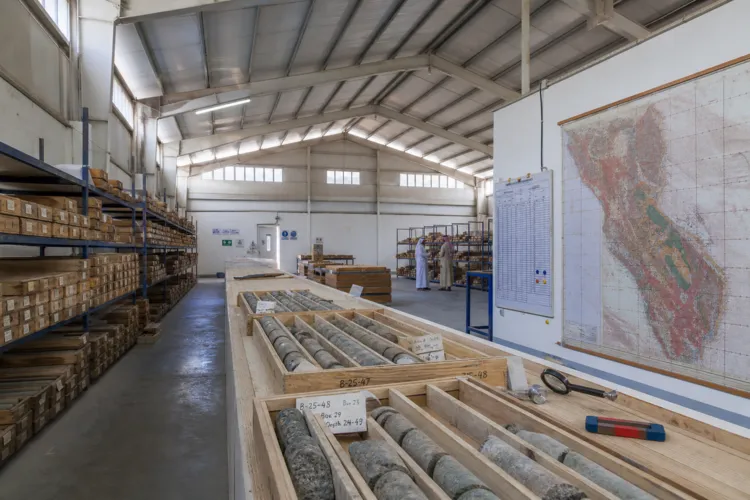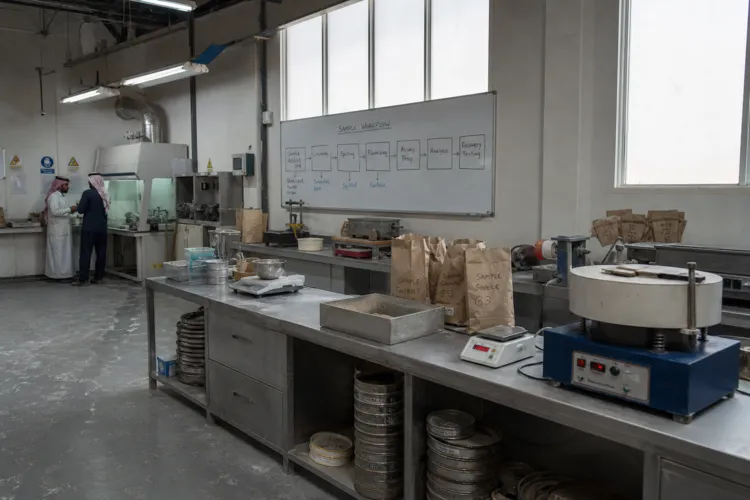
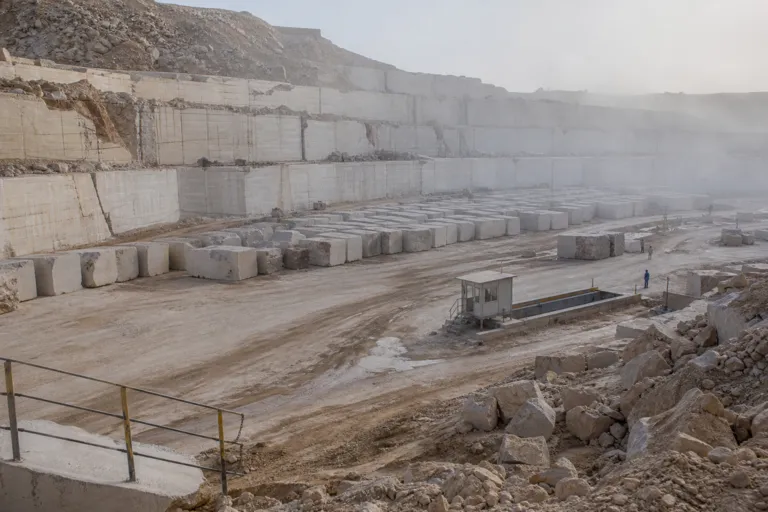
Saudi Arabia’s dimension stone industry sits at the intersection of quarry output, processing capability, and a fast-moving construction pipeline. Global definitions matter because they frame what project buyers ask for: dimension stone is natural rock extracted in blocks and then fabricated into slabs, tiles, and specified finishes used in construction and monuments. Granite and marble anchor the premium end of that chain. Granite is positioned for structural and heavy-traffic uses because compressive strengths can exceed 200 MPa, while marble is used for luxury interiors and monuments because it takes a high polish and highlights veining. In the Middle East, including Saudi Arabia and the UAE, large investments in residential complexes, commercial buildings, and public infrastructure are repeatedly cited as drivers that raise demand for granite and marble across flooring, cladding, facades, paving, and landscaping.
Trade indicators underline how demand is being met. Gulf Cooperation Council (GCC) states import over 3.2 million m² of granite annually, and Saudi Arabia ranked among the top ten global importers of natural stone in 2023 with about 0.8 million m² of granite. Those figures point to an active pull from projects that need consistent volumes, finishes, and delivery schedules. They also show that “granite and marble quarrying Saudi Arabia” is not only about what comes out of the ground, but also about how the market balances domestic sourcing with imported supply. At the same time, Saudi-focused market coverage notes that domestic demand is shaped by household and industrial usage, with trade flows linking local supply to imports and exports, reinforcing the idea that quarrying, processing, and logistics operate as one value chain.
What Changes Quarry Economics and Quality at Scale
Across the broader dimension stone value chain, technology and quality requirements are reshaping competitiveness. Quarry automation and digital templating are reported to compress yield loss from 35% to under 12%, shifting advantage toward operators able to invest in capital-intensive systems and secure block reserves. Quality discipline matters because the global granite supply industry is described as fragmented, comprising over 4,000 independent quarries and stone processors, and up to 35% of shipments can fail quality inspection in destination markets due to flaws such as veining or micro-fractures. For context on the receiving end of that risk, U.S. import rejections of stone product shipments due to defects were 3.2% of total volume in 2023. These benchmarks help explain why Saudi buyers often emphasize consistency, documentation, and predictable fabrication outcomes.
Market structure provides more context for how Saudi Arabia fits into global supply. In 2024, the Middle East & Africa region accounted for roughly 5–7% of global granite consumption, described as a smaller base but a high-growth zone. Globally, the dimension stones market is valued at $6.87 billion in 2025 and is expected to reach $7.22 billion in 2026, with forecasts to $9.15 billion by 2030 at a CAGR of 6.1%. Natural stone reporting also highlights product and application mix: granite accounted for the largest revenue share of 39.7% in 2025, and the commercial application segment held 41.5% revenue share in 2025. For Saudi Arabia, these global splits help frame why commercial builds, public spaces, and large-scale developments often specify granite and marble in high-visibility areas.
On the local market lens, one report values the Saudi Arabia granite market at approximately USD 40 million and ties it to demand from residential and commercial projects, alongside government and utilities projects supported by mandates for local content. The same source notes stricter environmental regulations for mining and quarrying activities in Saudi Arabia, and it estimates future increased operational costs at SAR 50 million collectively to meet environmental standards. This combination of cost pressure and project pull-through is why quarry-to-fabrication strategies, controlled logistics, and reliable quality checks become central to winning large specifications. In practice, the industry’s next step is less about any single quarry and more about building a repeatable, compliant supply chain that can serve both everyday building needs and giga-project expectations.
How does granite and marble quarrying in Saudi Arabia connect to big construction projects?
What do import figures suggest about Saudi Arabia’s stone demand?
Which technologies are changing quarry efficiency in dimension stone?
What quality risks affect global granite shipments?
What regulatory cost pressure is mentioned for Saudi quarrying activities?