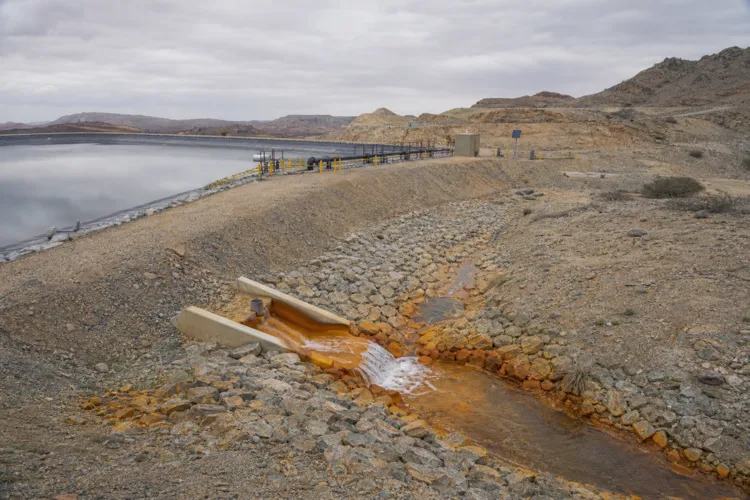
Mine biodiversity restoration Saudi Arabia needs to be built into project design, not added later. One analyst view is that the most cost-effective way to mitigate biodiversity-related risks is to act now to protect and restore biodiversity on and off mining sites. That starts with mapping where operations intersect with nature, and then setting clear accountability at board level for biodiversity performance. This matters because developing a new mining site requires huge land use change that can drive habitat destruction, soil degradation, and vegetation removal, and can even lead to species extinction. Mining can also produce toxic pollutants such as mercury and cyanide, which can contaminate soil, water, and air.
For Saudi Arabia, the arid context changes how restoration has to work on the ground. Mining expansion is described as incorporating comprehensive environmental management systems and community engagement programmes from the outset. Water management is highlighted as a particular challenge in the Kingdom’s arid climate, where operations must use efficient water systems and recycling technologies. A practical arid-site framework therefore begins with water-aware disturbance planning. It emphasizes reducing footprint, avoiding sensitive areas, and preparing sites so that restoration can succeed under drought pressure, rather than depending on high water inputs that are harder to sustain.
A Practical, Arid-Site Restoration Framework for Saudi Mines
Step one is risk-based planning and governance. A five-part risk lens is presented for biodiversity loss: physical risk, regulatory risk, market risk, financing risk, and reputational risk. Use mapping to locate overlaps with habitats, then assign board-level ownership for performance so actions survive schedule pressure. Step two is impact minimisation during site preparation and extraction. The same analyst guidance points to tactics such as avoiding sensitive areas, reducing footprint, restoring land, and using compensation or biodiversity credits where necessary. In parallel, Saudi’s reform direction stresses good governance, streamlined licensing, and robust sustainability and environmental protections.
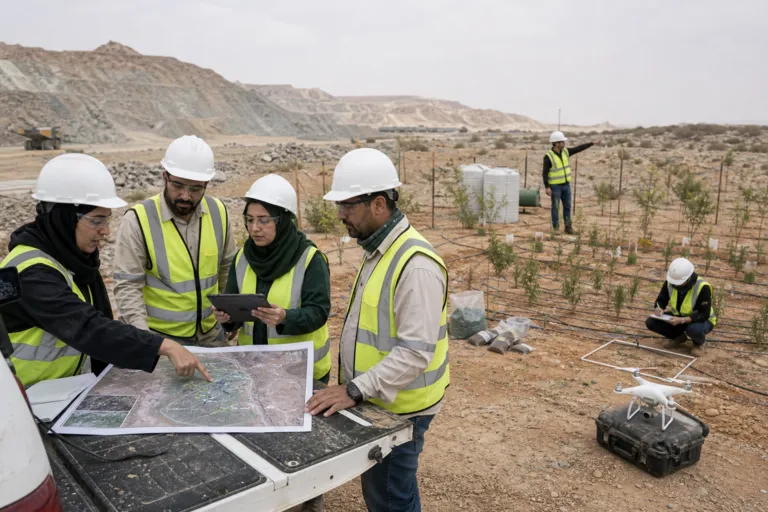
Step three is habitat reconstruction with nature-based solutions that fit arid conditions. Suggested actions include restoring habitats, stabilising slopes, improving soils, planting native species, and rewilding landscapes wherever possible. Evidence from a mining restoration case using advanced monitoring highlights that planting indigenous vegetation is crucial for stabilising disturbed land, enhancing biodiversity, and preventing soil erosion. It also notes that water-efficient techniques and drought-resistant species are essential in arid contexts. In that same set of findings, ecological efforts increased vegetation cover by up to 266%, supporting biodiversity recovery and soil stability against erosion.
Step four is monitoring, rapid intervention, and sector-wide operating discipline. Real-time data collected through IoT sensors enabled immediate interventions such as adjusting water sprays or activating dust suppressants, contributing to improved outcomes. In Saudi mining commentary, tools like carbon footprinting and fleet management are presented as ways to measure, mitigate, and transparently report environmental impact, alongside water recycling, tailings management, and biodiversity conservation measures implemented sector-wide. Step five is scale-up through proven greening programs. A 2013 initiative around Al-Jalamid Phosphate Mine reclaimed mining lands and planted over three million native trees adapted to local climatic conditions, establishing a nature reserve that protects soil from erosion and provides food for wildlife.
What does “mine biodiversity restoration Saudi Arabia” mean in practice?
Why is water planning central to restoration in Saudi mine sites?
Which restoration techniques are highlighted for disturbed arid land?
What role can monitoring technology play in biodiversity outcomes?
Is there evidence of large-scale greening linked to Saudi mining areas?