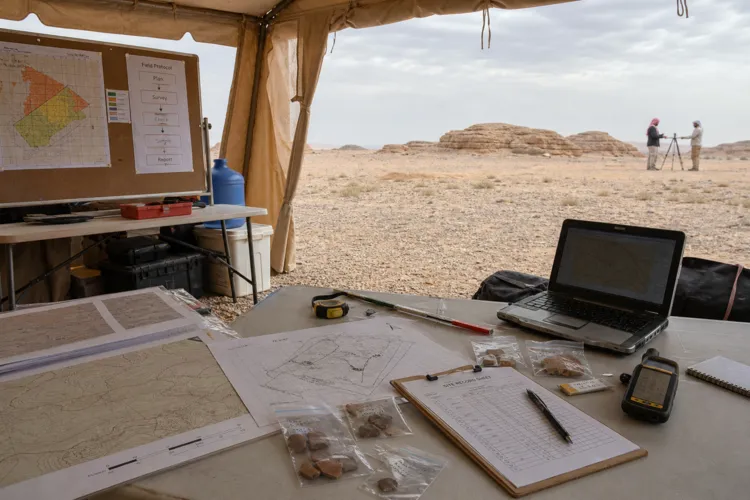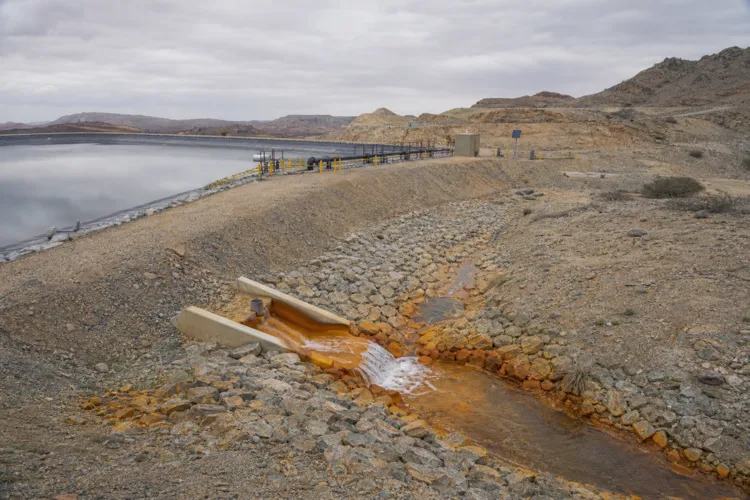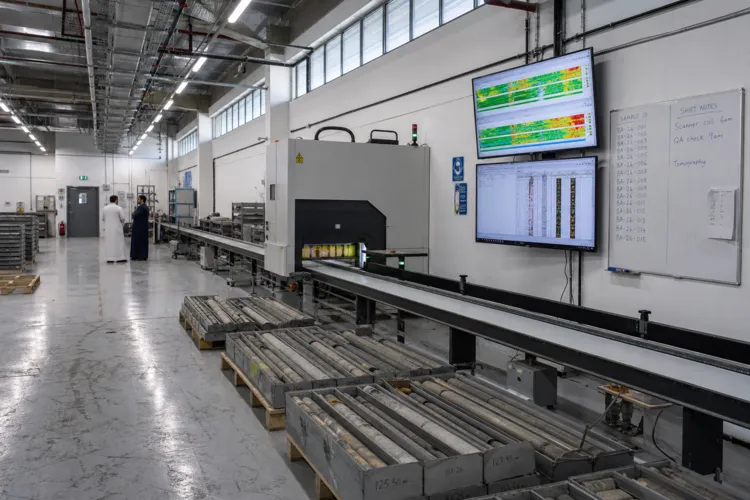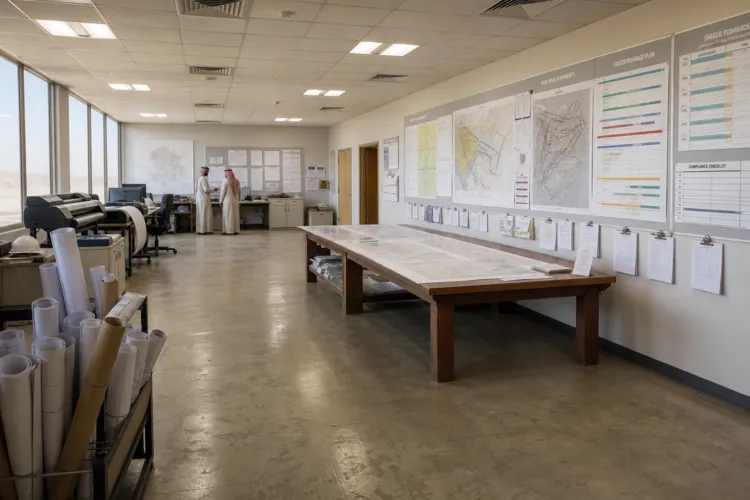
Mining in the Kingdom is moving from ambition to execution, and disclosure expectations are rising with it. Vision 2030 explicitly identifies mining as a key diversification sector, and reporting discipline is becoming part of how projects win approvals and capital. In 2025, sector direction includes comprehensive carbon footprint monitoring for all new and operating mines, plus sector-wide measures around water recycling, tailings management, and biodiversity conservation. ESG alignment is also framed as a basis for project approval and investment attraction, which makes reporting a core operational requirement rather than a marketing add-on.
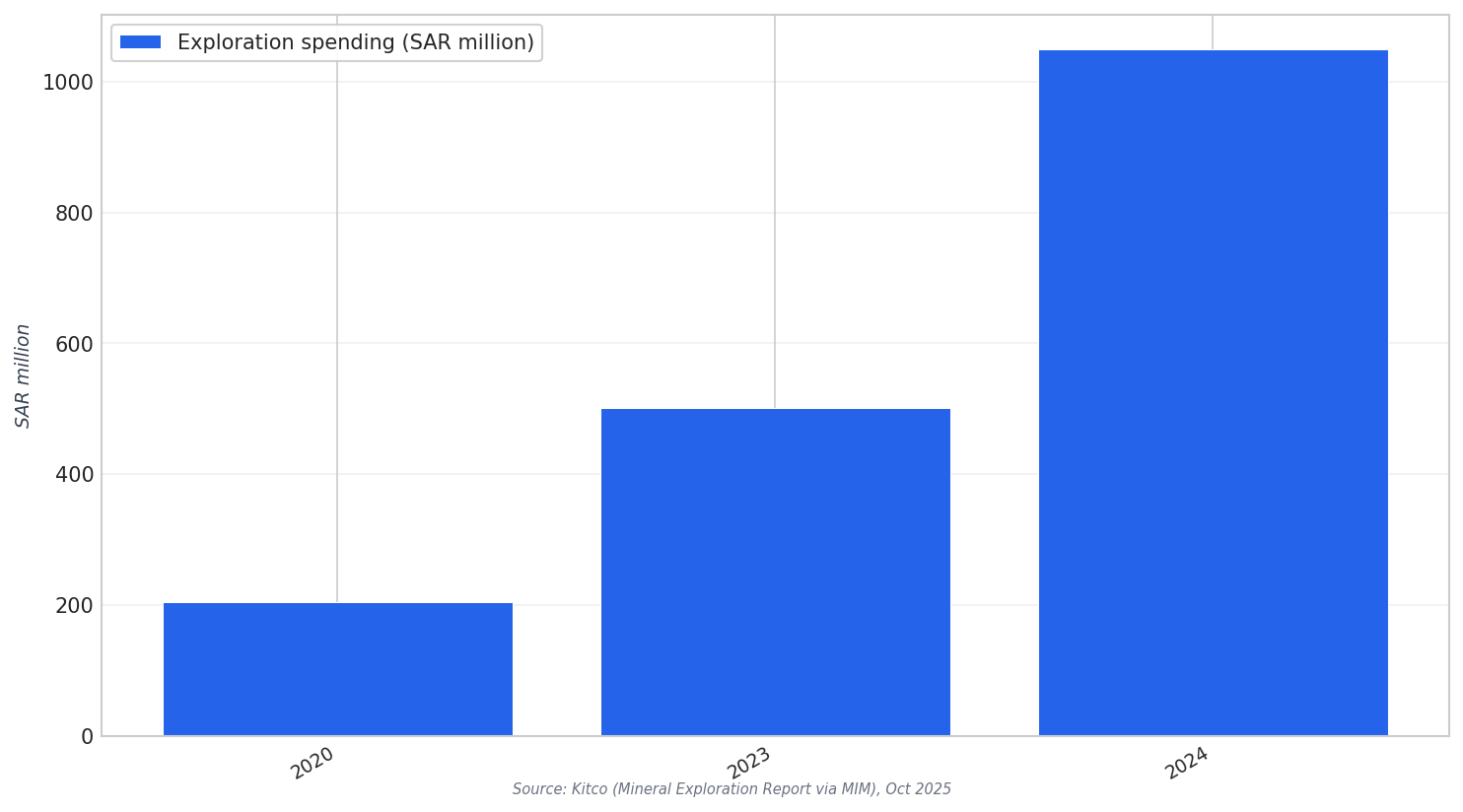
The growth context matters because it increases scrutiny. The Ministry of Industry and Mineral Resources said exploration spending increased fivefold in four years, reaching SAR 1.05 billion in 2024, up from SAR 501 million in 2023 and SAR 205 million in 2020. In the first six months of 2025, Saudi Arabia issued 22 mining licenses, up from nine in the same period in 2024. The country’s investment attractiveness also improved in the 2024 Fraser Institute report, advancing from 104th to 23rd place globally over the past decade. Faster growth makes consistent mining ESG disclosure Saudi Arabia practices more important for operators.
What Operators Must Report: Environment, Social, and Governance Proof
On the environmental side, operators are expected to monitor and report carbon emissions, land use, and ecological impact as part of environmental impact analysis. The same disclosure logic applies to water in an arid climate. Saudi mining expansion calls for efficient water use systems and recycling technologies to ensure sustainable resource utilisation, which implies reporting on how water is managed and recycled. Operators also need to document tailings management and biodiversity conservation measures, which are described as implemented sector-wide. Tools such as carbon footprinting and fleet management are positioned as practical enablers to measure, mitigate, and transparently report environmental impact.
Social disclosure is not optional when projects move into remote zones. The sector direction described in 2025 includes proactive engagement and benefit-sharing with local communities, especially in remote project zones. Separately, broader industry commentary stresses that environmental stewardship and community engagement will influence investor confidence and social licence to operate as the Kingdom expands mining activities. For operators, this translates into reporting that shows how community engagement programmes are designed and implemented, and how benefit-sharing is approached. In practice, transparent reporting supports the “reliability” and “sustainable international partnerships” described by the Vice-Minister as enablers of growth.
Governance disclosure is tightening through international standards and domestic reform. The Saudi Mining Investment Law implemented in 2021 is described as a clear, transparent framework for issuing licences, with an emphasis on good governance, streamlined licensing, and robust sustainability and environmental protections. Digitalisation reinforces this, through electronic platforms for licence applications and approvals intended to reduce bureaucracy and uncertainty. For some operators, governance expectations also connect to international frameworks. Maaden became the first Middle East member of ICMM and, by membership, commits to ICMM’s Mining Principles, defined through 40 performance expectations that apply at asset level and include third-party assurance and validation.
What does mining ESG disclosure Saudi Arabia mean for operators?
Which environmental topics must be reported by mine operators in Saudi Arabia?
Why is water reporting emphasized in Saudi mining expansion?
How do community disclosures affect mining projects?
What governance signals point to higher disclosure expectations?