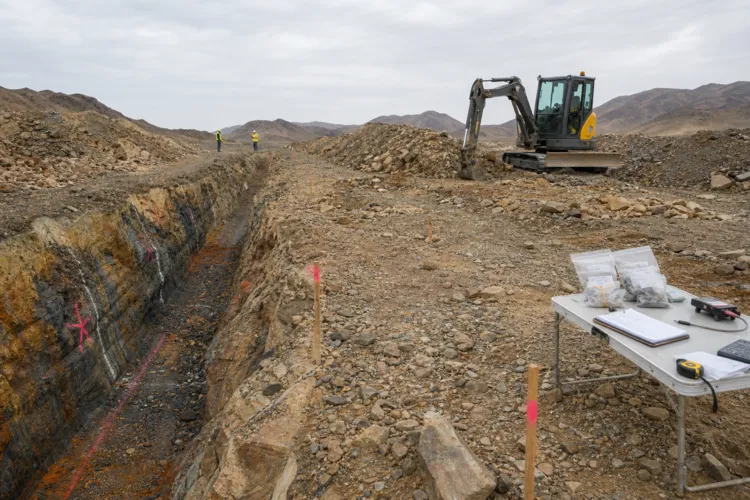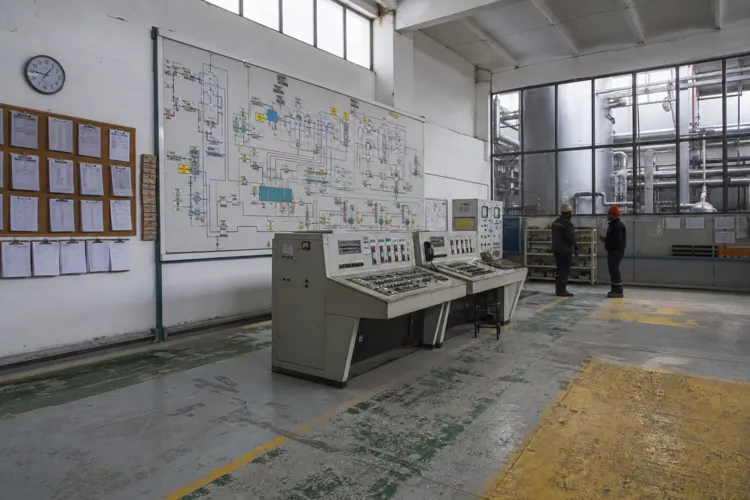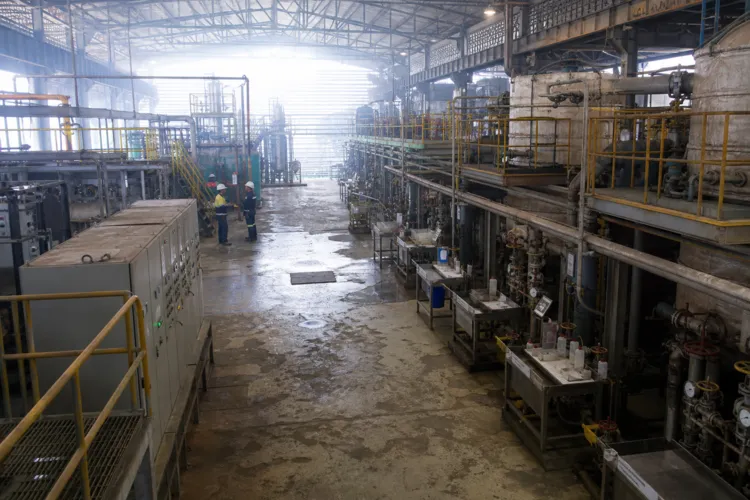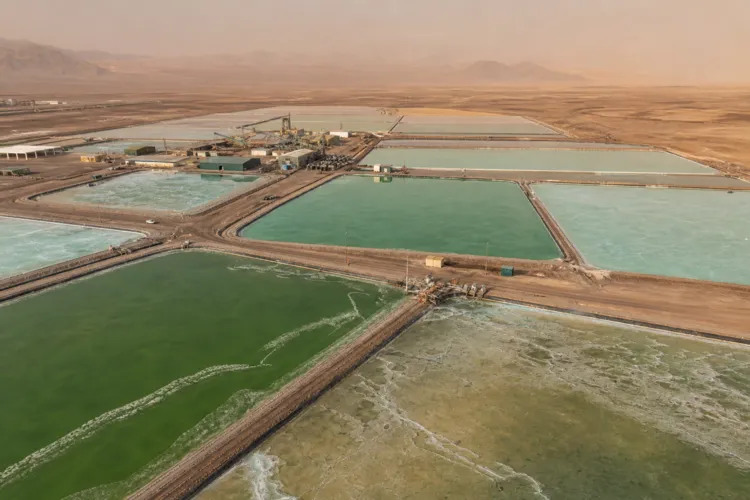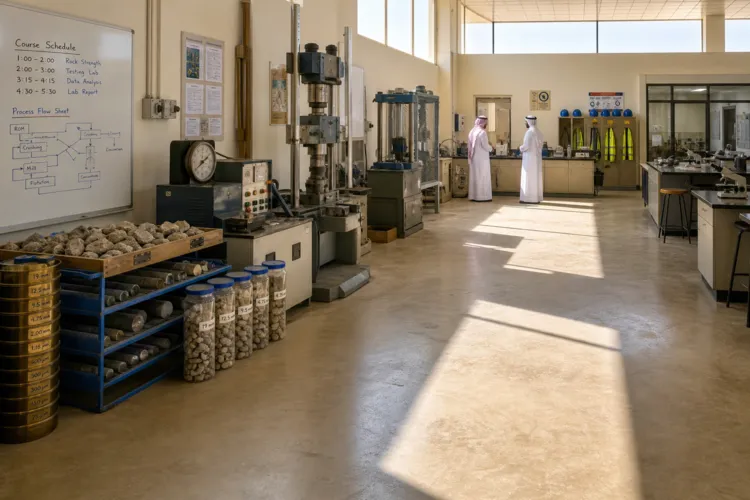
Keeping more value at home starts with what happens after the rock is mined. Saudi Arabia’s minerals strategy increasingly emphasizes beneficiation, refining, and downstream manufacturing instead of relying on foreign processors. One framing used in industry commentary is a staged pathway from raw extraction to beneficiation, then refining, then downstream manufacturing, and finally exporting higher-value products. The same commentary argues that each step retained domestically multiplies the economic return per tonne of ore extracted, compared with purely extractive models that send value abroad.
Market signals point the same way. Mordor Intelligence values the Saudi Arabia mineral processing equipment market at USD 198.13 million in 2025 and forecasts it to reach USD 331.91 million by 2030, a 10.87% CAGR to 2030. The report links this growth to substantial government investment, Vision 2030 localization incentives, and rising demand for battery-grade minerals. It also points to Ma’aden’s multi-commodity expansions, a USD 100 billion national mining investment pledge, and accelerating EPC contract awards at NEOM, all of which consolidate capital flows toward new beneficiation plants and digitalized processing lines.
Industrial Clusters Turn “Do More at Home” Into a Physical Plan
The cluster approach described in sector commentary is about putting extraction, beneficiation, refining, and manufacturing into linked zones so minerals move through the chain with fewer logistical breaks. Wa’ad Al-Shamal is highlighted as a northern site focused on phosphate extraction and processing for fertiliser export markets, with infrastructure designed for long-haul mineral logistics connecting to Red Sea port facilities. In parallel, Mordor Intelligence notes that phosphate processing led the mineral mining sector with a 36.62% revenue share in 2024, reinforcing why phosphate-linked clusters can anchor broader downstream growth.
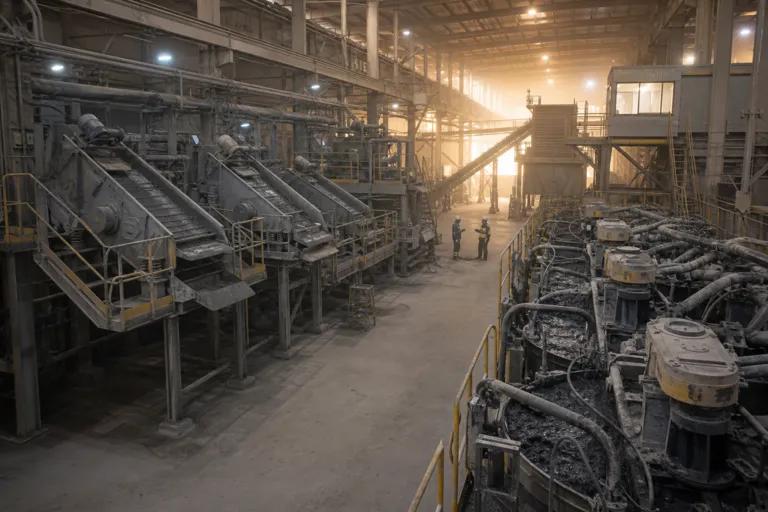
Within plants, the equipment mix and automation choices also signal a shift from basic export flows to value-added processing. In 2024, crushers and mills accounted for 35.38% of the Saudi Arabia mineral processing equipment market share, reflecting demand for core comminution capacity that supports beneficiation lines. Semi-automated systems held a 53.28% share in 2024, while fully automated solutions are expanding at a 13.83% CAGR through 2030, aligning with digitalized processing lines cited in the same report. Suppliers are also aligning portfolios with electric-drive, AI-enabled, and low-water-consumption designs to meet energy-cost and sustainability mandates.
The investment push for local value retention sits inside a broader diversification context. A U.S. government market overview cites the Saudi Ministry of Finance, stating that petroleum exports accounted for 70.5% of the country’s total exports by value in 2024, and about 60% of Saudi government revenues were oil based (down from 62% in 2023). Vision 2030 is described as aiming to reduce dependence on oil and broaden opportunities across sectors including critical minerals. In this setting, the Saudi Arabia mineral export beneficiation policy discussion is less about a single rule and more about building capacity, standards, and procurement pathways that make domestic processing the commercially rational choice.
How does Saudi Arabia keep more minerals value at home after extraction?
What figures show growing momentum for local mineral processing in Saudi Arabia?
Which segment led Saudi Arabia’s mineral mining sector in 2024?
What does the Saudi Arabia mineral export beneficiation policy aim to achieve in practice?
Why does diversification matter to the push for beneficiation and downstream processing?