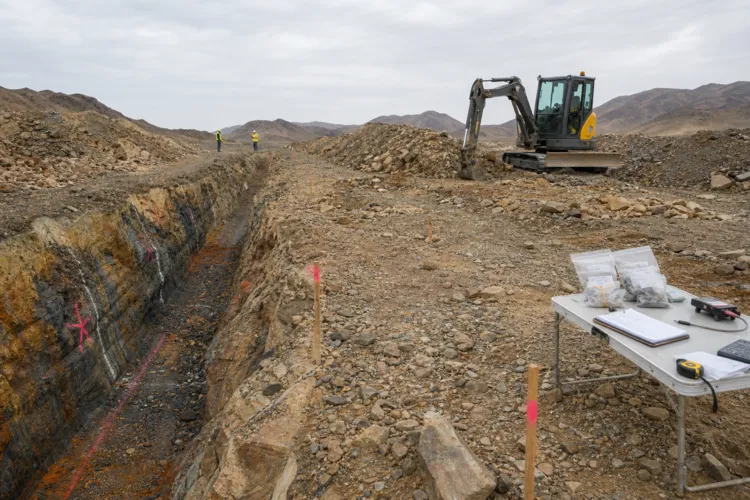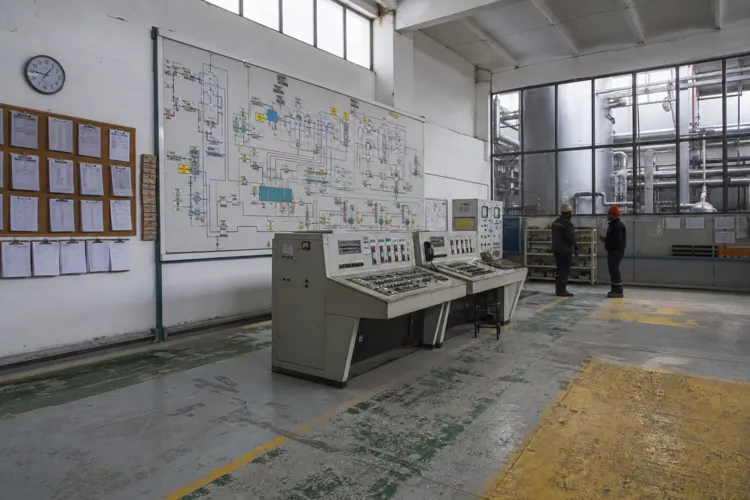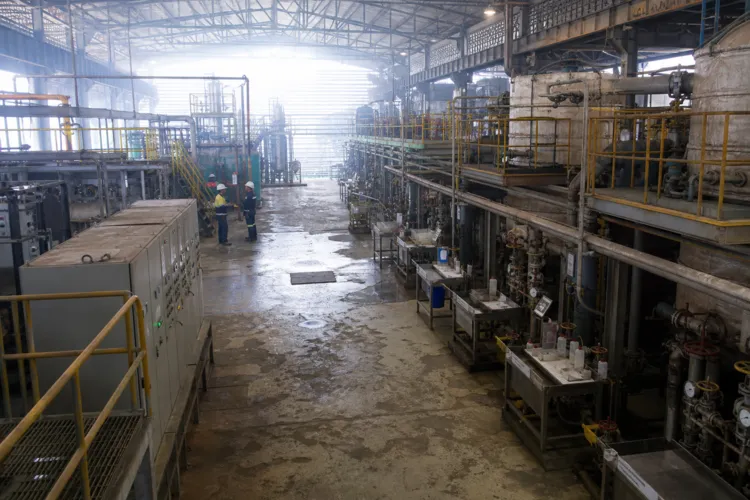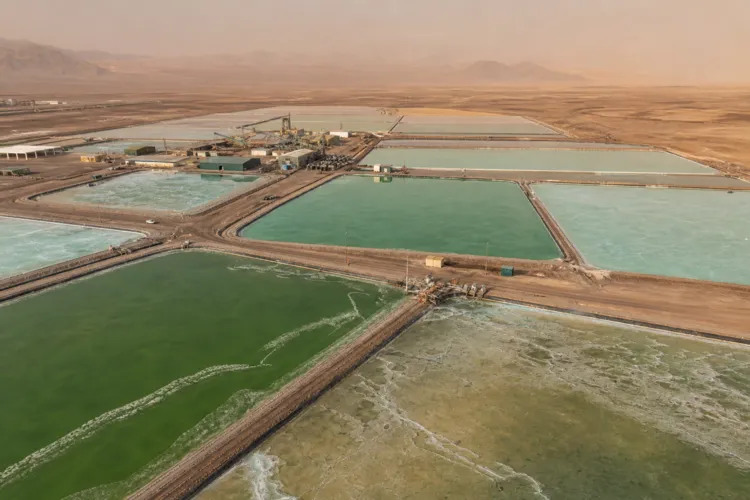
Saudi Arabia’s construction pipeline creates a quiet advantage: reliable access to basic construction feedstocks that matter most when timelines compress. IndexBox describes the Kingdom’s construction minerals market as a “high-volume, essential industry” supplying aggregates, sand, gypsum, limestone, and clay, and links demand to giga-projects, urban expansion, and industrial diversification under Vision 2030. The same report highlights an industry shift from fragmentation toward consolidation and vertical integration, driven by scale requirements for mega-developments. That matters for gypsum and cement minerals because the value chain is not only about quarrying; it also includes processing steps such as grinding limestone for cement and calcining gypsum for plasterboard, followed by distribution where logistics and regional availability can reshape cost structures.
On the demand side, gypsum board is a clear signal. Grand View Research reports that the Saudi Arabia gypsum board market generated USD 424.1 million in revenue in 2023 and is expected to reach USD 1,167.7 million by 2030. It also states that Saudi Arabia accounted for 0.8% of the global gypsum board market in 2023. The same source ties momentum to “abundant mineral resources” including gypsum, alongside increased foreign investment and development of the mining sector. For producers and construction buyers, this implies that gypsum extraction, processing, and board manufacturing are being pulled forward by real end-market growth rather than being a niche minerals story.
Why Gypsum and Limestone Supply Chains Matter More Than Ever
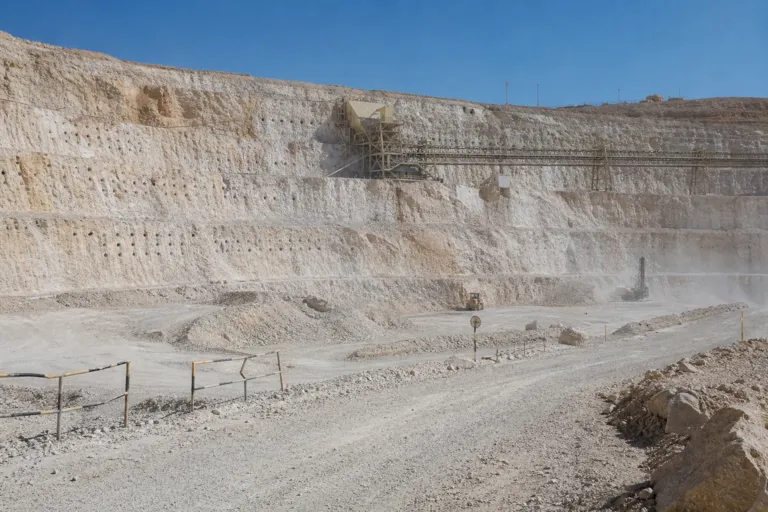
IndexBox’s industrial minerals report calls limestone and gypsum the “volume backbone” of Saudi Arabia’s industrial minerals market and notes that major limestone and gypsum operations are concentrated in the central and eastern regions, serving cement plants. It also emphasizes that geography influences production and consumption, and that aligning resource deposits with industrial clusters is a key factor in logistics and cost competitiveness. That “fit” becomes more valuable as supply chains are reshaped by investments in processing hubs and transport corridors, and as price dynamics face new pressures from energy costs, ESG expectations, and a mismatch between deposits and the largest consumption centers. This is the under-discussed operational logic behind gypsum mining in Saudi Arabia: location, processing access, and delivery reliability are competitive advantages, not only the ore body.
Energy and policy details also shape the economics of cement-related gypsum demand. Grand View Research notes that the Saudi Arabian cement segment, described as one of the largest consumers of gypsum, is characterized by low-cost feedstock availability due to natural gas supplies at a subsidized rate of USD 0.75 MBTU. Regionally, Mordor Intelligence flags cost sensitivity in natural gypsum: it reports that governments in Oman and Saudi Arabia periodically lift royalty rates and that swings of 15–25% feed straight into board production costs. In the same discussion, it adds that natural-gypsum leases in Oman and Saudi Arabia can protect the cost base of vertically integrated manufacturers, helping them hold margins when energy or freight costs spike.
Finally, cement demand itself sets the baseline for gypsum pull-through. Technavio forecasts that the Saudi Arabia cement market size is expected to grow by USD 2,572.4 million from 2026–2030, expanding at a 6.4% CAGR, and it values the residential segment at USD 4.14 billion in 2024. IndexBox similarly frames the construction minerals market as a “leading indicator” for broader construction and industrial activity and expects the trajectory to 2035 to be shaped by the pace of Vision 2030 execution, technology adoption in extraction and processing, and the implementation of ESG standards. Put together, the case for Saudi Arabia’s gypsum and cement minerals is practical: when demand accelerates, the winners are the supply chains that can scale, process, and deliver predictably.
How fast is Saudi Arabia’s gypsum board market growing in revenue terms?
What makes gypsum and limestone so central in Saudi Arabia’s industrial minerals mix?
How do royalties and costs affect gypsum board production in the region?
What is the forecast for the Saudi Arabia cement market from 2026 to 2030?
What should buyers look for when assessing gypsum mining in Saudi Arabia for construction feedstock?