Saudi Arabia is trying to reshape its economy through mining. The Kingdom says its mineral wealth was revalued in 2025 to SAR 9.375 trillion ($2.5 trillion). This larger figure is linked to intensive geological surveying across the Arabian Shield. In this shift, base metals such as zinc matter because they can support both local industry and a wider minerals value chain.
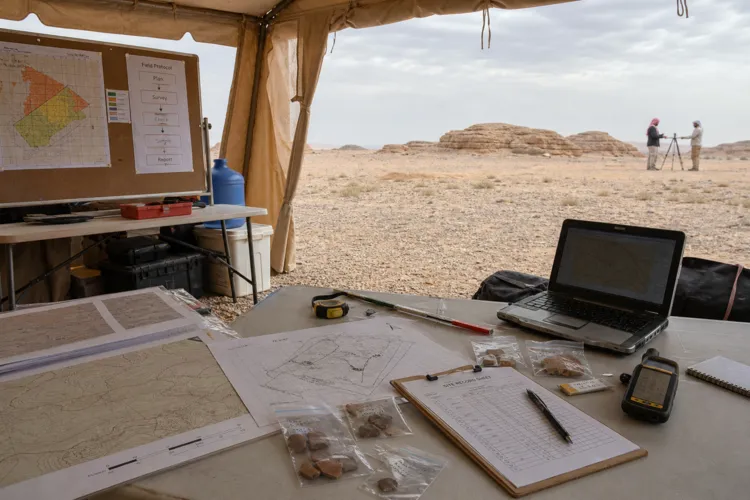
For investors watching zinc mining Saudi Arabia, one clear signal is the scale of exploration activity already mapped. The Saudi Geological Survey (SGS) identified 933 exploration locations at various stages. This includes 691 sites for gold and associated minerals and 242 sites for base metals such as zinc and copper. These numbers show that base metals are not a side story. They are a defined part of the exploration pipeline.
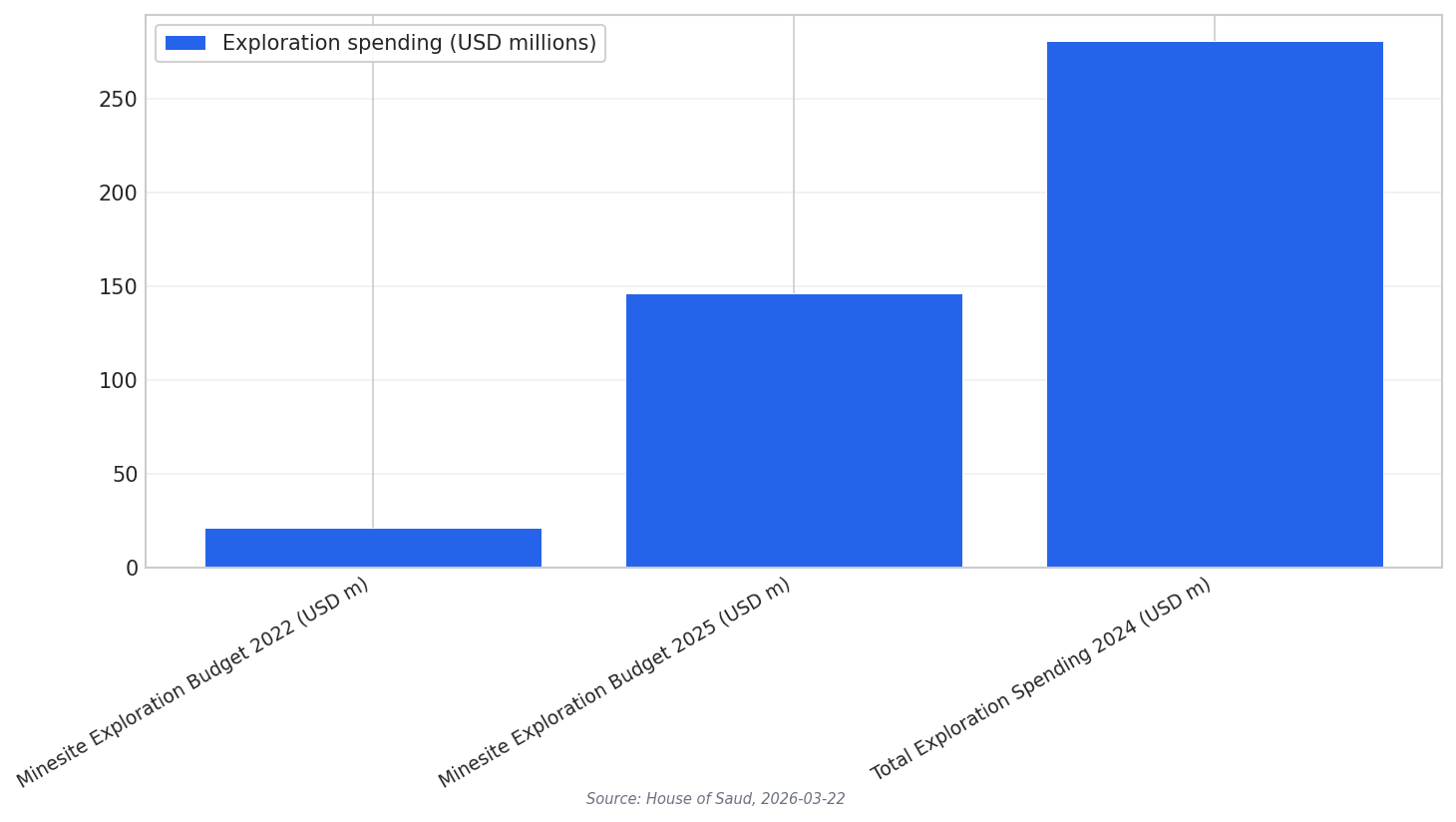
Exploration spending is also moving fast. The minesite exploration budget rose to $146 million in 2025 from $21 million in 2022. Total exploration spending hit SAR 1.05 billion ($280.5 million) in 2024. Another report also notes that more than SAR 1-billion was deployed in 2024 alone. These figures point to a market where zinc targets can move from early geology to real project work.
Where Zinc Projects Can Advance: From Licenses to Processing
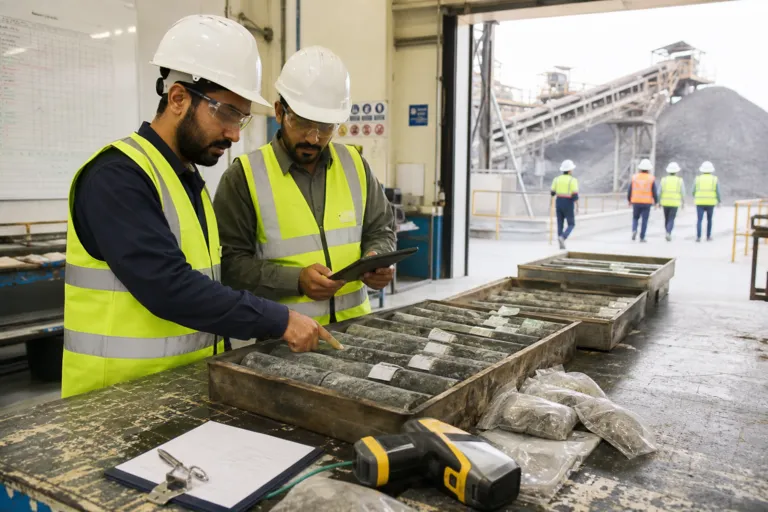
A key near-term opportunity is converting exploration into mine development and then processing. In Najran, Almasane Alkobra Mining Company (AMAK) said it discovered potentially economically viable copper, zinc, gold, and silver resources within an exploration license. AMAK drilled more than 27,000 meters as part of a program that began in February 2025. Preliminary internal studies indicate a mineral resource of nearly 11 million tonnes, and the company said drilling so far covers less than 10% of the total license area.
AMAK also described a practical advantage for processing planning. The Najran exploration site is nearly 100 km from AMAK’s existing processing hub. While exploration continues, AMAK has started concept development studies to advance the exploration license to a mining license. It also plans more geophysical surveys and drilling in 2026, with a maiden mineral resource report expected in the second half of 2026.
Policy and market structure add more momentum. Vision 2030 targets increasing mining’s GDP contribution to SAR 240 billion ($64 billion) by 2030, creating 200,000 direct and indirect jobs, and attracting $27 billion in new investment. Saudi Arabia is also issuing new exploration permits. In late 2024, it issued 11 new permits covering around 850 km² across regions including Riyadh, Makkah, and Asir. For zinc-focused developers, this combination of mapped targets, larger budgets, and a push toward local value chains can lower friction between discovery and processing.
What signals the strongest momentum for zinc mining Saudi Arabia right now?
How large is AMAK’s Najran mineral resource estimate that includes zinc?
What is AMAK doing to move from exploration to mining and processing?
What are Saudi Arabia’s Vision 2030 mining targets tied to investment and jobs?