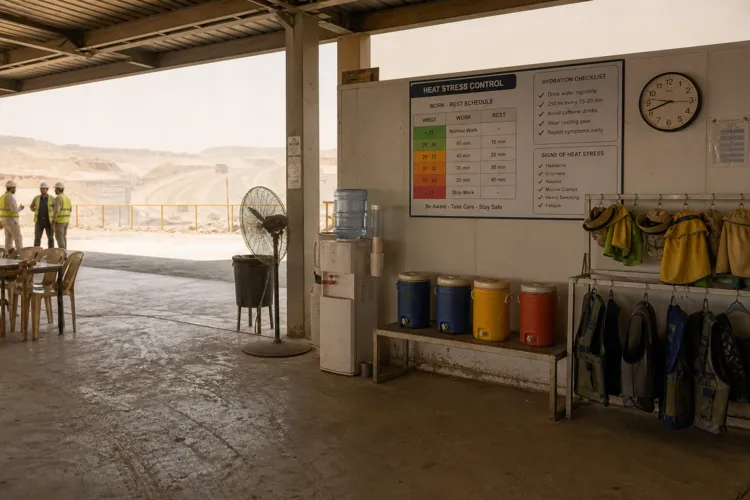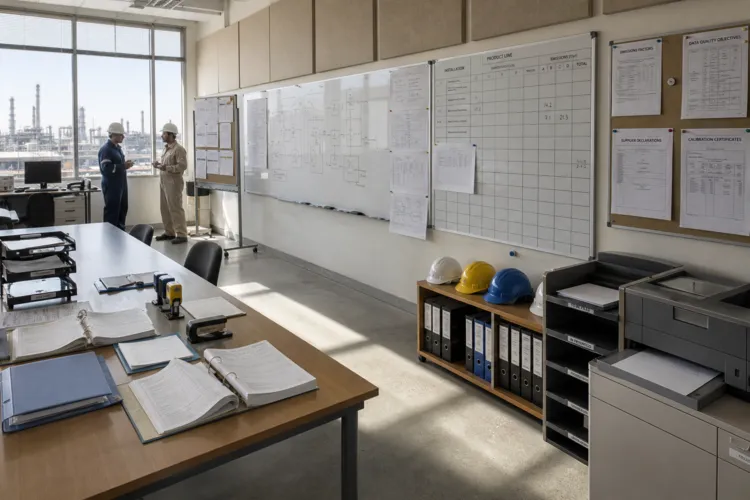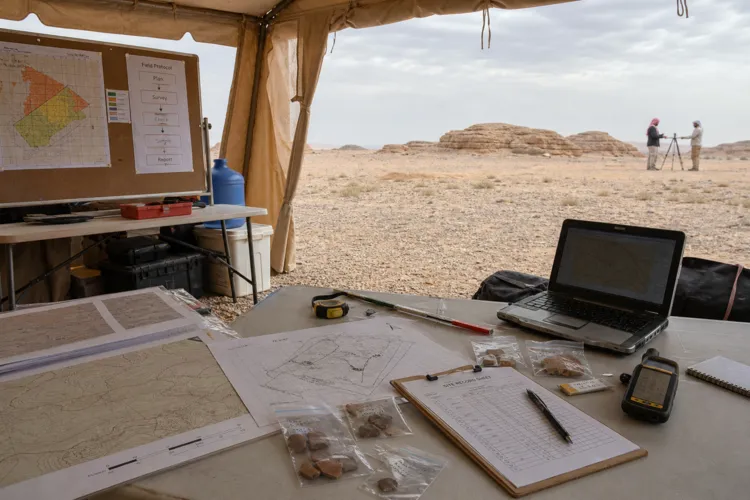
Saudi Arabia is positioning mining as the third pillar of national industrial growth alongside oil and petrochemicals, under the Saudi Vision 2030 Strategy for the Mining Sector. As the sector expands, health and safety has to expand with it. Mine safety standards matter because mining brings complex conditions and real hazards. The goal is not only to meet rules. It is to protect people and keep operations stable.
A strong safety culture starts with clear values. Ma’aden’s mission states that it aims “to responsibly mine and transform the Kingdom’s mineral resources into value for our stakeholders and the national economy, while operating safely and sustainably.” Its core values also prioritize safety, alongside integrity, innovation, and stakeholder trust. When safety is part of the mission, it becomes part of everyday decisions, not just a checklist.
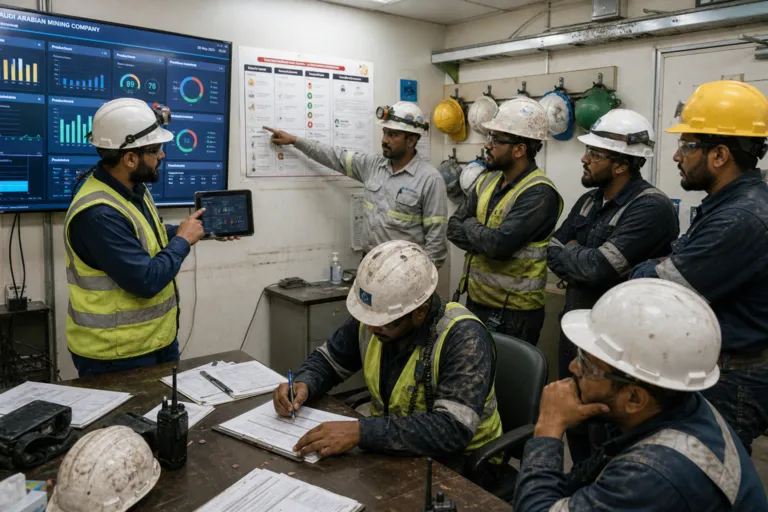
Training is a practical foundation for mine safety standards. In Saudi Arabia’s mining sector, ESNAD develops and delivers comprehensive training in risk management, PPE usage, and emergency response protocols. ESNAD says its programs are continually updated to reflect global best practices and to reinforce a proactive safety culture. This matters because a trained team can recognize hazards early, use equipment correctly, and respond faster when something goes wrong.
Technology and Regulation: Turning Prevention Into Daily Practice
Modern technologies are described as a key part of the sector’s safety transformation. The mining safety standards discussion in Saudi Arabia includes adoption of smart sensors, automated control systems, and immersive virtual training platforms. These tools are used to reduce risks and elevate readiness across mining operations. Put simply, technology can help spot danger sooner, control tasks more safely, and prepare workers before they face a real emergency.
Regulation also supports a safer operating environment. The Ministry of Industry and Mineral Resources provides knowledge and legislation resources for the industry and mining sectors through its Regulations & Reports portal. This type of official reference point supports legal compliance and clearer expectations across operators. In parallel, the mining sector has adopted rigorous procedures that prioritize safety, enforce legal compliance, and implement preventive measures.
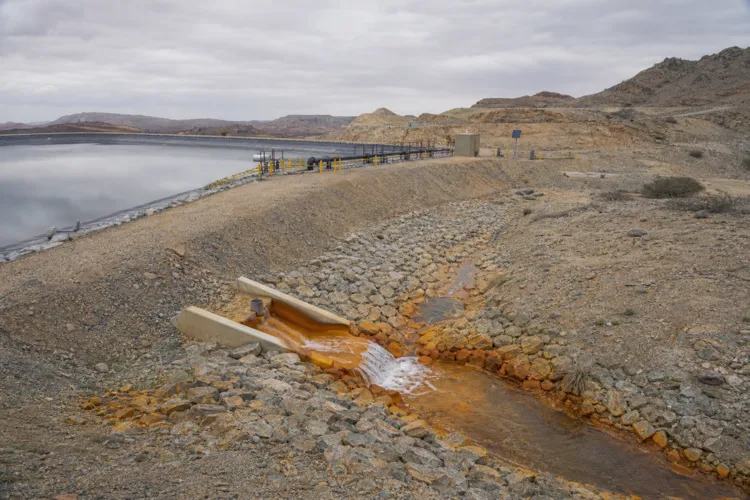
A zero-harm mindset also links safety with environmental control and early warnings. A 2025 overview of sustainability practices notes that stringent monitoring and early warning systems are used to prevent contamination and ensure compliance with national and international standards. While this example is framed around environmental protection, the logic matches a prevention-first safety approach: monitor, detect, and act before a risk becomes an incident.
What do mine safety standards focus on in Saudi Arabia’s mining sector?
How does ESNAD support mine safety standards?
What technologies are mentioned for improving mining safety in Saudi Arabia?
How do company values connect to safety performance in Saudi mining?