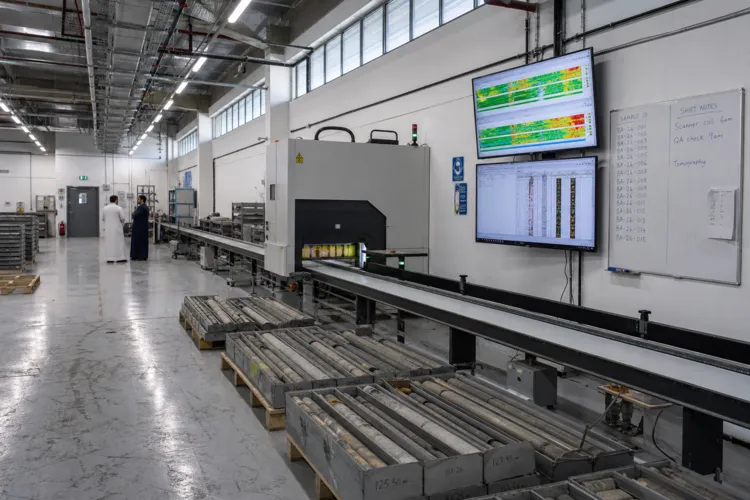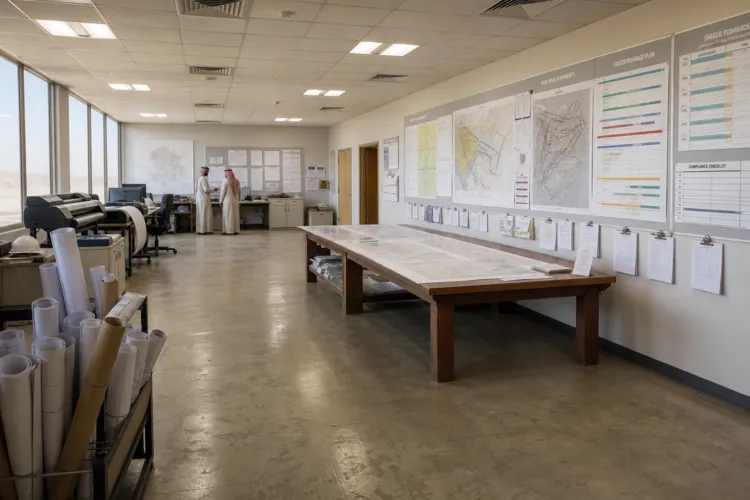
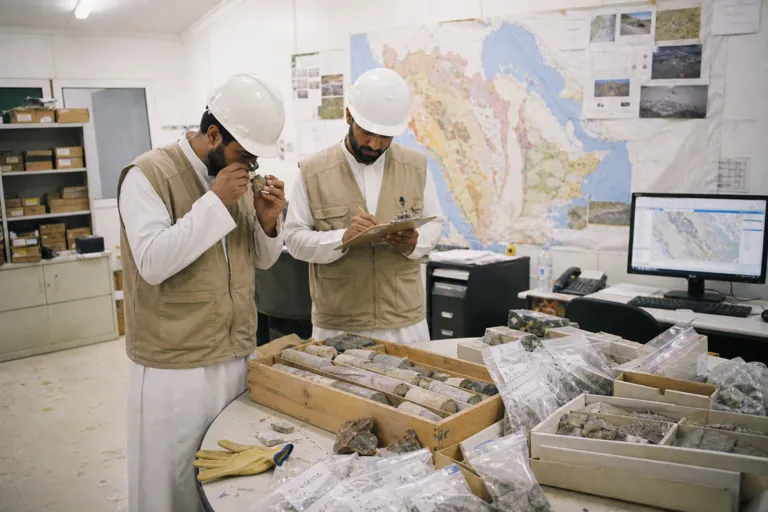
Saudi Arabia’s latest mineral discoveries are getting global attention, from gold and copper to rare earths and battery metals. Behind many of these headlines is steady survey work that turns big areas into clear targets. The Saudi Geological Survey (SGS) is central to that shift. It supports systematic geological mapping and resource assessment across the Arabian Shield, helping the country move from broad potential to specific zones that can be licensed, explored, and tested.
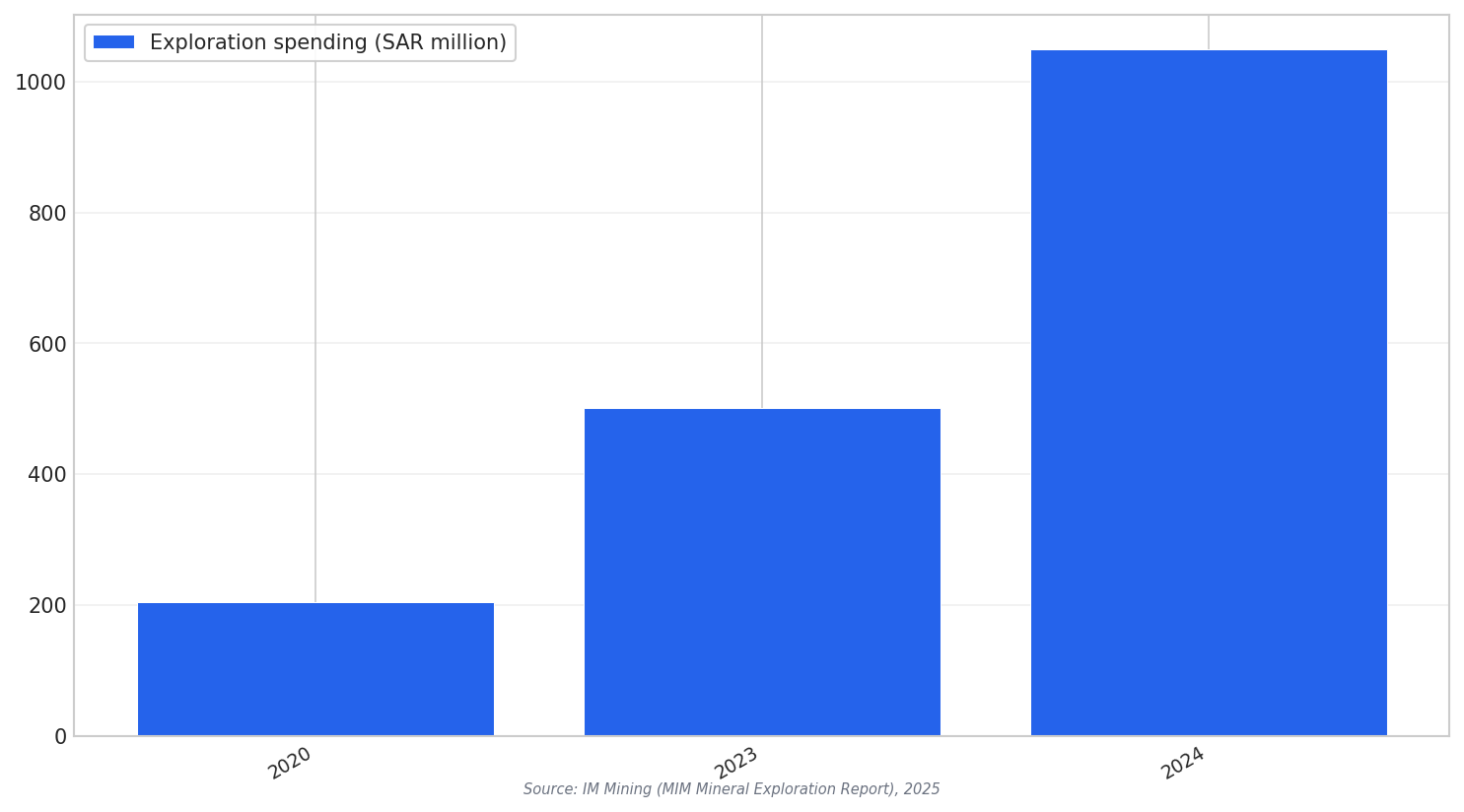
Recent official figures show how fast exploration activity is rising. Exploration spending increased fivefold in four years, reaching SAR1.05 billion in 2024, up from SAR501 million in 2023 and SAR205 million in 2020. In the same period, private sector spend on exploration licences grew to SAR770 million in 2024 from SAR155 million in 2020. Government spending through geological programs also rose from SAR11 million in 2020 to SAR180 million in 2024.
SGS is also tied to the push to make exploration easier to scale. The Ministry of Industry and Mineral Resources said these gains reflect integration between government entities and the private sector, led by SGS. In this role, SGS is developing a comprehensive national geological database through the Regional Geological Survey Program (RGP) and the Accelerated Exploration Program (AEP). The goal is to identify mineral potential and accelerate data collection and analysis.
From Old Belts to New Targets on the Arabian Shield
Saudi Arabia is not only looking at known districts. A Discovery Alert report describes a surveyed territory of 650,000 square kilometers across the Arabian Shield, showing the scale of the work. The same coverage says Deputy Minister Khalid Al-Mudaifer confirmed completed surveys revealed actual mineral wealth exceeding previous estimates. He also said survey operations will continue periodically every three to five years as data and information improve.
Some discoveries build on the Shield’s long-studied geology. Earth.com reported new gold at Wadi Al Jaww and gold with copper at Jabal Shayban, shared during the Future Minerals Forum in Riyadh. It also notes that the Arabian Shield holds metals in old volcanic and metamorphic rocks, and that Saudi geologists have mapped these belts for decades. Ma’aden also reported drill intercepts beneath Mansourah Massarah of 61 meters at 10.4 g per ton gold and 20 meters at 20.6 g per ton.
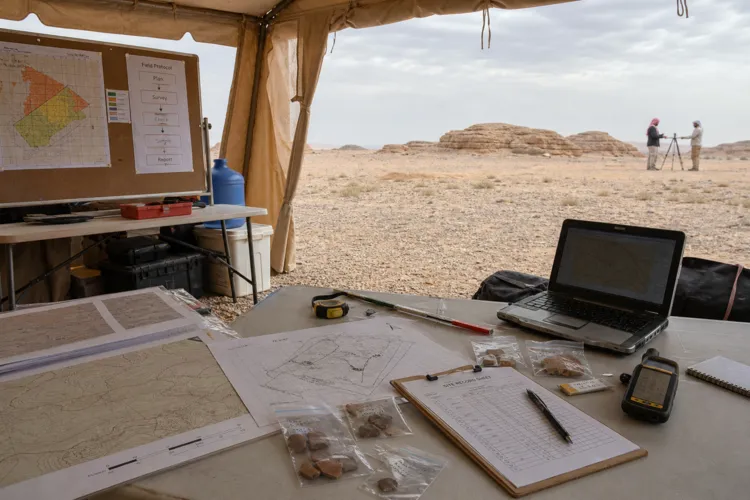
At the same time, SGS is pointing to new critical-minerals zones. Mining South East Europe reported that SGS identified major new zones with potential for rare earths, lithium, nickel, and other battery metals. These findings come from a comprehensive multi-year mapping program using airborne geophysics, geochemical sampling, and advanced imaging technologies. Early results include clusters of rare-earth elements linked to carbonatite systems and pegmatite belts showing promising lithium signatures, with the results expected to shape upcoming licensing rounds.
What does the Saudi Geological Survey do in the mining sector?
How fast is exploration spending growing in Saudi Arabia?
What critical minerals did SGS identify new zones for?
Which discoveries were reported on the Arabian Shield for gold and copper?