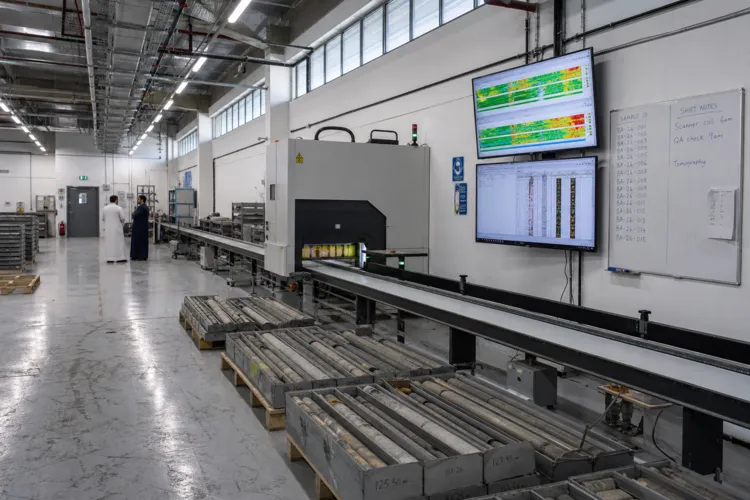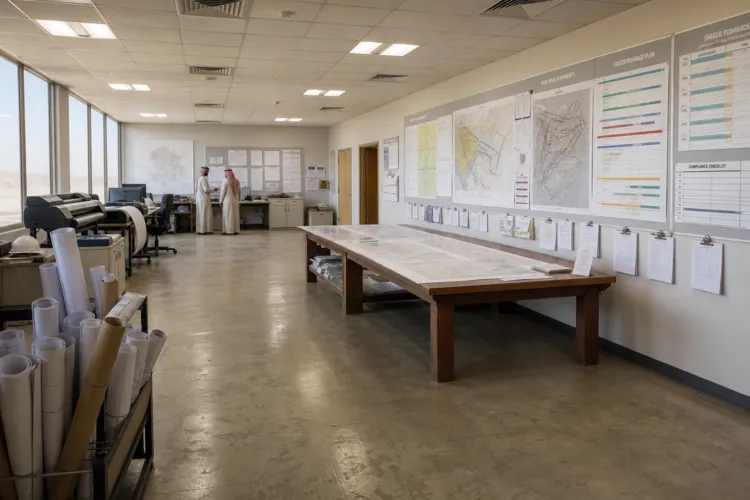
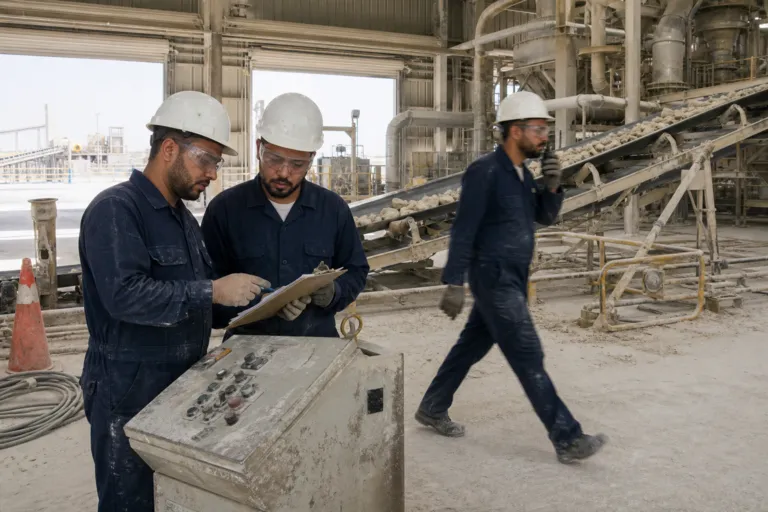
Waad Al Shamal is more than a place on the map. It is a strategy made physical. In the Northern Borders Region, Wa’ad Al-Shamal City works as a major integrated phosphate production and processing hub. This matters because Saudi Arabia’s phosphate reserves are concentrated in this region, especially in Turayf’s Wa’ad Al-Shamal area. Multiple sources describe the northern phosphate basin around Wa’ad Al Shamal as holding an estimated 2 billion tonnes of phosphate ore, while another estimate puts Saudi reserves at 2.7 billion tons.
Saudi phosphate activity also shows clear momentum over time. According to the General Authority for Statistics, phosphate exploitation rose from 1.9 million tons in 2014 to 5.7 million tons in 2019, which is reported as 199.11% growth. Another figure describes annual production at around 3 million tons of phosphate ore. Together, these numbers help explain why industrial hubs like Wa’ad Al-Shamal are described as central to enabling large-scale processing and distribution.
Waad Al Shamal Industrial City was inaugurated in 2018 and is described as the largest phosphate mining and production complex in the Kingdom. One source also calls Wa’ad al-Shamal Industrial City the “beating heart” of Saudi phosphate mining. The city spans 440 square kilometers, and it has attracted investments exceeding SAR 80 billion. Within this footprint, 150 square kilometers are dedicated to Ma’aden’s phosphate projects.
How the Mega-City Turns Ore Into an Industry
The design of Waad Al Shamal is about integration and efficiency. It was built close to main phosphate mines to reduce costs and increase efficiency. The hub includes ore concentration facilities and major chemical plants, including sulfuric and phosphoric acid plants. It also includes ammonia plants with 1.1 million tons annual capacity, plus integrated logistics infrastructure to move products through the supply chain.
This integration is linked to a long timeline. Phosphate ore was first discovered in 1983 at Hazm al-Jalamid, with additional deposits identified at Umm Wu’al and al-Khabra. Yet Saudi Arabia’s first export shipment of phosphate did not happen until 2017. After that step, exports reached 16 countries, including India, Bangladesh, Brazil, Australia, and several East African nations.
Ma’aden is the key operator behind this build-out. The company was established on March 23, 1997 by Royal Decree, and it is described as the largest multi-commodity mining and metals company in the Middle East. It is also described as the world’s third-largest phosphate producer. In the national strategy, Ma’aden is the mining champion with 65% ownership by the Public Investment Fund, and its phosphate business runs through joint ventures with SABIC and the American company Mosaic.
What is Waad Al Shamal built to do?
How fast did Saudi phosphate exploitation grow from 2014 to 2019?
How big is Wa’ad al-Shamal Industrial City and how much investment has it attracted?
When did Saudi Arabia first export phosphate, and where does it export now?
Who leads the phosphate build-out connected to Waad Al Shamal?