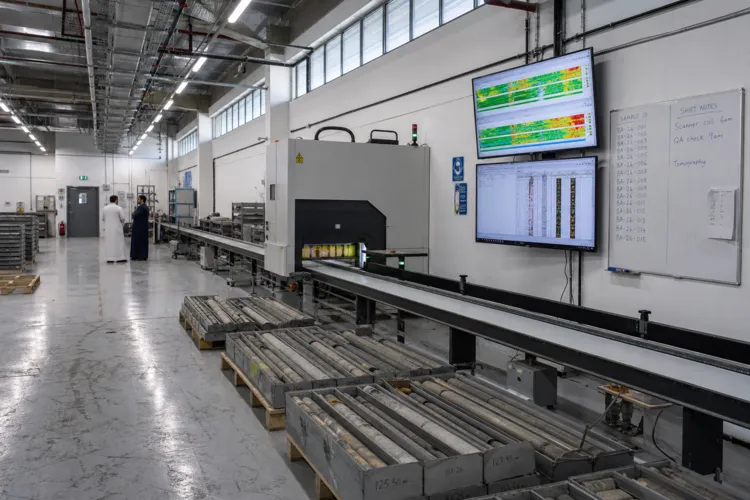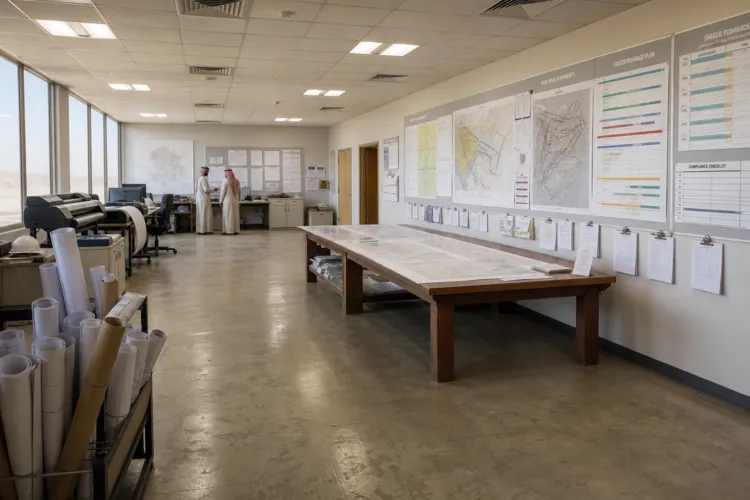
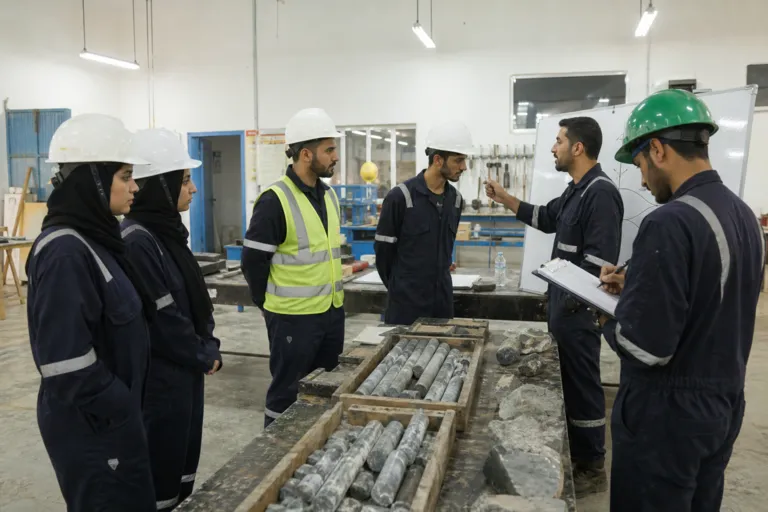
Mining jobs in Saudi Arabia sit inside a wider workforce transformation driven by Vision 2030. The plan aims to diversify the economy, open new industries, and create new opportunities. But projects do not run on capital alone. They need people who are skilled, adaptable, and ready to deliver from day one. This is why workforce capability is treated as a deciding factor for on-time launches, controlled budgets, and long-term competitiveness.
Vision 2030 also changes who fills high-skill roles. For decades, the model was a large public sector employing most Saudi nationals, and a private sector relying heavily on expatriates for technical and leadership roles. Vision 2030 is rewriting that model by boosting Saudi nationals in high-skill, private-sector roles. This is the goal of Saudization, implemented through the Nitaqat program. The shift increases pressure on employers to build talent pipelines, not just meet quotas.
The scale of the wider economy helps explain the talent pull. Tourism aims to grow annual visitors from 27 million in 2023 to 150 million by 2030. Renewable energy is scaling to supply 50% of electricity. Women’s participation is targeted to rise from under 20% to over 30%, and it is already above that mark. All of this raises demand for skilled people across sectors, including mining and the services that support it.
In mining, the strategic direction is clear. Saudi Vision 2030’s strategy for the mining sector aims to unlock the Kingdom’s vast mineral potential and position mining as the third pillar of national industrial growth alongside oil and petrochemicals. That ambition creates “demand-pull” for capabilities across exploration, extraction, processing, and value-added manufacturing. It also increases demand for professional services, equipment suppliers, and specialised contractors, especially in regions with significant mineral resources.
Skills Demand and Saudization: Hiring Is Not Enough
Employers are competing for skills that go beyond basic technical roles. Vision 2030 workforce priorities highlight advanced digital and technical expertise, such as AI engineering, data analytics, cybersecurity, cloud architecture, and renewable energy systems. It also highlights specialised sector knowledge and leadership and adaptability. In mining, technology transfer and adoption of advanced extraction and processing technologies can widen this skills list. At the same time, rapid industrial expansion may create workforce demand that exceeds immediate supply from domestic training programmes.
Localization signals show why training must connect to jobs. Arab News reported that by the end of 2025 there were 12,946 factories, including 10,394 operational facilities employing around 903,547 workers, with Saudization across the sector at 31%. This kind of localization rate matters for mining employers too, because it points to the need for structured, practical pathways that move Saudi graduates into real roles. A Vision 2030 workforce article also notes the role of the HR Development Fund (HRDF) in supporting training and upskilling aligned with national goals.
Why are mining jobs in Saudi Arabia tied to Vision 2030 workforce reforms?
What does Saudization mean for employers hiring into mining and industry roles?
What skills are in urgent demand that can affect mining-related hiring?
What localization benchmark was reported for factories by the end of 2025?