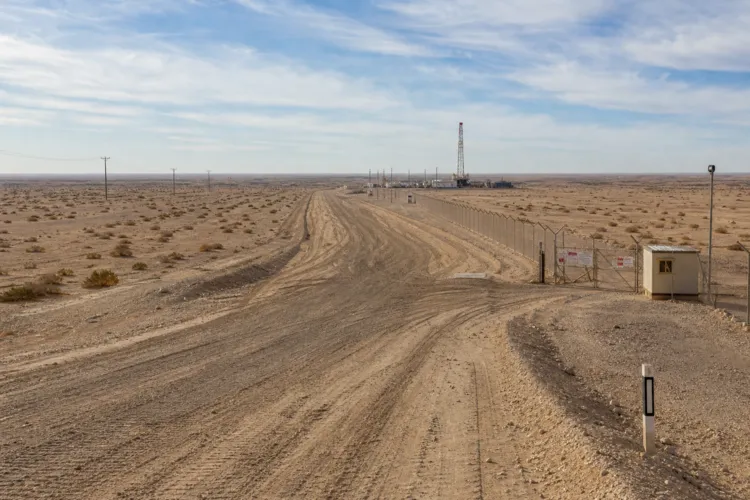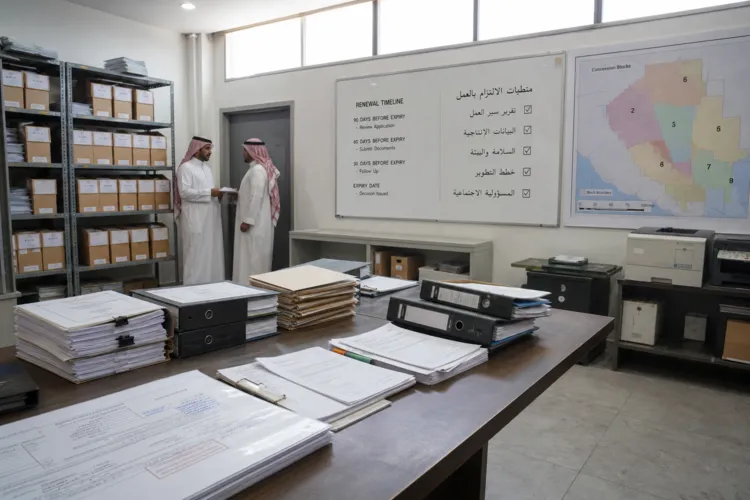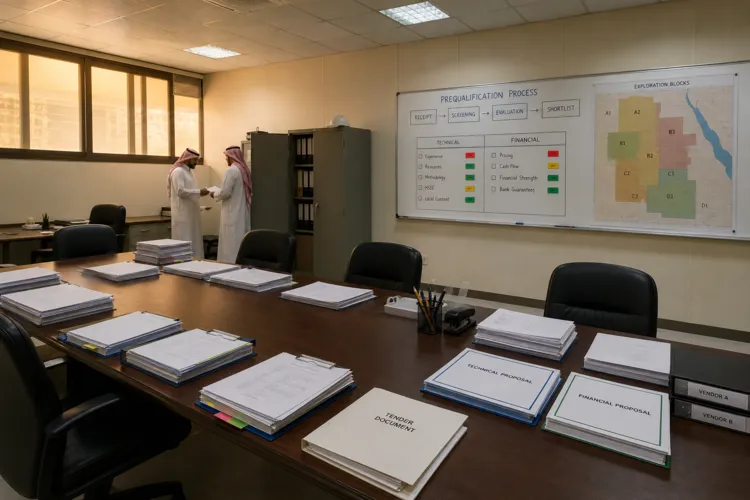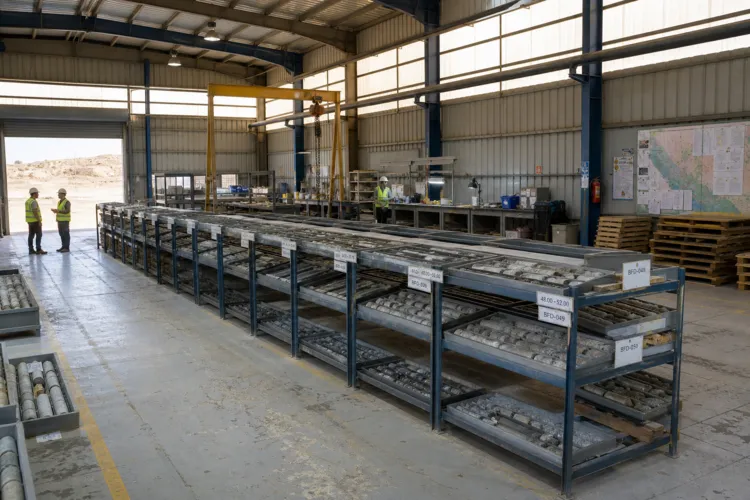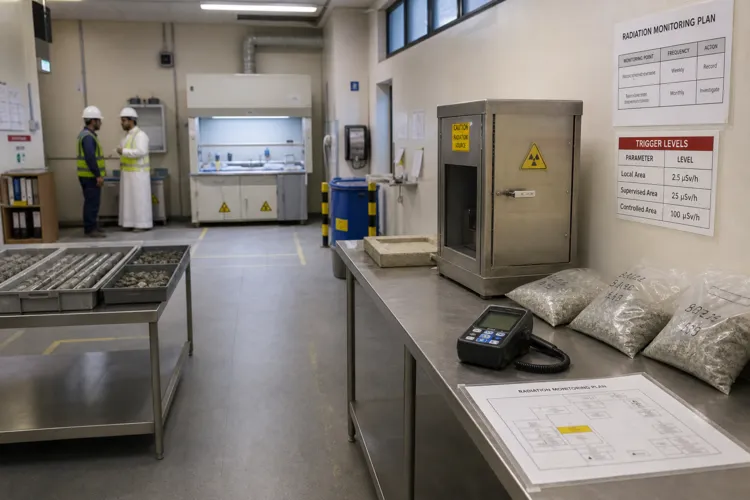
Saudi Arabia is positioning mining as a strategic sector under Vision 2030, including joint ventures, offtake agreements, and foreign partnerships. One source frames this ambition alongside estimated mineral reserves valued at $1.3–$2.5 trillion, and notes policy emphasis on in-Kingdom processing and value-add industries such as battery metals refining and EV manufacturing. That mix—investment attraction plus local value capture—can create friction points that later become disputes. Common flashpoints include licensing battles, local processing mandates, ESG obligations, and questions about whether project decisions remain commercial or shift toward strategic priorities when state-linked stakeholders are involved.
In that environment, mining dispute resolution arbitration Saudi Arabia discussions tend to be practical. Parties want a process that can handle technical evidence and cross-border project structures without turning every disagreement into a relationship-ending court fight. A global mining arbitration overview highlights why arbitration is often preferred: mining disputes can involve complex geology and metallurgy, environmental scrutiny, and political risk. It also notes that average case duration in mining arbitration ranges from 18–36 months, described as significantly shorter than traditional litigation. For long development timelines and capital-heavy projects, time and procedural predictability matter.
What the Saudi Arbitration Data Means for Mining Contracts and JVs
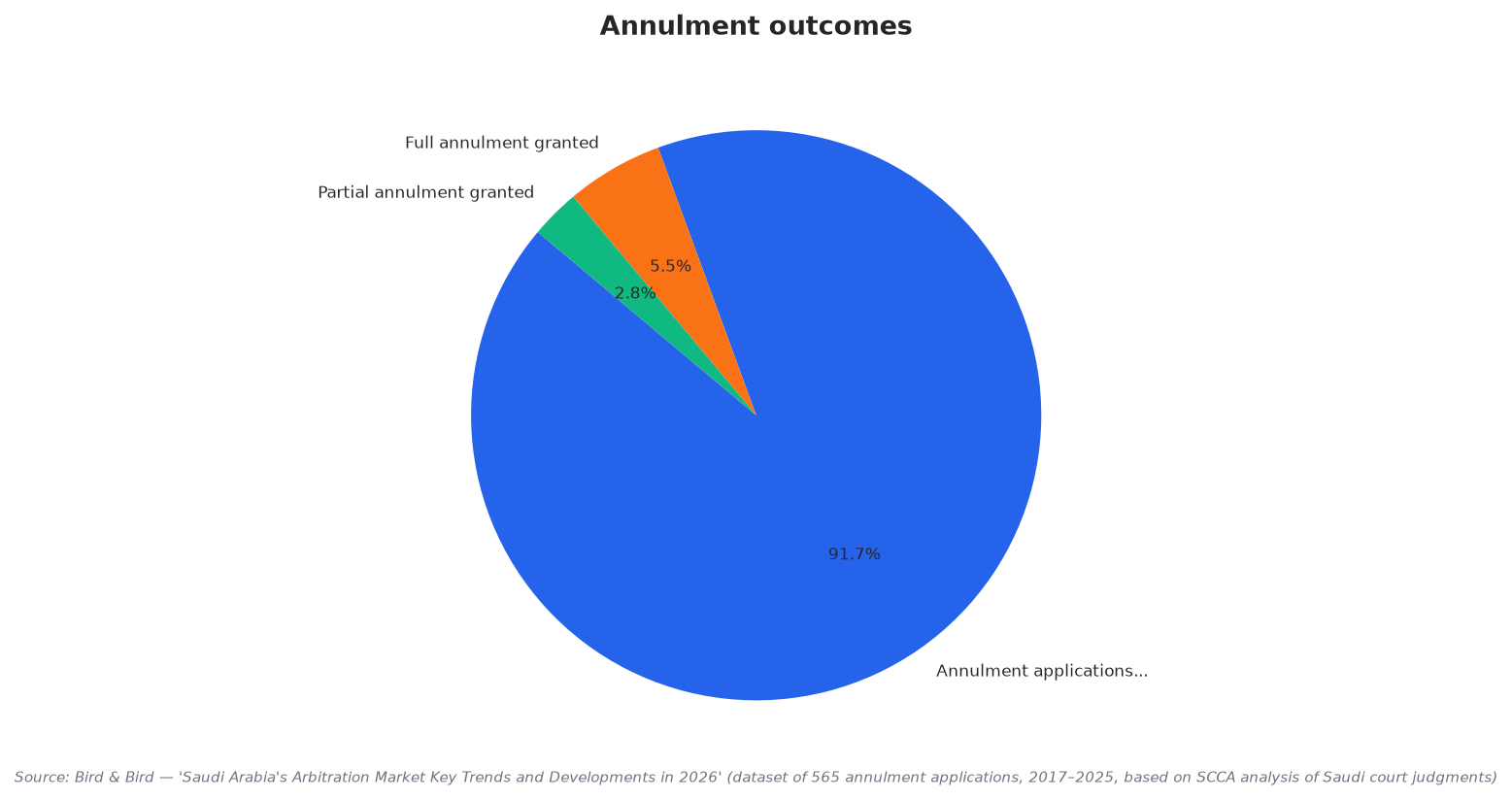
Enforcement and challenge risk are central when drafting Saudi mining contracts and JV documentation. In July 2026, the Saudi Center for Commercial Arbitration (SCCA) published an independently produced analysis of more than 3,300 Saudi Court of Appeal judgments from 2017 to 2025, including 565 annulment applications. Of those annulment applications, 518 were rejected (91.7%). Full annulment was granted in 31 cases (5.5%) and partial annulment in 16 (2.8%). Annulments grounded on Sharia principles or public policy accounted for 13 cases, which was 2.3% of the annulled awards reviewed. The same analysis states that Saudi courts apply a limited standard of review and do not revisit the merits except where exclusive grounds under Article 50 are established.
Saudi Arabia has also invested in arbitration infrastructure and procedure. One source reports that the SCCA’s caseload increased eightyfold between 2016 and 2021. It also reports that enforcement courts in Saudi Arabia have processed arbitral awards valued at over $6 billion in recent years. The same source notes that the SCCA’s updated 2023 rules allow remote hearings and foreign counsel, signaling investor-friendly procedures. For mining JVs, that can translate into clause drafting that anticipates multi-party coordination, document-heavy technical disputes, and the need to move quickly without sacrificing due process.
Joint venture governance is another frequent trigger for disputes, especially deadlock and exit. A Vision 2030 investment guide stresses that deadlock provisions are essential and lists practical mechanisms: escalation to senior executives, mediation through the SCCA, put/call options, and ultimately dissolution provisions. The guide also highlights exit tools such as tag-along and drag-along rights, pre-emptive rights on share transfers, and fair market value determination mechanisms. Separately, a Saudi JV legal considerations source states that profit distribution typically follows the agreed shareholding percentage unless stated otherwise in the JV agreement, and notes that the 2023 New Companies Law applies to both contractual and incorporated joint ventures, providing clarity on profit distribution, management rights, and dispute resolution.
How does mining dispute resolution arbitration in Saudi Arabia typically play out when an award is challenged?
What do the Saudi court numbers suggest about Sharia-based annulment risk?
What dispute provisions help prevent joint venture deadlock in Saudi projects?
What procedural features of the SCCA can matter in mining JV disputes?