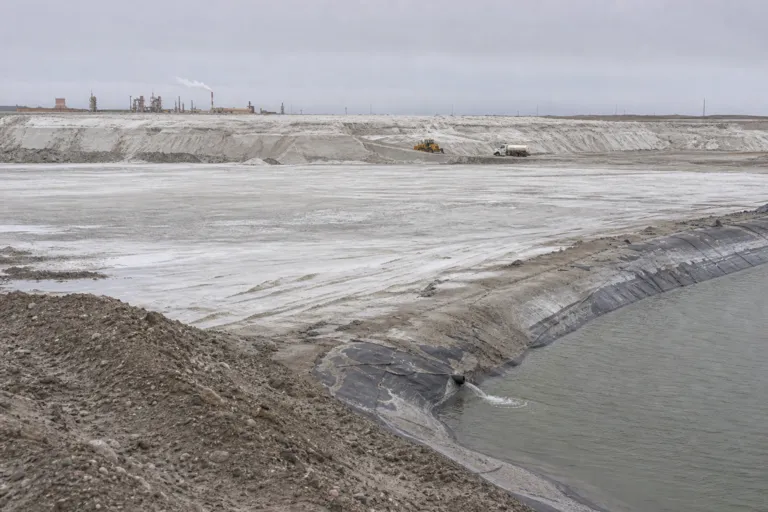
Phosphogypsum is a calcium sulfate-rich byproduct generated during wet-process production of phosphoric acid from phosphate rock. It is tightly linked to fertilizer manufacturing, because phosphoric acid sits at the center of fertilizer synthesis. The management challenge is scale. One source describes phosphogypsum as “one of the most voluminous industrial byproducts globally,” estimating 280 to 300 million metric tons produced annually worldwide. Another source emphasizes the waste intensity of the chemistry: for every ton of phosphoric acid produced, around 5 tons of phosphogypsum are produced. This is why stockpiling in large stacks near fertilizer facilities is common, and why turning stacks into saleable inputs is a recurring industrial objective.
For Saudi Arabia, the strategic question is how to convert fertilizer byproduct handling into a repeatable product pathway for construction and soil markets while meeting quality expectations. In global market terms, phosphogypsum is increasingly treated as a cost-effective and abundant source of calcium sulfate that can be repurposed, shifting it from an environmental liability to a resource. Two market reports align on global valuations, stating the global phosphogypsum market was valued at USD 3.8 billion in 2025 and is projected to reach USD 6.4 billion by 2034, at about a 5.9% CAGR (also stated as 5.96% in another source). These figures are global, not Saudi-specific, but they frame why reuse programs are accelerating.
From Stacks to Specifications: What Reuse Requires
Turning phosphogypsum into construction and soil products depends on meeting end-user specifications, not just finding a buyer. Sources note typical concerns, including trace radionuclides and residual phosphoric acid, which can require beneficiation before commercial use. One market source highlights investments aimed at reducing impurities such as radium-226, phosphate, and fluoride compounds to reach thresholds demanded by construction and road-building manufacturers. A Saudi-focused example appears as a caution: one source states that Eastern Province phosphate fertilizer exports from Maaden facilities generate phosphogypsum “without local beneficiation demand,” while Saudi Building Code Authority studies on secondary raw material incorporation are described as lagging regional construction growth. That gap makes standards, testing, and processing capacity central to any scalable reuse plan.
Construction and infrastructure can absorb large volumes, which is why they often anchor reuse discussions. Multiple sources describe phosphogypsum as an economical substitute for natural gypsum in cement, plaster, and wallboard production, and also reference road development and embankment use. Policy and regulatory direction can materially shape market access. In the United States, one source says the EPA allows very limited use because phosphogypsum is considered a waste due to radioactivity, with storage in stacks as the primary management approach. Another source notes the EPA has been progressing a regulatory review of phosphogypsum use in road construction under the Toxic Substances Control Act, with a 2023 rulemaking update signaling a possible broader opening in North America. These are not Saudi rules, but they show how permitting pathways can unlock or block demand.
Soil use is another route, especially when the product is positioned as a calcium-sulfur soil amendment. A global market source ties rising adoption to sulfur deficiency in agriculture and estimates that, in 2025, approximately 220 million hectares of agricultural land globally exhibit sulfur deficiency. Another source adds that the IAEA cites several studies showing no significant uptake of radioactivity by crops, or buildup of radioactivity in soils in most cases, while still stressing that applications must be carefully examined. For phosphogypsum management and reuse in Saudi Arabia, the practical takeaway is to design product grades and verification steps for both construction and soil channels, and to align processing to the impurity limits and standards expected by downstream users.
What is phosphogypsum, and why is it a management issue?
How large is phosphogypsum production globally?
Which reuse pathways matter most for large volumes?
What quality issues can limit reuse in construction or soil products?
What does phosphogypsum management and reuse look like for Saudi Arabia today?