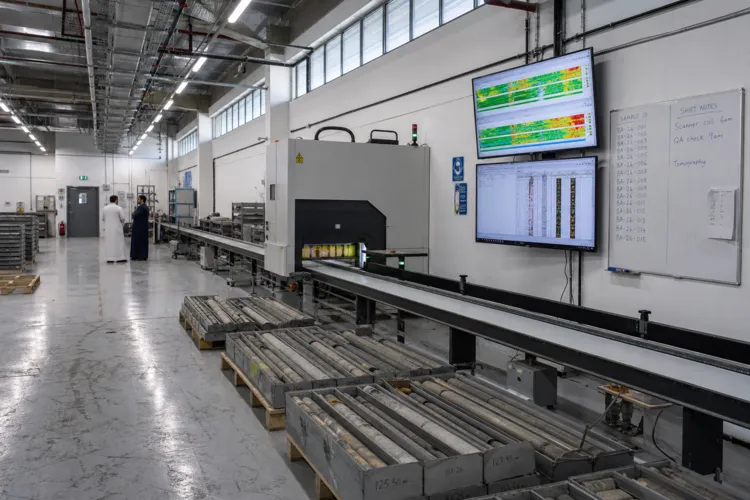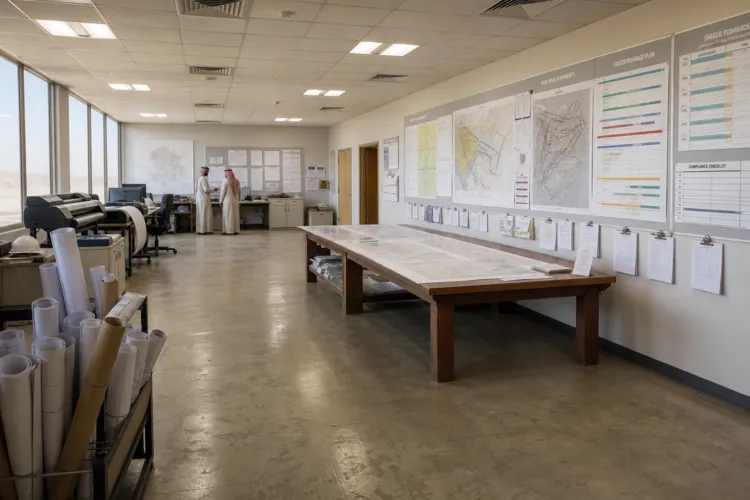
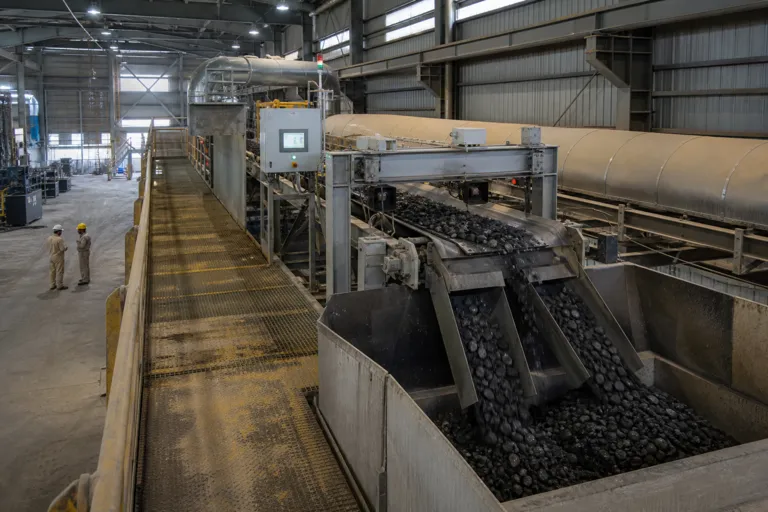
Sensor-based ore sorting is built around real-time, automated discrimination and physical separation of ore from waste rock, or the upgrading of ore grades using sensor-derived data. IndexBox frames the technology as integrated electronic and mechatronic systems that can be applied to pre-concentration at the mine face, waste rejection to reduce processing volume, and upgrading feed grade for downstream processing. For Saudi mines weighing new flowsheets or debottlenecking, the key value is simple: remove barren material before it enters expensive comminution and concentration steps. That logic also aligns with market commentary from GM Insights, which links higher mined volumes to more waste and positions sensor-based sorting as a way to improve efficiency and reduce environmental impact by pre-concentrating ore prior to processing.
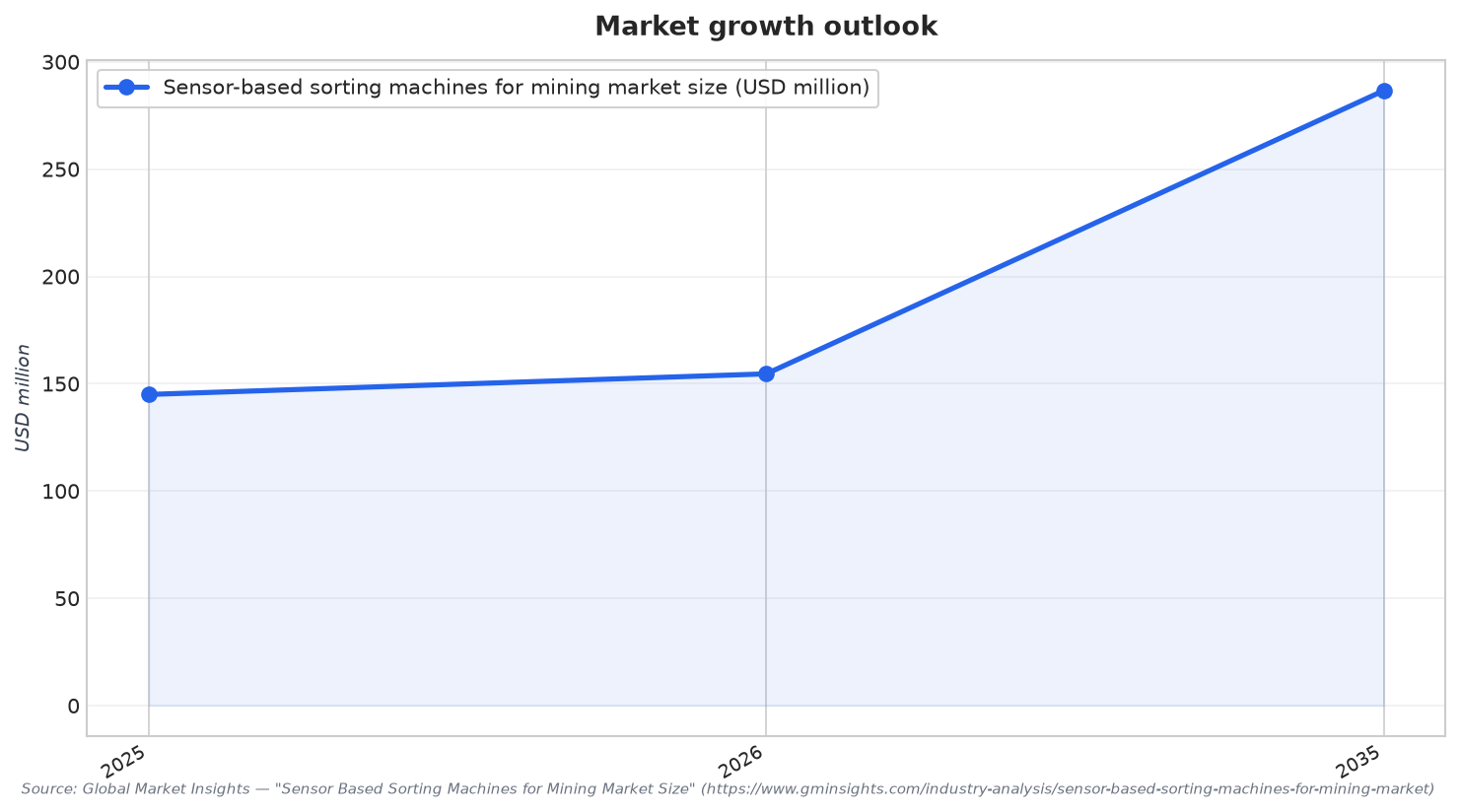
Global market forecasts show why equipment vendors and mine operators are investing in these systems, even as each orebody requires proof the sensors can distinguish valuable particles from waste. GM Insights estimates the sensor-based sorting machines for mining market at USD 145 million in 2025, with expectations of USD 154.6 million in 2026 and USD 286.6 million in 2035. A separate Reports and Data forecast values the global sensor-based ore sorting market at USD 1.50 billion by 2034 at a CAGR of 7.5%. Reports and Data also states mining held the largest market share in 2024 at approximately 70% of the global sensor-based ore sorting market, highlighting how strongly adoption is tied to front-end mineral processing needs rather than only recycling.
How Sensor Sorting Lifts Grade Before the Mill
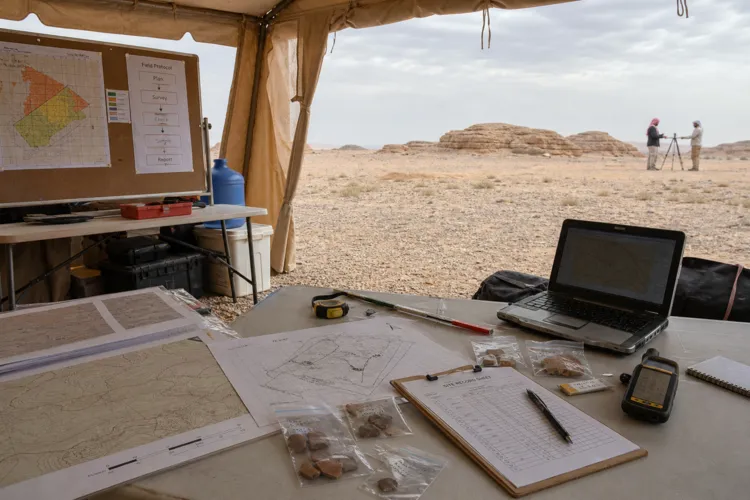
In practice, sensor-based sorting is about controlling which particles become mill feed. Wikipedia notes it is especially attractive for low grade or marginal ore, or waste dump material that can be sorted and added to run-of-mine production. It also highlights a rule-of-thumb screening point: if sub-economic material in the targeted coarse fraction is roughly 25% or more, there is good potential the approach is technically and financially viable. For planning, Wikipedia points to drill core inspection combined with grade distribution and mineralogical description, and mentions particle analysis in the size range 10–100 mm conducted on a total sample mass of 10 tonnes. This kind of testwork can help Saudi mine teams decide where early waste rejection will remove enough dilution to matter.
Technology choices differ by ore type and by the property you need to detect. Reports and Data says X-ray sorting dominates the sensor-based ore sorting market, and its machines outlook adds that X-ray sorting machines held approximately 45% of the global sensor-based ore sorting machines market in 2024. That same outlook references the use of X-ray transmission (XRT) and near-infrared (NIR) sensors for precise identification and separation, including integrated X-ray and NIR sensors in one machine for simultaneous analysis of different material properties. GM Insights adds that Comex offers multi-sensor units combining sensors such as XRF, RGB, and NIR to separate distinct ore types and optimize recovery through maximum waste removal. Fact.MR also points to ecosystem breadth, naming TOMRA Mining and STEINERT for direct ore sorting, and Metso and MineSense for bulk sorting and grade-control capabilities.
For ore sorting technology mining Saudi Arabia programs, execution quality can matter as much as the sensor itself. Fact.MR advises mine planners to test ore variability before approving sorter installation across full plant flows, and to compare rejected waste, recovered grade, and mill energy before scaling units. That same source notes ore quality pressure is pushing operators to remove barren material before crushing and grinding, while ore variability can restrain performance and increase the test burden. IndexBox adds a strategic lens, arguing adoption can move from tactical cost savings to a lever for resource definition and sustainability reporting. For Saudi operators, the practical pathway is clear: pilot, validate sensor response on representative size fractions, and integrate sorting where it measurably reduces the volume sent to the most energy- and water-intensive steps.
What does sensor-based ore sorting do at a mine site?
How big is the global sensor-based sorting machines for mining market in the sources?
Which sensor approach leads the market, according to the sources?
When is ore sorting considered especially attractive?
How should Saudi teams evaluate ore sorting technology for mining in Saudi Arabia before scaling up?