
Saudi Arabia could unlock more than 90,000 tonnes of uranium from newly identified deposits. This single figure has shifted global attention toward the Kingdom’s mining sector. It also signals a strategic move: Saudi Arabia wants to use its own uranium resources to fuel future nuclear plants and potentially export surplus material.
This momentum is shaping a new phase of Saudi uranium exploration, supported by geological surveys, regulatory reform, and clear political intent.
Geological Surveys Reveal Strategic Scale in the Arabian Shield
A 2019 joint survey by the Beijing Research Institute of Uranium Geology, China National Nuclear Corporation, and the Saudi Geological Survey identified three inferred uranium deposits in central and northwest Saudi Arabia. These deposits could yield over 90,000 tonnes of uranium. That volume is significant. It may cover domestic nuclear fuel demand and allow exports.
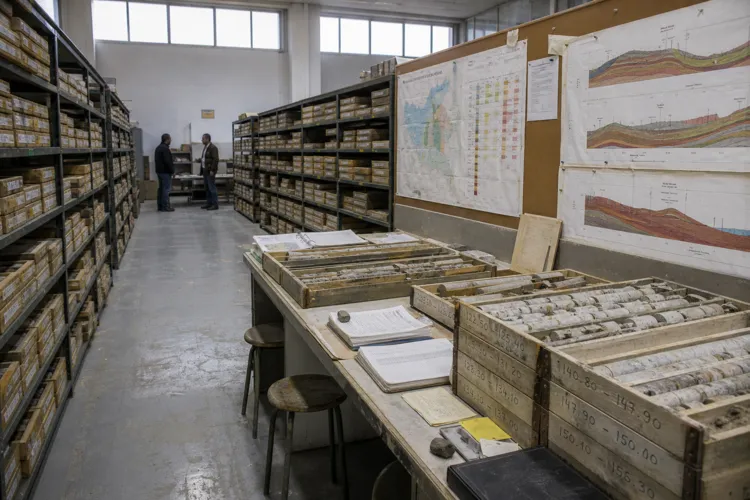
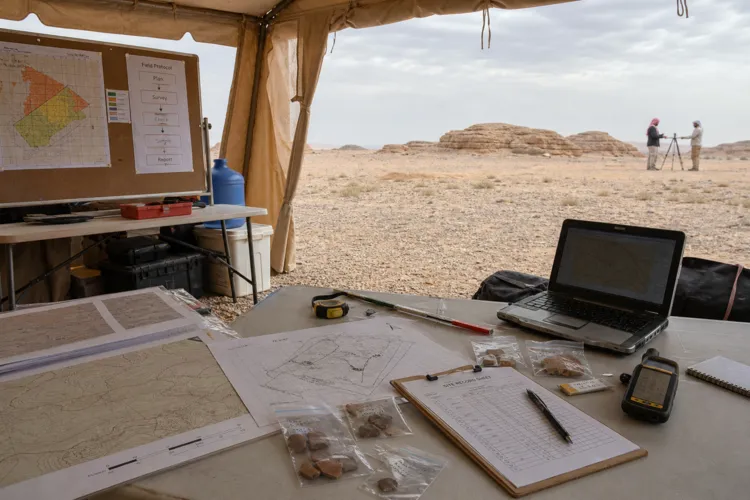
The exploration focus is the Arabian Shield. This geological formation is rich in minerals and stretches across western Saudi Arabia. To understand its potential, the Saudi Geological Survey launched large-scale airborne geophysical campaigns.
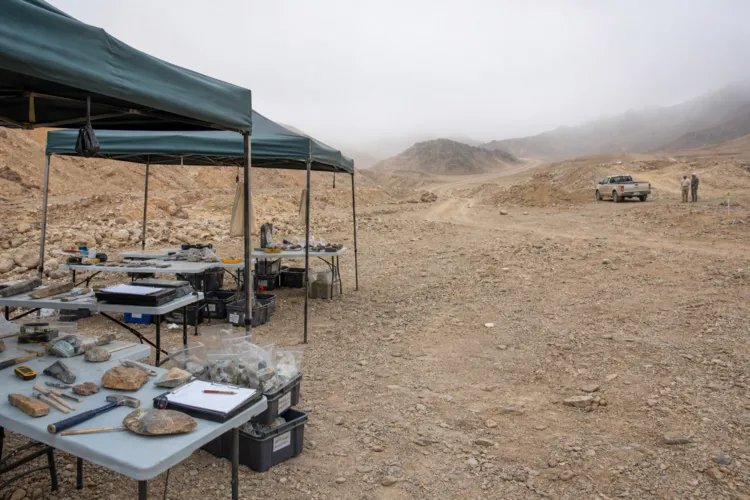
So far, airborne magnetic and radiometric surveys have covered about 30% of the Arabian Shield. That equals roughly 180,000 square kilometers. At the same time, geochemical surveys have analyzed 35,575 surface samples across 40% of the Shield, or around 218,000 square kilometers. These samples were tested for several elements, including uranium.
The data coverage shows steady progress. It also creates opportunities for geological modeling, resource estimation, and feasibility studies.
In 2023, SRK Exploration mapped 550 square kilometers across six prospects in the central and southern Arabian Shield. The company also relogged more than 2,000 meters of historical drill core. This helped identify concealed mineralization targets. These steps move Saudi uranium exploration from broad surveys toward more targeted development work.
Yellowcake Strategy and the Full Nuclear Fuel Cycle
The exploration push is not isolated. It connects directly to Saudi Arabia’s nuclear ambitions.
In January 2025, Energy Minister Prince Abdulaziz bin Salman announced plans to produce “yellowcake,” or uranium ore concentrate. The strategy includes producing, enriching, and selling uranium internationally. This aligns with the Kingdom’s broader objective to monetize all its mineral resources.
Yellowcake production is a key step in building a full nuclear fuel cycle. Saudi Arabia has already launched its National Atomic Energy Project in 2017. The plan includes bids for two large reactors and domestic enrichment capabilities.
If the identified deposits in the Arabian Shield prove commercially viable, the Kingdom could fuel its own reactors and export surplus uranium. This creates long-term economic value beyond domestic energy security.
For consultants, this stage is critical. Moving from exploration to yellowcake production requires advanced feasibility assessments, environmental studies, and operational planning.
A Structured Regulatory Framework Opens the Door
Because uranium is sensitive, regulation is strict. Saudi Arabia has built a clear framework to manage this.
The Nuclear and Radiological Regulatory Commission (NRRC) oversees nuclear and radiological activities. It has already issued export permits for ore samples and notifications for exploration at potential sites.
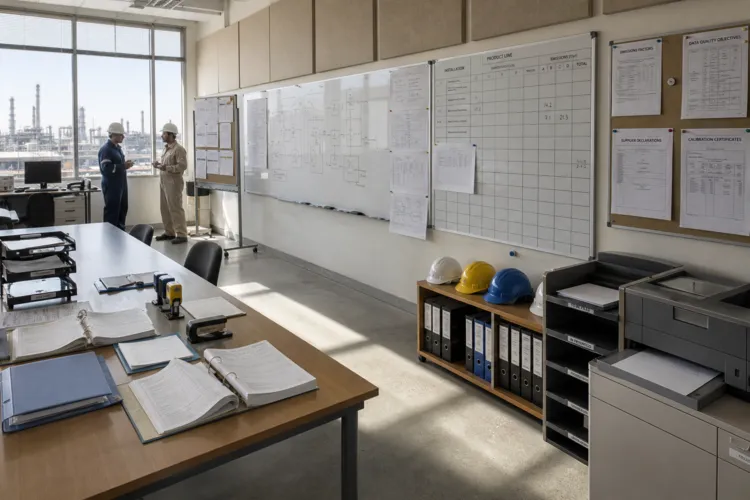
In 2024, the NRRC introduced Specific Regulation NRRC-R-01-SR06. This regulation creates a full licensing pipeline. Companies must submit notifications for exploration. Separate licenses are required for mining, milling, construction, operation, and even decommissioning.
The framework is based on International Atomic Energy Agency standards. It requires radiological impact assessments, waste management plans, and long-term monitoring systems. Safety, security, and non-proliferation are mandatory elements.
This structure provides clarity. It also increases demand for specialists. Geological consultants, environmental experts, radiological safety advisors, and compliance professionals all have roles to play.
A Sensitive Yet Lucrative Consulting Frontier
The numbers tell a strong story. More than 90,000 tonnes of potential uranium reserves. Survey coverage of up to 40% of the Arabian Shield. Over 35,000 surface samples analyzed. A full regulatory framework already in place.
Saudi uranium exploration is no longer theoretical. It is organized, regulated, and advancing step by step.
For specialized geological consultants, this is a high-stakes opportunity. The sector is sensitive. It requires technical precision and regulatory discipline. But it also offers long-term contracts tied to national energy strategy and mineral monetization.
As Saudi Arabia builds its nuclear future, uranium exploration is becoming a strategic pillar. And those who understand geology, compliance, and nuclear safeguards may find themselves at the center of one of the Kingdom’s most important new industries.
Read more: Saudi Lithium Extraction Technologies: Brine is The New White Oil