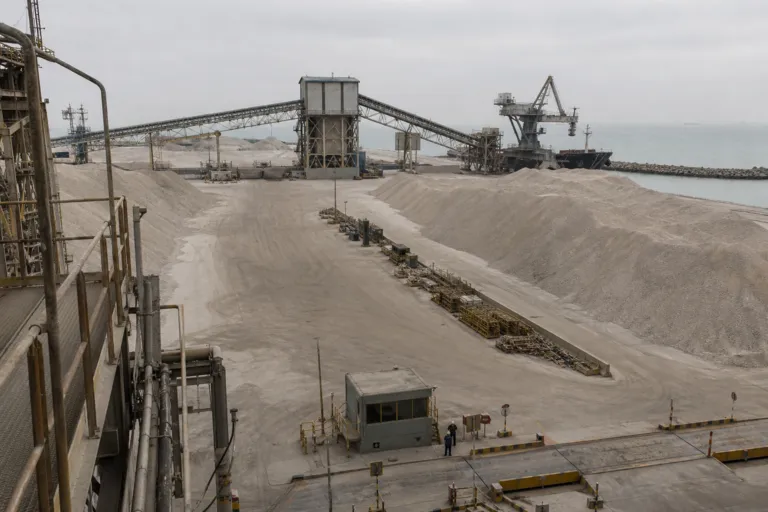
Global phosphate markets are shaped by concentration, industrial strategy, and sudden disruptions. In 2025, global phosphate rock production totaled 250 million metric tons, according to the US Geological Survey (USGS). Demand also rose: world consumption of P2O5 contained in fertilizers was estimated at 47.8 million tons in 2025 versus 47.1 million tons in 2024, and it was projected to reach 51.5 million tons by 2029, with growth expected in Asia and South America. Phosphate is mainly used in fertilizer for crops and animal feed supplements, and only 5% of world phosphate production is used for other applications. This sets the context for Saudi Arabia–Morocco phosphate competition, where a small group of suppliers can move prices and availability.
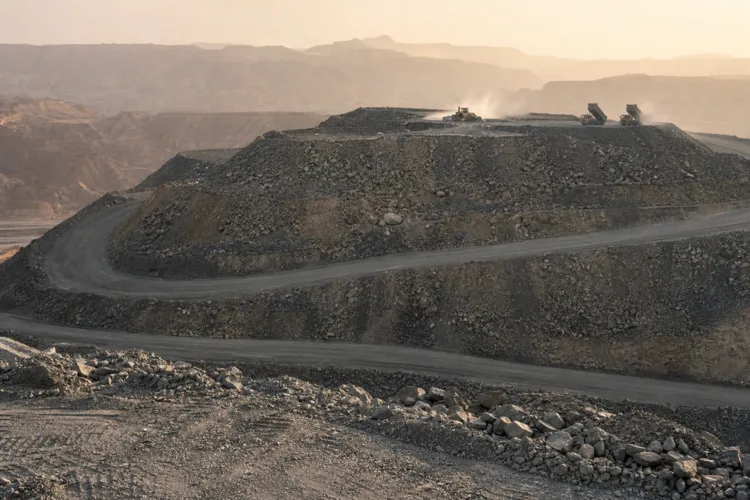
Morocco’s scale is anchored in reserves and an integrated export model led by the state-owned OCP Group. One source states Morocco holds nearly 70% of the world’s known phosphate reserves. USGS-linked production rankings put Morocco at 36 million metric tons of phosphate rock in 2025 (up from 35.3 million the prior year) with 50 billion metric tons of reserves, and say that output comes from OCP mines including Khouribga and Gantour. OCP’s downstream footprint also shows up in export volumes: in 2020, OCP mining operations produced 40.7 million tons of phosphate and exported 10.3 million tons of raw material. From its phosphate supplies, OCP manufactured 7.1 million tons of phosphoric acid while exporting 1.9 million tons, and its 2020 phosphorus fertilizer production totaled 11.3 million tons, of which 11.2 million tons were exported.
Competition Tightens When Logistics and Trade Rules Shift
Even with Morocco’s scale, competition is real because buyers watch shipment routes, policy decisions, and export restrictions. Farm Policy News described a market “price war” driven by a small set of global suppliers, naming the five largest as China, Morocco, Saudi Arabia, Russia, and the U.S. The same reporting highlighted how trade rules can re-open demand: Morocco’s state-owned OCP returned to the U.S. phosphate fertilizer market after President Donald Trump suspended countervailing duties in June, with a first shipment landing in New Orleans. At the same time, logistics can restrain rivals. StoneX’s Josh Linville pointed to constraints affecting Saudi Arabian supply and said, “The Strait of Hormuz is half the world’s tradable supply,” adding that with Russia’s export ban “two-thirds—literally, 2 out of every 3 tons around the world is missing.”
Price signals underscore how quickly disruptions can amplify the stakes for exporters. Investing News Network reported that phosphate prices climbed higher in 2026, and in April the average price of diammonium phosphate fertilizer rose above US$700 after exports of phosphate rock and sulfuric acid were impacted by the closure of the Strait of Hormuz following the US-led war in Iran. Morocco’s industrial positioning is designed to compete beyond raw rock by shipping diversified products. One account describes OCP’s transformation into a global leader across the fertilizer value chain, centered on a large hub in Jorf Lasfar that produces at least 45 different blends for export. Another source puts OCP’s output at around 35 million tons of phosphate rock annually and more than 12 million tons of phosphate fertilizers, illustrating the industrial breadth that can matter when buyers pivot among suppliers.
Cooperation exists alongside rivalry, especially through joint ventures and market-building in high-growth regions. The Oxford Handbook chapter emphasizes Morocco’s near-monopolistic role as a supplier and argues Saudi Arabia does not have the reserves to compete with OCP on the phosphate rock market, even while countries like Saudi Arabia position themselves as exporters of phosphate and phosphate-based products. OCP also uses partnerships to lock in demand and move closer to end markets. A joint venture between OCP and the Indian cooperative KRIBHCO was signed in October 2016 in Krishnapatnam, focused on producing NPK fertilizers intended for many small local farmers. In practice, the contest is not only about tonnage, but also about downstream products, access to shipping lanes, and the ability to keep contracts flowing when trade policies and conflict reshape supply.
How does Saudi Arabia–Morocco phosphate competition show up in global supplier rankings?
What phosphate rock and fertilizer volumes are reported for Morocco’s OCP?
What do the sources say about Morocco’s reserves position?
How did U.S. trade policy affect OCP’s access to the American market?
What demand and production figures frame the broader phosphate market outlook?