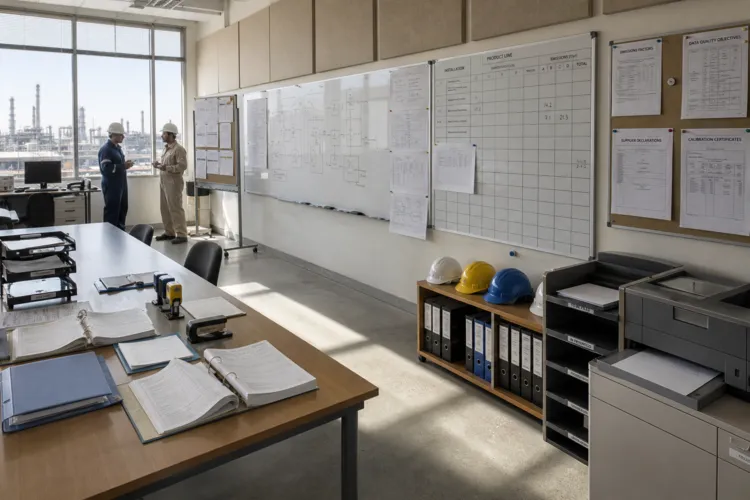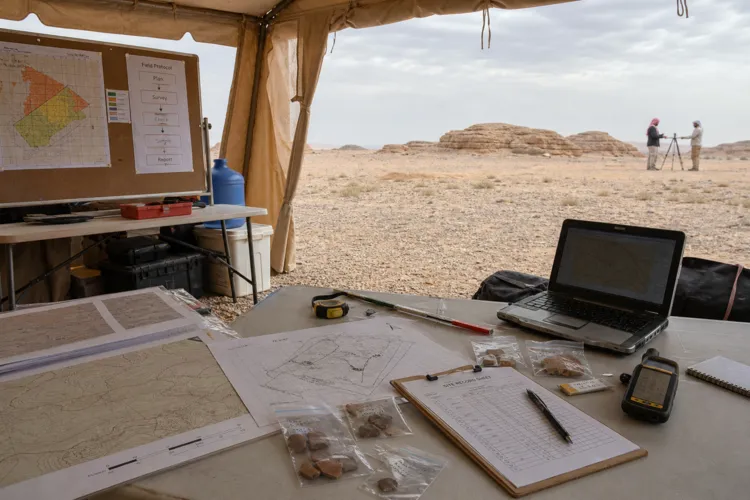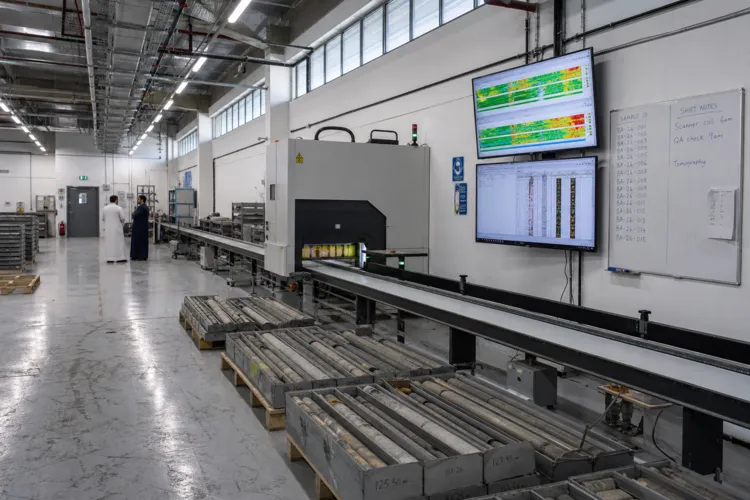
In Saudi Arabia, the mining sector is expanding as part of Vision 2030, where mining is described as the “third pillar” of the plan to diversify an economy historically reliant on oil. That pace creates opportunity, but it also raises expectations. Environmental stewardship and community engagement are described as critical as Saudi Arabia expands mining activities. Compliance with international standards is also positioned as a factor that will influence investor confidence and the social licence to operate. For operators, earning trust is not a slogan. It is day-to-day proof that benefits and protections are real, and that local concerns shape decisions.
Saudi Arabia is also reshaping the institutional foundations that underpin community confidence. The Saudi Mining Investment Law, implemented in 2021, is described as establishing a clear, transparent framework for issuing mining licences and securing investor confidence. Riyadh says the law emphasises good governance, streamlined licensing, and robust sustainability and environmental protections. Digitalisation supports that direction through electronic platforms for licence applications and approvals, aimed at reducing bureaucracy and uncertainty. When communities see a predictable system with visible standards, it becomes easier to separate serious long-term operators from short-term speculation.
What “Community Engagement Done Right” Looks Like in Practice
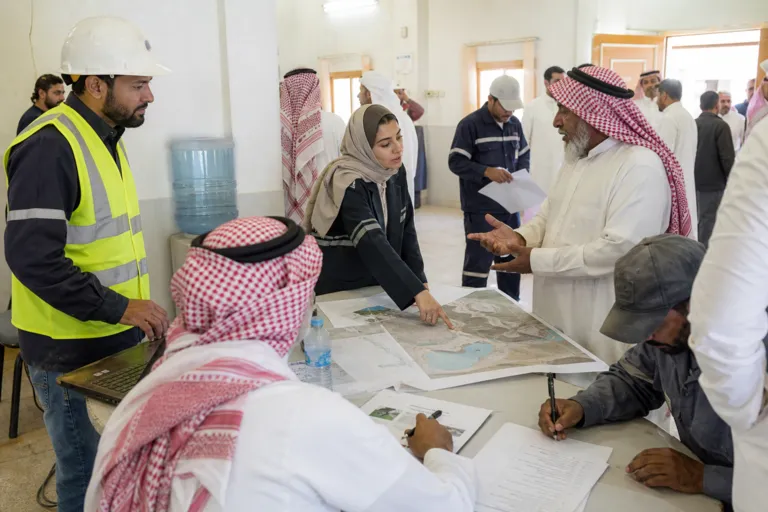
Multiple sources point to a practical, benefits-based model. Community engagement programmes are described as ensuring mining development benefits local populations through employment opportunities, skills development, and infrastructure improvements, creating positive relationships between mining companies and local communities. This links to a wider view that mining development creates multiplier effects by generating employment opportunities, supporting service industries, and attracting additional foreign investment. In parallel, education-to-employment pathways can make engagement tangible. Hexagon’s partnerships with King Saud University (KSU) and King Fahd University of Petroleum and Minerals (KFUPM) include software licences, faculty and student training programmes, and internship opportunities at its Riyadh office, while a collaboration with King Abdulaziz University (KAU) seeks to modernise mining curricula and expand professional development pathways.
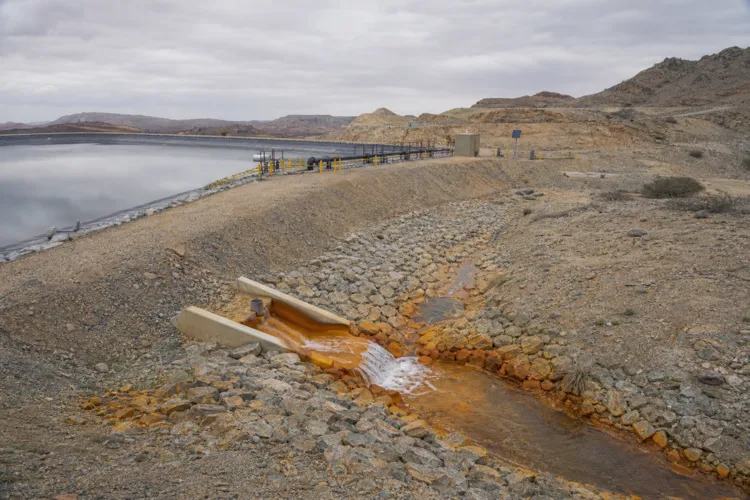
Environmental performance sits at the center of social licence. Modern mining operations are described as requiring comprehensive environmental management systems and community engagement programmes, with Saudi Arabia incorporating these requirements from the outset rather than retrofitting. Water management is highlighted as a particular challenge in the Kingdom’s arid climate, with a need for efficient water use systems and recycling technologies. Other cited measures include comprehensive carbon footprint monitoring for new and operating mines, along with water recycling, tailings management, and biodiversity conservation measures implemented sector-wide. Operators that measure, mitigate, and transparently report impact can better defend their projects in public, and align their operations with the sustainability expectations described in the sources.
International signals and local delivery reinforce each other. ICMM membership is described as demonstrating Saudi Arabia’s commitment to international mining industry standards and best practices, including expectations for environmental management, safety protocols, and community engagement. At the company level, Ma’aden is described as using proactive environmental management and community engagement to help ensure permit grants and positive local impact, including proactive engagement and benefit-sharing with local communities, especially in remote project zones. For investors, transparent rules, stable governance, and credible ESG execution combine into confidence. For communities, the same package should translate into jobs, skills, and infrastructure improvements that can be seen and tracked over time.
Social licence is also shaped by how development connects to place. Brunswick Exploration’s pending Saudi lithium exploration licence covers 8,467 hectares and is described as accessible by major highways with smaller roads throughout the project area. That accessibility can support logistics, but it also increases the need for clear communication and structured engagement where communities interact with project activity. Meanwhile, infrastructure development is described as a factor for the sector, including transportation networks, power supply, and processing facilities, with execution timelines mattering. When companies pair transparent permitting with early community programmes, strong environmental systems, and credible training pathways, they build the durable trust that the mining social license Saudi Arabia needs.
What is “mining social license Saudi Arabia” in practical terms?
How does regulation support social licence in Saudi mining?
What community benefits are highlighted for mining projects?
Which environmental issues are emphasized in the sources?
What role do skills and education pathways play?