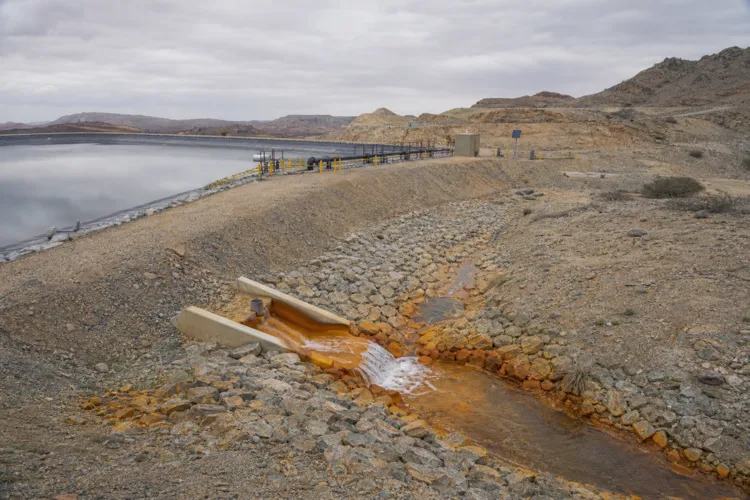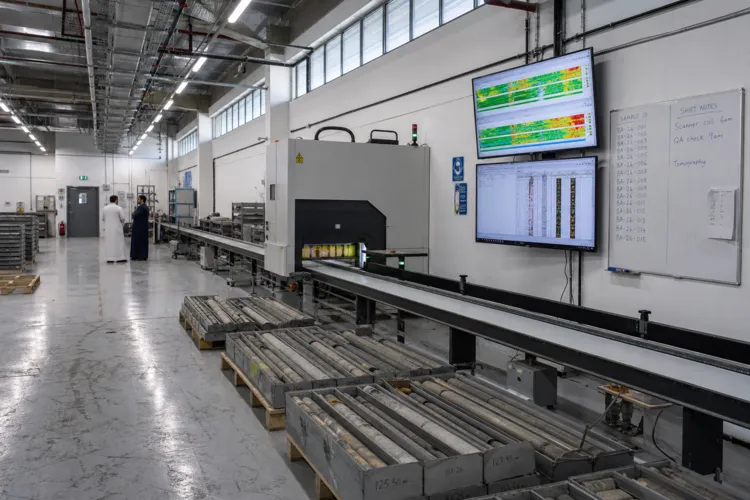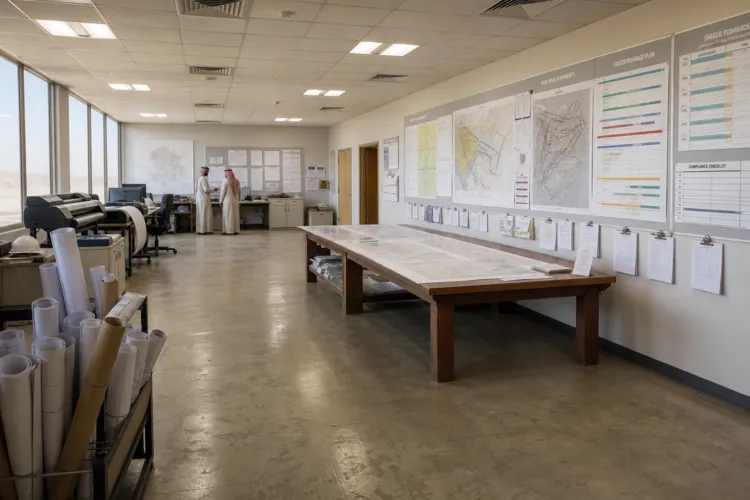
In arid mine planning, tailings are not only a disposal issue. They are a water and risk issue. Filtered tailings, also called dry stack tailings, are increasingly evaluated as an alternative to whole slurry, thickened, and paste tailings, with decision drivers tied to physical stability and reduced short- and long-term liability for tailings storage facilities. This shift has been reinforced by broader regulatory pressure around responsible tailings management and community safety, which pushes operators to invest in solutions that reduce environmental risk and reputational exposure. In that context, dry stack tailings in Saudi Arabia are discussed less as a niche choice and more as a design approach that can fit arid constraints.
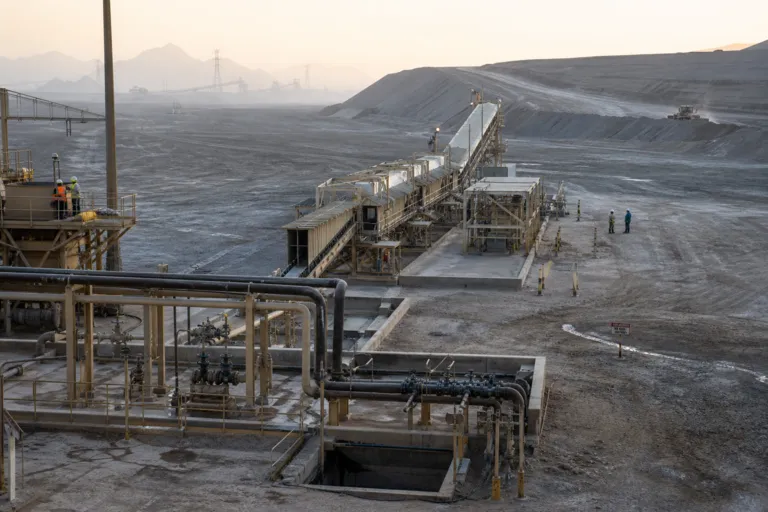
Dry stacking changes the tailings pathway by removing as much water as possible before storage. One common description is a dewatering step using high-pressure filters, thickeners, or centrifuges that produces a filter cake with low moisture content, commonly around 15–30% depending on the material. Dewatered tailings are then transported, often by conveyor belts or trucks, and compacted and stacked in a controlled manner to form a stable structure. A key operational goal is water management: water removed during dewatering can be recycled back into the mining process, reducing freshwater intake and improving operational efficiency, which is repeatedly framed as a critical advantage in arid mining regions.
Why Filtered Tailings Are Reshaping Arid-Region Design Choices
Design logic for filtered stacks often starts with reducing reliance on conventional tailings dams. One industry framing is direct: unlike conventional tailings storage, dry stacking eliminates the need for tailings dams entirely, with filtered tailings transported by conveyor and stacked in a stable, dry form. Engineering and research commentary also emphasizes that tailings filtration can deliver substantial environmental and operational benefits, because maximum process water recovery is crucial in arid regions and reduces a mine’s water footprint. Another commonly cited advantage is the ability to progressively rehabilitate mined land, pairing deposition planning with closure thinking rather than treating rehabilitation as a distant end-stage activity.
However, arid-region design must also plan around practical constraints created by the same dryness that makes water recovery valuable. Filtered tailings evaluations cite potential difficulties dewatering finer grinds, current limitations on daily throughput, and increased operating costs. Research on deposits in arid or semi-arid regions also highlights particulate matter emissions risk: without protection, typical winds can generate dust containing metals or other potentially toxic elements, affecting nearby communities and air quality. Dust-control measures can include covers that act as a physical barrier against wind-driven fines, which becomes an explicit part of stack layout, surface management, and operating procedures.
Saudi project teams are also designing amid a broader global trend: technology and ESG expectations are increasingly integrated into tailings decisions. Market commentary points to automated monitoring systems, advanced filtration technologies, and real-time data analytics as innovations reshaping tailings management, with estimates suggesting potential growth of 6.5% annually in adoption of these technologies. In parallel, the same source projects the tailings management market to grow at a compound annual growth rate of approximately 5.2% over the next five years, reflecting rising environmental awareness. Another investment-oriented perspective summarizes the tradeoff clearly: dry stack technologies demonstrate superior water conservation performance while requiring substantial initial capital investment, pushing early-stage design to treat sustainability as a foundational element rather than a retrofit.
What are dry stack (filtered) tailings, in simple terms?
How does the process typically work from plant to storage?
Why is this approach attractive for arid projects in Saudi Arabia?
What key constraints should designers consider with filtered stacks?
How are technology and ESG trends influencing tailings decisions?