Saudi Arabia is trying to turn critical minerals into a new engine for economic diversification. Multiple sources link this push to Vision 2030 and to the global energy transition. The goal is not only to mine more, but also to build processing and refining capacity, which is a known bottleneck in global supply chains.
One reason the story is changing is scale. An ORF Middle East analysis says a systemic expansion of Saudi Arabia’s mining sector and critical minerals processing capacity could contribute close to US$75 billion to GDP by 2030. It also says this would be an increase of more than US$50 billion from 2024 figures. The same analysis connects minerals to downstream industries like magnet production and advanced electronics manufacturing.
Saudi targets also point to rising domestic demand. ORF Middle East says Saudi Arabia’s energy transition agenda aims at 130GW by 2030, with 50 percent coming from renewable energy sources. It adds that critical minerals are central across the transition value chain, including magnets, nuclear energy, green hydrogen, and electric vehicles.
Why the Kingdom Can Act as a Regional Processing Hub
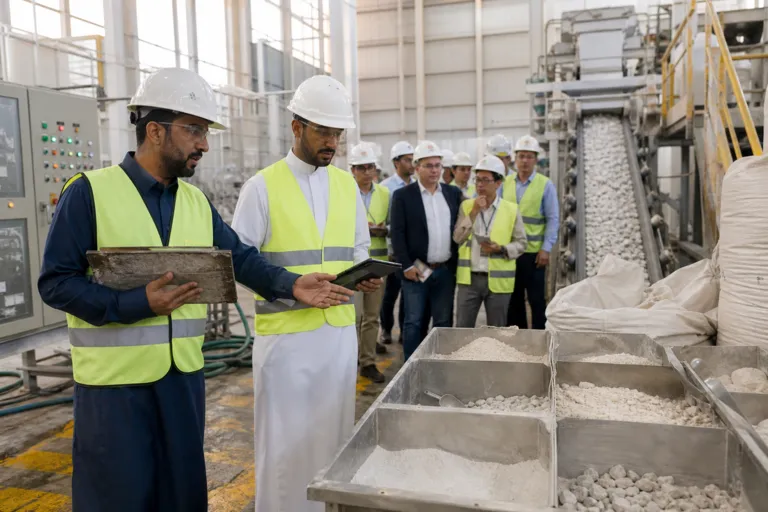
Several sources say the strategy is about more than domestic minerals. CSIS says the kingdom is positioning itself to become a global hub for refining and midstream capacity across a broader suite of critical minerals, including nickel, aluminum, gallium, copper, lithium, and phosphates. CNN adds that experts say Saudi Arabia’s growing infrastructure could position the country as a regional hub for refining critical minerals mined elsewhere.
Partnerships are also central. CSIS says the United States and Saudi Arabia established a Strategic Framework for Cooperation on securing uranium, metals, permanent magnets, and critical mineral supply chains, designed to facilitate two-way investment. The same CSIS analysis says the U.S. Department of Defense, renamed the Department of War, announced it will finance a 49 percent equity stake in a new rare earths refinery in Saudi Arabia.
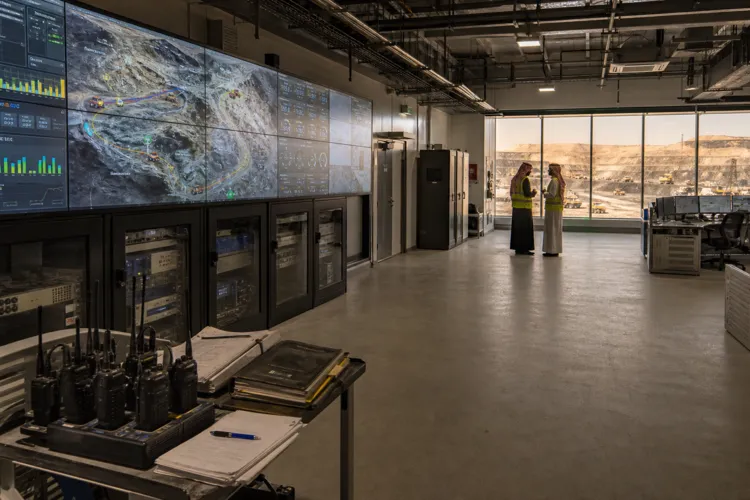
On the ground, the country points to readiness and mineral potential. Arab News says Saudi Arabia has 933 active mining and exploration sites, and it cites an estimated 67 million ounces of gold as of 2025. ScienceDirect highlights the Arabian Shield as host to significant deposits of phosphates, copper, gold, and critical minerals. It also links the region’s momentum to geology, policy, and readiness of infrastructure, while noting that sustainable mining practices matter, including low-impact mining, water-saving processing, and land rehabilitation.
Why is critical minerals Saudi Arabia a growing global topic?
How much could mining and processing add to Saudi GDP by 2030?
What energy target links Saudi Arabia to critical minerals demand?
What does the U.S.-Saudi minerals cooperation include?
What signs show Saudi Arabia is ready to scale mining activity?