Mine closure is a promise. It means a mining company must leave land stable, safe, and useful after mining ends. In Saudi Arabia, this work matters because the Kingdom is developing a major mining sector under Vision 2030. The Mining Investment Law is the 2020 framework that governs the full lifecycle, from exploration to mine closure. It also strengthens environmental protections and sets environmental obligations for licence holders.
A mine reclamation plan works best when it starts early. Guidance on mining site rehabilitation calls for a Rehabilitation and Closure Plan (RCP) at the earliest planning stages, with clear milestones. It also says rehabilitation costs must be part of project economics from the outset, with funding mechanisms in place prior to closure. This approach reduces last-minute risks and supports better outcomes.
Saudi Arabia’s licensing approach also points to specific closure expectations. Land rehabilitation standards require detailed closure planning, financial guarantees for restoration activities, and long-term environmental monitoring commitments. These requirements push operators to plan for restoration, not only extraction. They also fit with the Ministry of Industry and Mineral Resources role in oversight, including inspections, compliance auditing, and penalty enforcement mechanisms.
What “Good Closure” Looks Like on the Ground
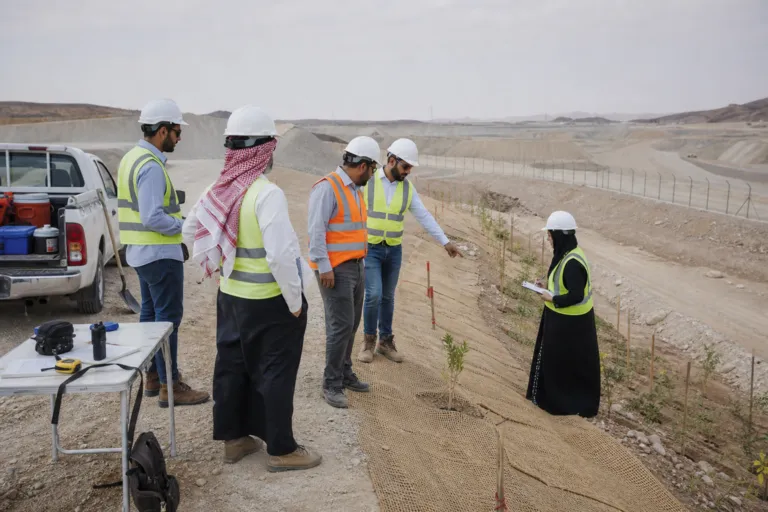
Practical mine reclamation often combines several approaches. One closure-focused view explains that progressive rehabilitation is a key component of mine closure. This means staged treatment of disturbed areas during exploration, construction, development, and mining operations. Work begins as soon as areas become available, instead of waiting for the end of mining. This can also help integrate closure and post-closure land use objectives into daily operations.
Reclamation and rehabilitation are closely related, but they can be described in different ways. Rehabilitation is commonly used for returning a site to a similar ecological state and or function to what existed before disturbance. Reclamation is described as physical stabilization of the terrain, landscaping, restoring topsoil, and returning land to a useful purpose. A strong closure plan can use features of more than one approach, depending on site needs.
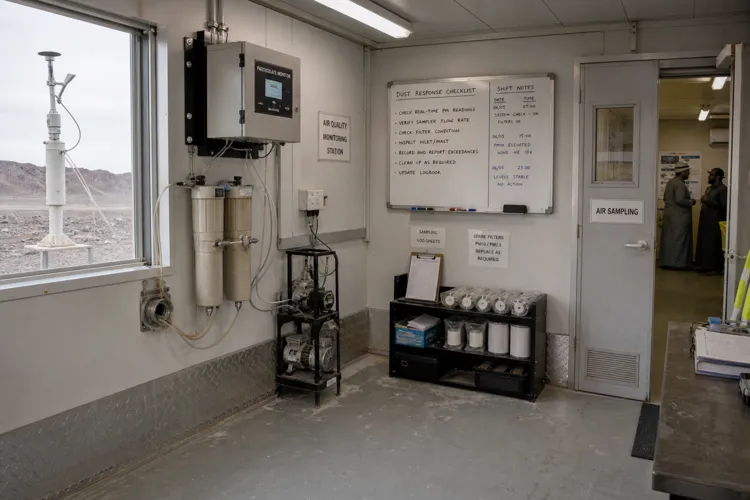
Monitoring is not optional if a company wants lasting results. Long-term monitoring helps check if the developing ecosystem meets site-specific closure objectives over time and under climate change scenarios. Another rehabilitation guide adds that consistent monitoring and adaptive management can drastically increase the likelihood of meeting regulatory closure obligations and support long-term land value after mining. It also warns that failing to update rehabilitation methods with real-time climate, soil, or ecological data after closure can increase the risk of failure.
In Saudi Arabia, the public sustainability message is also clear. The Ministry describes rehabilitation of mining sites as a key pillar to restore natural landscapes and promote biodiversity. This framing connects closure actions to wider environmental goals across the mining value chain. For operators, the takeaway is simple: plan early, fund closure, rehabilitate progressively, and keep monitoring long after operations stop.
How does Saudi Arabia’s Mining Investment Law relate to mine closure?
What does Saudi licensing expect for land rehabilitation?
What is progressive rehabilitation and why does it matter?
What is mine reclamation in practical terms?