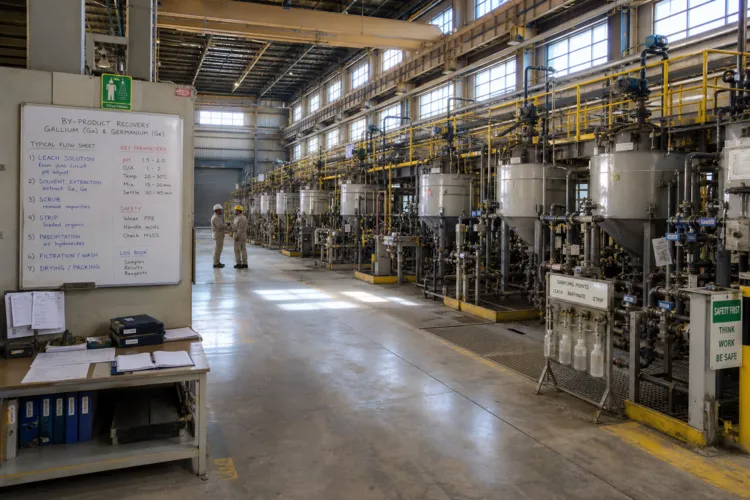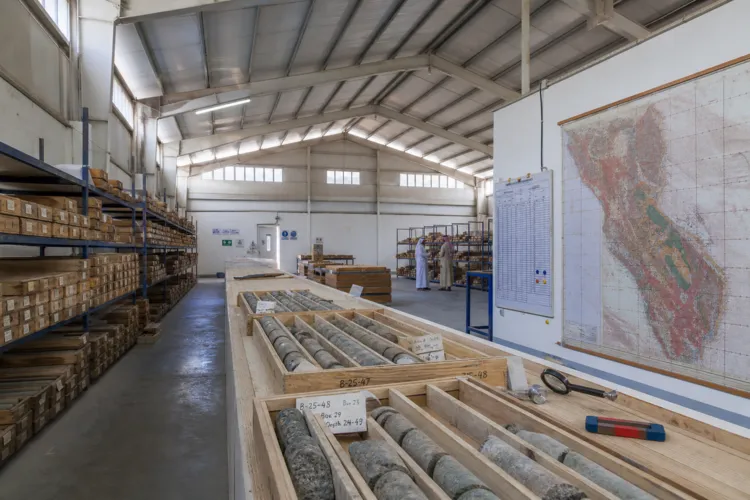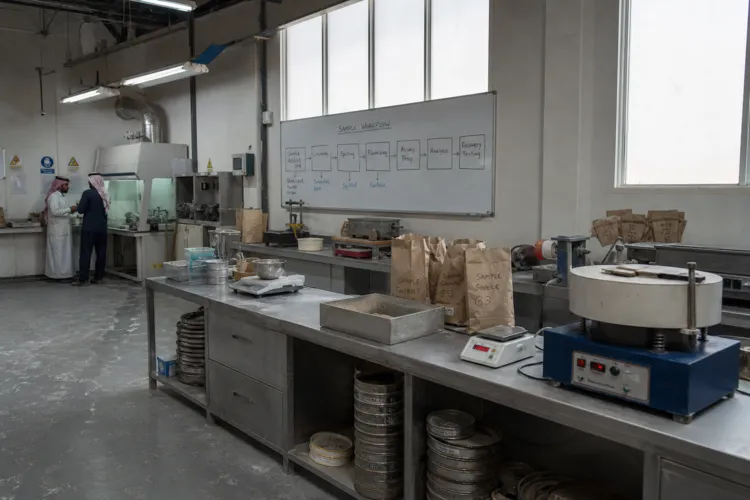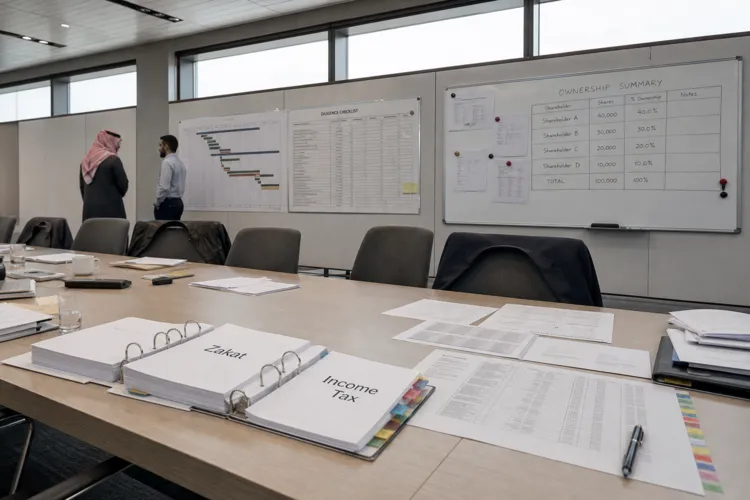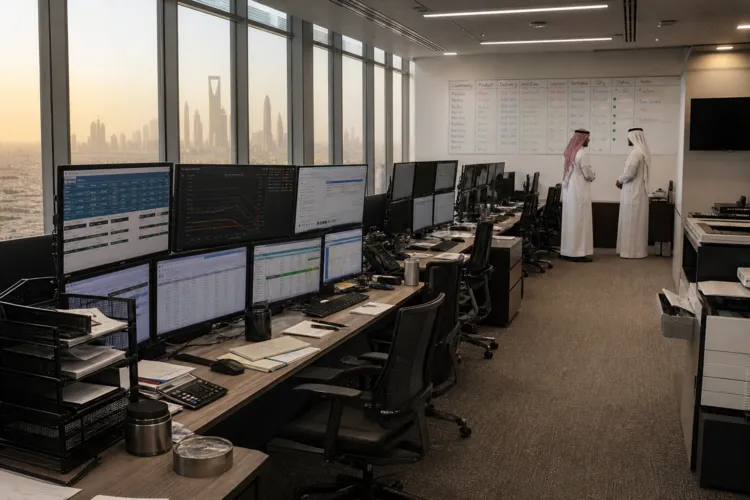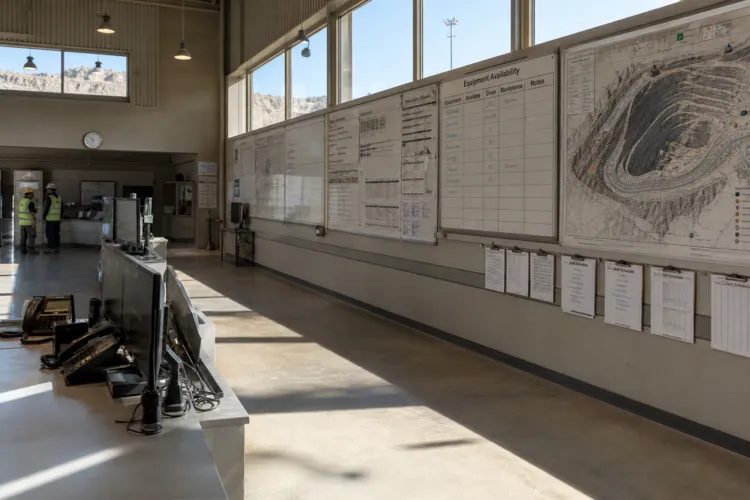
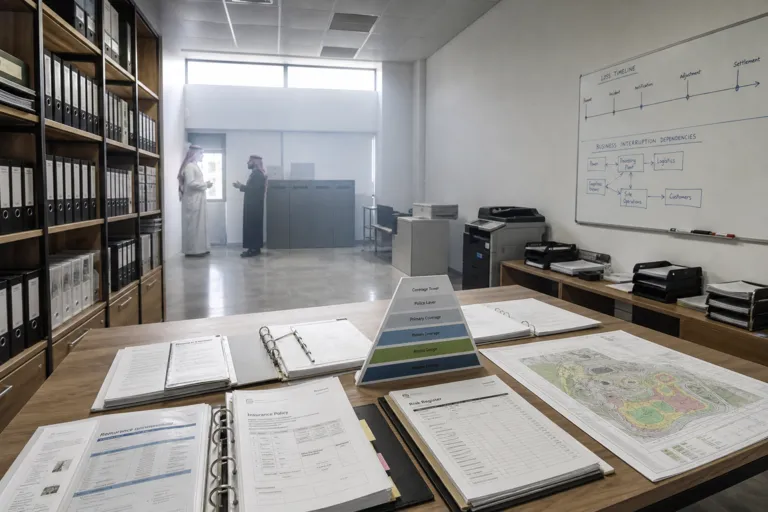
Mining risk is not only about the ore body. It is also about plant, infrastructure, people, and time. Specialty mining insurance is commonly positioned as energy insurance that can cover open-pit and underground operations against physical loss to mining plant and infrastructure, business interruption from lost production, and liability for personal injury, property damage, and pollution. The same sources highlight tailings dam failure as a catastrophic exposure. For Saudi projects, structuring risk transfer around these core exposure types can help align lender expectations with operational realities, while keeping coverage tied to identifiable loss scenarios.
Saudi Arabia’s mining sector also sits inside a measurable economic frame. One source cites a Saudi mining GDP figure of $58 billion for Q3 2024 (GASTAT), and presents it as a benchmark for checking the scale of operations. That matters because insurance design tracks asset values and production dependency. Globally, a market research report values the global mining insurance market at $4.8 billion in 2025 and projects it to reach $7.3 billion by 2034 at a 5.2% CAGR. It attributes growth to increasing operational complexity, stricter regulatory requirements, and heightened awareness of financial protection, themes that can influence how mining insurance in Saudi Arabia is discussed with international markets.
Building a Saudi Mining Insurance Program: Core Covers and Proof
A practical program usually starts with covers that mirror the mine’s critical path. The cited market segmentation for mining insurance includes property, liability, business interruption, and cargo and transit, along with other options. Coverage can be framed by mining method too, including surface and underground mining. Each class maps to different failure modes, such as physical damage to processing infrastructure and the time impact of lost production. Separately, the same market report notes that in some jurisdictions operators must show adequate insurance as a prerequisite for permits, using examples from Australia (enhanced mandatory requirements in 2024 for metalliferous mining) and African jurisdictions tightening licensing conditions. These are not Saudi rules, but they illustrate why Saudi projects seeking partners or capital often treat verifiable insurance evidence as part of project readiness.
For capacity and pricing conversations, it helps to know where specialist markets concentrate. A mining insurance reference notes that the market is concentrated in Lloyd’s, the London company markets, Bermuda, continental Europe (notably Switzerland’s mining reinsurance market), and Australia. It also links market tightening to major tailings dam losses, citing the 2019 Brumadinho failure in Brazil, which killed 270 people and is reported to have resulted in insurance losses of US$1.5bn–US$2bn, as well as the 2015 Mariana failure (also in Brazil). These events are not Saudi, but they shape underwriting posture worldwide, especially around high-severity hazards and pollution liabilities that can sit inside a Saudi mining insurance placement.
Beyond traditional indemnity covers, parametric solutions are increasingly discussed as complements for operational resilience. A parametric market source says Saudi Arabia is expected to grow at the fastest CAGR in the MEA market due to increasing investments in climate resilience and infrastructure development under Vision 2030, and it points to the need for advanced risk management solutions across sectors such as renewable energy, construction, tourism, and logistics. It also gives concrete product examples outside Saudi mining, including a January 2025 parametric product for solar farms triggered by a tornado entering an insured zone, and a September 2024 parametric hurricane solution for U.S. Gulf Coast businesses triggered by recorded wind speeds. For Saudi mines, the takeaway is structural: index-based triggers can be designed to release rapid funds after predefined events, while core property, liability, and business interruption insurance continues to address physical damage and downtime.
What risks does mining insurance typically cover for open-pit and underground operations?
What figures help frame the mining economy when discussing insurance in Saudi Arabia?
How big is the global mining insurance market, according to the cited research?
Where do specialist mining insurance and reinsurance markets tend to concentrate?
How do Saudi operators approach mining insurance in Saudi Arabia when considering newer tools like parametric cover?