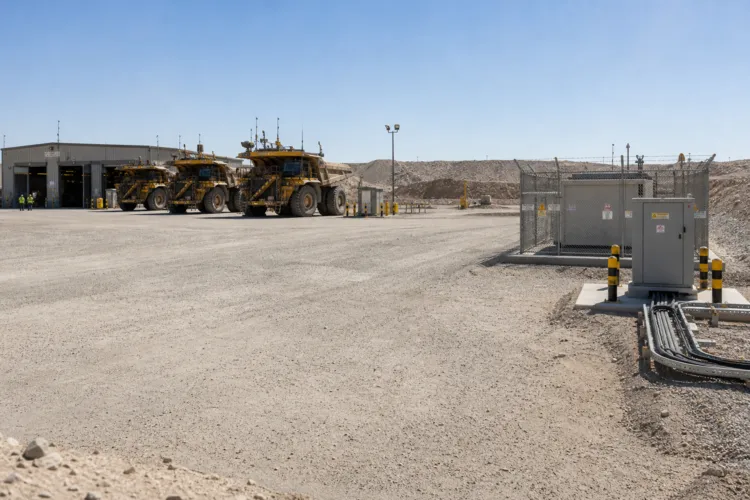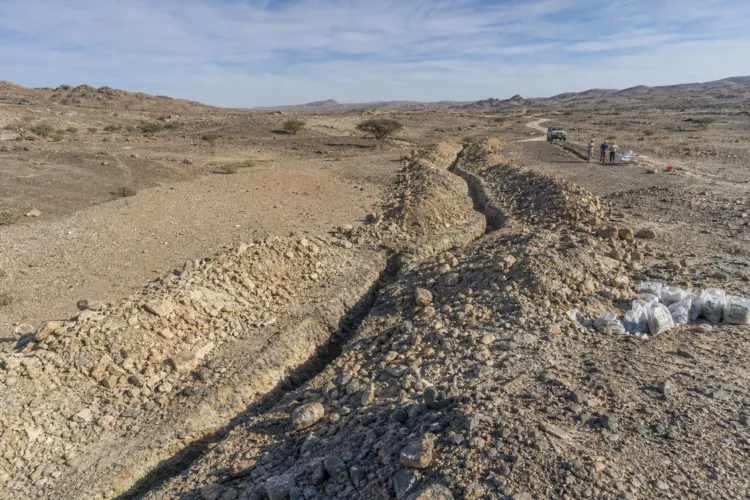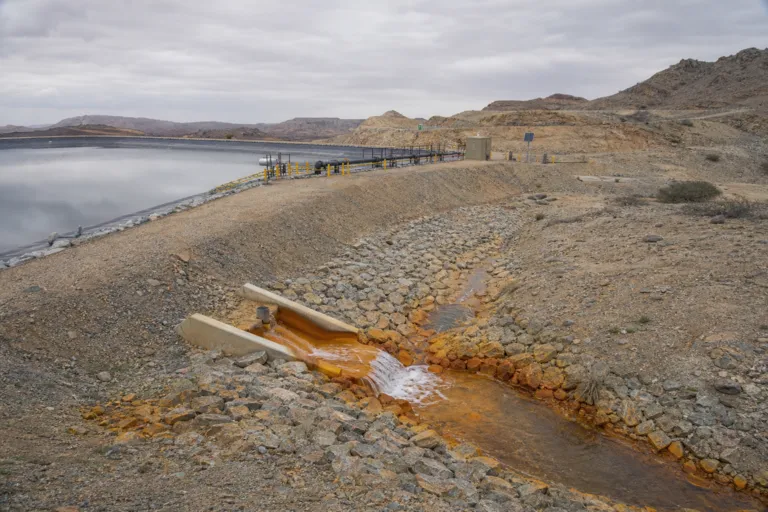
Acid mine drainage (also called acid rock drainage, or ARD) is the formation and movement of highly acidic water rich in heavy metals. It forms through chemical reactions when surface water and shallow subsurface water contact rocks that contain sulfur-bearing minerals, generating sulfuric acid and leaching heavy metals from the rock. The US EPA notes that the resulting fluids may be highly toxic and, when mixed with groundwater, surface water, and soil, can harm humans, animals, and plants. The key point for arid regions is simple: you do not need constant rainfall for the chemistry to start. You need exposure of sulfide minerals to oxygen and water, which mining and earth disturbance can greatly increase.
Mining commonly creates the exposure conditions. Wikipedia describes how tailings piles or ponds and mine waste rock dumps are important sources of acidic drainage after rock is exposed to air and water and metal sulfides oxidize. It also explains that subsurface mining often progresses below the water table, so water is pumped out during operation, but when pumping stops after abandonment, water can flood the mine—an initial step in many ARD situations. Multiple sources emphasize that bacteria and archaea can substantially accelerate these reactions, even though they also occur without biology. In practical terms, this means ARD risk is not limited to wet climates; it is tied to sulfides, disturbance, and water contact events that can happen during operations and post-closure.
Arid Hydrology Still Moves Pollution: Lessons for Saudi Watersheds
Saudi Arabia’s arid-to-semi-arid watersheds can have intermittent surface flow, high evaporation, and low rainfall, yet still show persistent water-quality pressures. A 2026 study of the Wadi Al-Ahsaba watershed in southwestern Saudi Arabia describes an arid to semi-arid catchment with intermittent flow and a dam reservoir built for flood control. The study highlights common reservoir challenges such as eutrophication, sedimentation, and metal contamination, and it concludes that geogenic processes including water–rock interaction, evaporation, and mineral dissolution control general water chemistry. It also notes that limited recharge, hydrological connectivity, and episodic flow control contaminant transport and persistence. For mines in similar settings, episodic storm pulses and connected groundwater pathways can mobilize contaminants even when surface water is not continuously present.
That is why water-quality controls remain relevant for sulfide deposits in arid mines. Farmonaut explains that acidic drainage forms when sulfide-bearing rocks are exposed to water and oxygen, producing sulfuric acid and mobilizing metals such as iron, copper, lead, and zinc; a related water-impacts overview adds that sulfuric acid can dissolve cadmium, lead, arsenic, and mercury from rocks. Minetek similarly notes that when sulfide minerals like pyrite interact with air and water, sulfuric acid forms and can dissolve heavy metals including copper, lead, and mercury that seep into nearby groundwater and surface water. These mechanisms are central to acid rock drainage Saudi Arabia mining risk discussions because water scarcity raises the stakes: contamination of a limited resource can have outsized consequences.
Controls should focus on preventing water–rock interaction and confirming performance through monitoring. Farmonaut’s 2026 strategies emphasize preventive engineering controls as the most cost-effective approach, citing measures such as robust waste management, diversion channels, waste rock segregation, impermeable liners, and water diversion to minimize the trigger for ARD formation. It also describes sulfate-reducing bioreactors that use organic substrates to promote sulfate-reducing bacteria, producing bicarbonate alkalinity and precipitating metal sulfides. Minetek adds that accurate identification requires pH testing and heavy metal analysis near mining sites with exposed sulfide minerals, and it frames prevention as controlling exposure by sealing waste rock, managing runoff, and using alkaline materials to neutralize acidity. Together, these steps align with arid-basin realities: flows may be episodic, but controls must be continuous.
What is acid rock drainage, and why does mining increase it?
Can acid drainage persist after a mine closes?
Why do arid Saudi environments still need water-quality controls around sulfide deposits?
What monitoring is emphasized for identifying acidic drainage near mine sites?
Which preventive controls are presented as most cost-effective for minimizing ARD at the source?