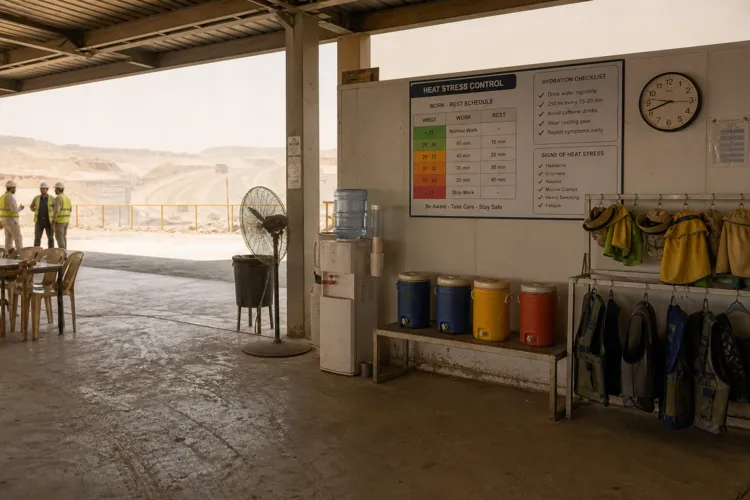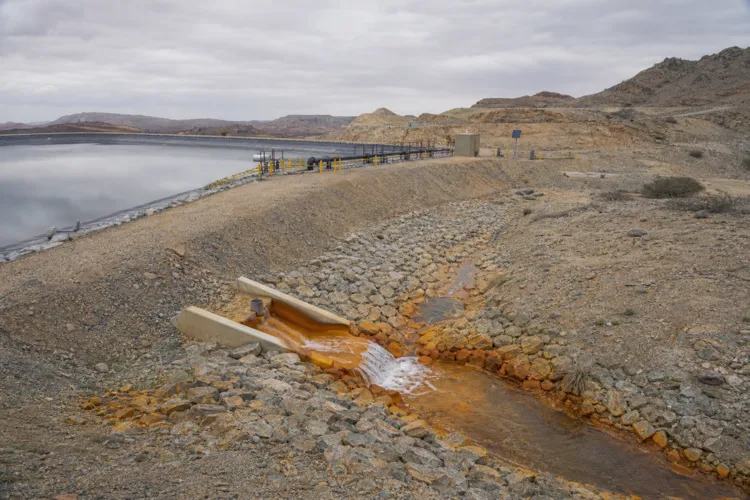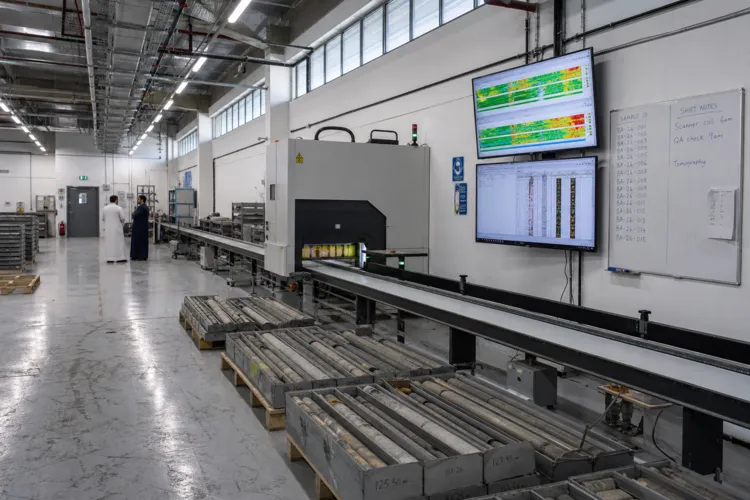
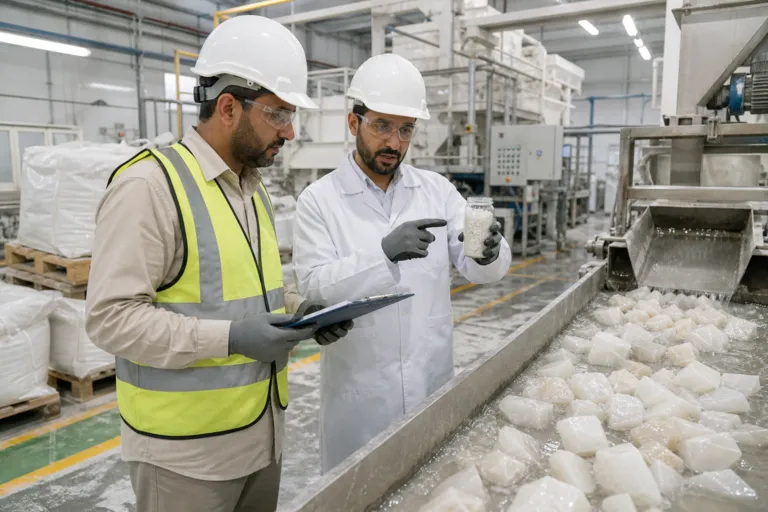
High-purity quartz is no longer a niche industrial mineral. It is an enabling input for semiconductor manufacturing, solar-grade silicon production, precision optics, and specialty glass. In the Gulf, momentum is building because Middle East and Africa demand is expanding with rapid industrialization, growing solar energy initiatives, and rising investments in semiconductor-related infrastructure. Within that regional push, Saudi Arabia is repeatedly cited alongside the UAE and Qatar as part of economic diversification strategies that promote renewable energy and advanced material industries. This is the setting for the high-purity quartz Saudi Arabia discussion: a country positioning itself around the downstream industries that consume contamination-sensitive quartz.
Global growth signals are clear. One estimate puts the global high-purity quartz market at USD 1.08 billion in 2024 and projects USD 1.53 billion by 2033, a 4.1% CAGR from 2025 to 2033, with semiconductors described as the central pillar of demand. Another outlook values the global market at USD 1.15 billion in 2025 and forecasts USD 2.20 billion by 2035, expanding at a 6.71% CAGR from 2026 to 2035; it also notes Asia Pacific held 63% in 2025. A separate projection pegs the market at US$ 2.1 Bn by 2036 at a 6.5% CAGR. Across these views, the same demand centers recur: chips, solar photovoltaics, and telecom and optics.
Why Ultra-High Purity Matters for Chips and Fiber
Quality thresholds shape who can compete. High-purity quartz is defined by very low impurities, and market commentary links performance to optical clarity, thermal stability, and insulation. Processing is also described as costly because it requires advanced refining techniques and strict quality control, while supply chain disruptions and environmental restrictions can limit steady raw material flow. In parallel, the push toward tighter tolerances is explicit in sand-focused research: it references strengthening demand for ultra-high purity grades above 99.99% and tightening metallic and alkali impurity thresholds to sub-20 ppm and sub-10 ppm levels for EUV-compatible fabs and high-yield silicon pulling. That kind of bar raises the strategic value of reliable, traceable feedstock.
Fiber-optics add a second pull on the same material base. A semiconductor-grade quartz sand report projects global optical fiber cable demand will exceed 650 million fiber-kilometers per year by 2027, up from about 500 million fiber-kilometers in 2024. It also states optical fiber preforms require ultra-high-purity synthetic quartz glass produced through flame hydrolysis or chemical vapor deposition, using semiconductor-grade quartz as a key feedstock. This matters to Saudi Arabia because regional market summaries link Middle East and Africa demand to large-scale fiber-optic infrastructure upgrades tied to 5G and photonic communication networks, alongside growing interest in quartzware for power-electronics-linked semiconductor activity.
Regional positioning is increasingly measured in shares and growth rates. For semiconductor-grade high-purity quartz sand, the Middle East and Africa region held a 5.9% share in 2025 and is forecast to grow at an 8.1% CAGR, described as the second fastest globally, buoyed by ambitious solar buildout programs in Saudi Arabia, the UAE, and Egypt. At the same time, supply is described as geographically concentrated, creating strategic vulnerabilities. One example cited is The Quartz Corp’s Drag deposit in Norway, which is characterized as a globally significant source and supported by purification facilities in Drag and Spruce Pine serving semiconductor, solar, optical fiber, and specialty glass customers. For Saudi Arabia, the “bet” is less about copying those sources and more about building demand-linked capability where the region’s growth is already being forecast.
Why is high-purity quartz strategically important for Saudi Arabia’s industrial plans?
What do forecasts say about global demand for high-purity quartz?
How fast is the Middle East and Africa semiconductor-grade HPQ sand market expected to grow?
How does fiber-optics growth affect demand for high-purity quartz?