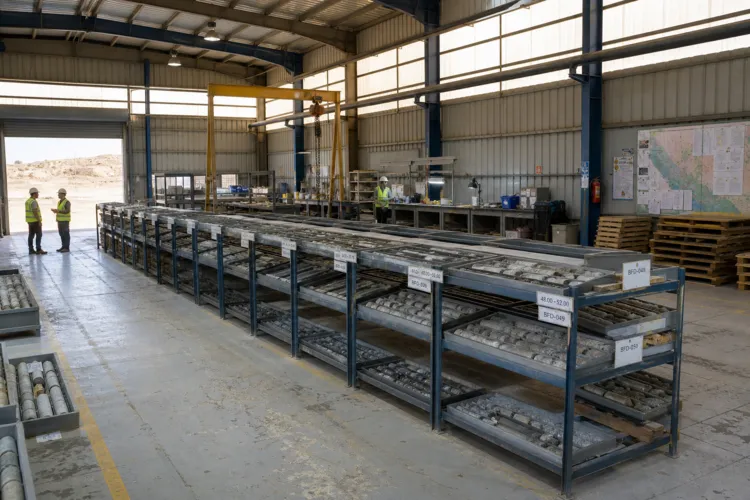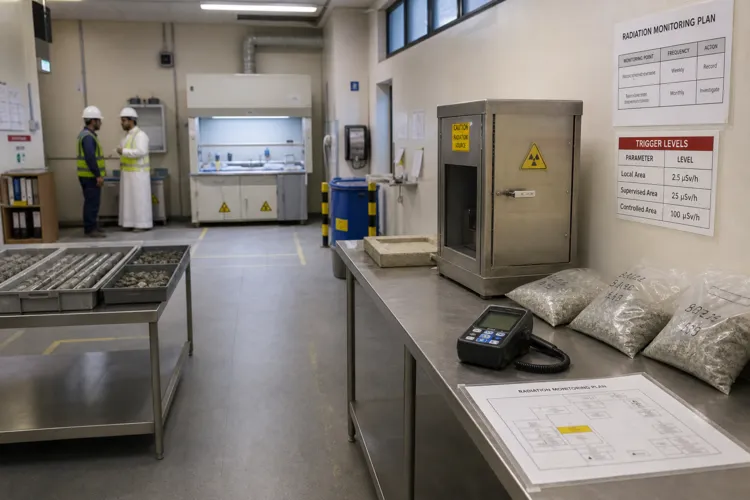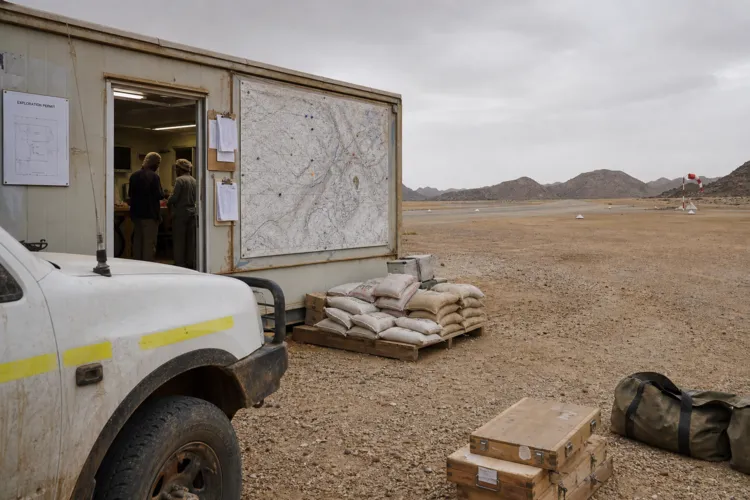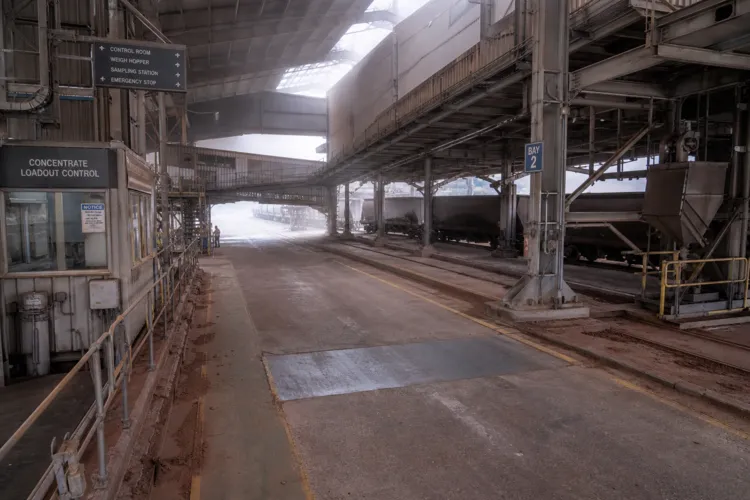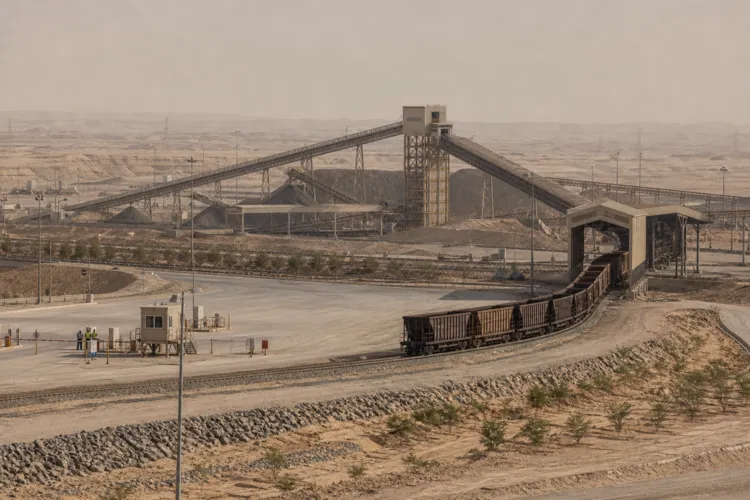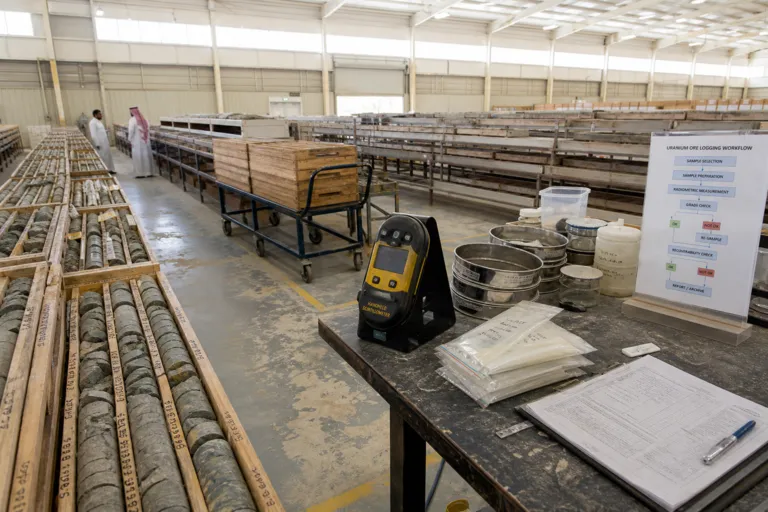
Saudi Arabia has disclosed an estimated 110 million tonnes of mineralised material that contains uranium alongside rare earth elements in the Madinah region. Energy Minister Prince Abdulaziz bin Salman announced the estimate at the International Atomic Energy Agency (IAEA) General Conference in Vienna, with multiple reports linking the work to the Jabal Sayid project. The announcement arrives as Riyadh positions mining as a bigger economic pillar and moves ahead with plans to introduce nuclear power into an energy system long dominated by oil and natural gas. Officials have framed the find as a possible domestic source of nuclear fuel, if commercial extraction proves viable.
The most important caveat is embedded in the way the discovery is described. The 110 million tonnes refers to uranium-bearing ore or mineralised rock, not pure uranium. Prince Abdulaziz did not disclose ore grade or contained uranium, and that missing detail matters for economics and timelines. OilPrice.com underlined that recoverable uranium depends on ore grade, geology, and extraction economics, while the IAEA cautions that identified uranium occurrences do not necessarily imply commercially recoverable resources. In other words, the Madinah uranium ore discovery is a significant exploration headline, but the step from occurrence to mineable resource remains uncertain until more technical data is released.
Why the Madinah Find Matters for Mining and Nuclear Strategy
Saudi statements place the Madinah find at the intersection of two priorities: scaling up mining and supporting a civilian nuclear program. The minister said exploration and geological studies revealed resources of around 110 million tonnes of ore with high concentrations of rare earth minerals, “especially the heavy elements,” alongside “promising” uranium concentrations. Arab News cited an analysis by the Center for Strategic and International Studies (CSIS) that, using estimates supplied by Saudi Arabia’s Ministry of Industry and Mineral Resources and by Ma’aden, described the site as believed to rank fourth globally. That same analysis cited about 552,000 tonnes of heavy rare earths, a further 355,000 tonnes of light rare earths, and a co-located uranium resource of roughly 31,000 tonnes.
Beyond geology, the policy backdrop is moving fast. In July, Saudi Arabia and the United States signed a civil nuclear cooperation agreement that the US Department of Energy said provides the legal foundation for a decades-long, multibillion-dollar partnership. MINING.COM also described it as a 30-year, multibillion-dollar agreement that gives US companies a central role in developing Saudi nuclear infrastructure, while noting the broader diplomatic and commercial momentum that month. Separately, Saudi Arabia is assessing uranium that could be recovered as a byproduct of fertilizer production tied to its phosphate industry. This matters because the Kingdom currently produces no uranium and historically has had no domestic uranium enrichment industry, according to the OECD Nuclear Energy Agency and the IAEA.
What happens next depends on whether exploration results translate into an economically recoverable supply chain that can support domestic fuel ambitions. Prince Abdulaziz stressed that Saudi nuclear ambitions are exclusively peaceful and would be pursued transparently in cooperation with the IAEA. If the ore can be developed commercially, it could reduce reliance on imported raw materials and potentially connect rare earth development with the longer-term goal of using Saudi minerals to help fuel future reactors. At the same time, the lack of disclosed uranium grades means it remains too early to judge commercial production prospects, even as the headline tonnage reshapes expectations for Saudi mining’s role under Vision 2030.
What did Saudi Arabia announce about the Madinah uranium ore discovery?
Does 110 million tonnes mean Saudi Arabia found 110 million tonnes of uranium?
Where is the reported deposit linked, and what else is known about the area?
What uranium and rare earth figures did the CSIS-cited analysis mention?
How does the find connect to Saudi Arabia’s civilian nuclear plans with the US?